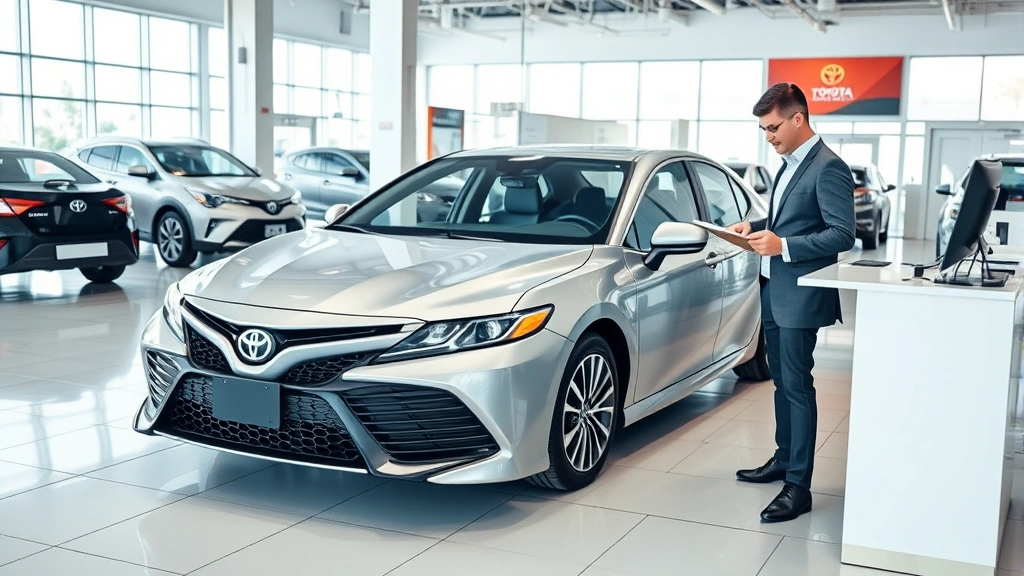
Where to Buy a Camry? Dealer Insights and Purchase Strategies
The Toyota Camry remains one of the most sought-after sedans in the automotive market, consistently ranking among the top-selling vehicles in North America. Whether you’re a first-time buyer or an experienced car purchaser, understanding where and how to buy a Camry can significantly impact your final price, financing terms, and overall ownership experience. This comprehensive guide explores the various channels available for purchasing a Camry, from traditional dealerships to online platforms, and provides insider insights from industry professionals.
The automotive retail landscape has transformed dramatically over the past decade. What was once exclusively dominated by brick-and-mortar dealerships now includes digital marketplaces, certified pre-owned programs, and hybrid purchasing models. Understanding these options helps buyers make informed decisions that align with their budget, timeline, and preferences. The Camry’s popularity means inventory is typically available across multiple channels, giving you flexibility in how you approach your purchase.

Understanding the Automotive Retail Landscape
The automotive industry operates differently from typical e-commerce sectors, though digital transformation is accelerating. Unlike purchasing items through traditional e-commerce platforms, vehicle purchases involve substantial financial commitments, regulatory compliance, and local market factors. Dealerships remain the primary retail channel, but their role is evolving as consumers increasingly research and configure purchases online before visiting showrooms.
According to Cox Automotive, a leading provider of automotive market data, over 85% of vehicle purchases still involve some dealership interaction, though the starting point has shifted dramatically online. Buyers now spend an average of 14+ hours researching vehicles before contacting a dealer, compared to just 5 hours a decade ago. This shift empowers consumers but requires understanding multiple sales channels and their respective advantages.
The Camry’s market position as a volume leader means dealerships maintain consistent inventory across regions. Toyota’s production capacity and distribution network ensure that buyers have options, creating competitive pressure that can benefit consumers through better pricing and service quality.
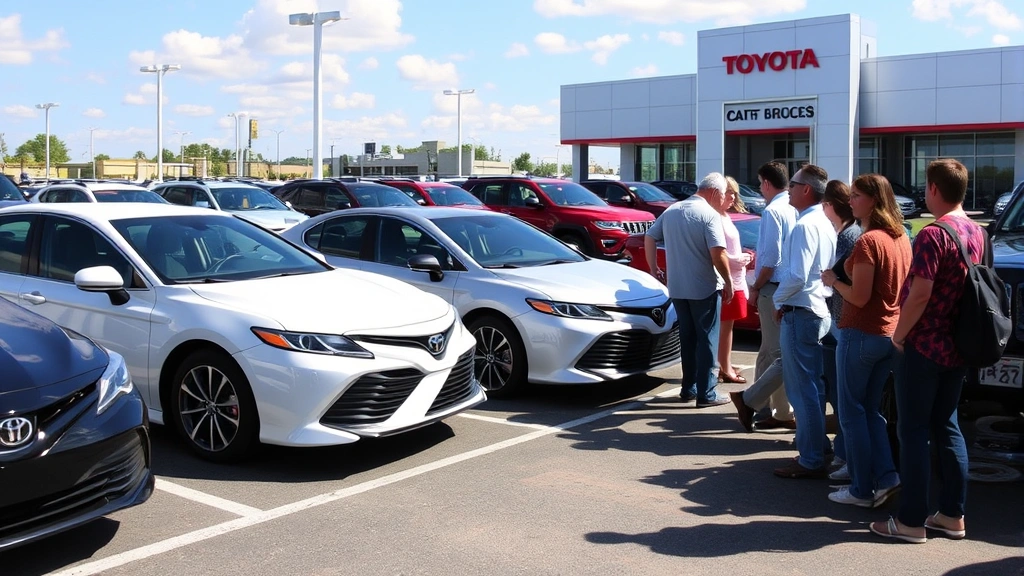
Traditional Dealership Purchases
Toyota dealerships remain the most common sales channel for automotive professionals and direct consumer transactions. These establishments offer several advantages that justify their continued dominance in vehicle retail. Dealerships provide immediate inventory access, manufacturer warranties, financing partnerships, and trade-in services all under one roof. For Camry purchases specifically, authorized Toyota dealers offer brand-specific expertise and access to factory incentives.
When visiting a dealership, buyers encounter several key advantages. First, you can inspect vehicles in person, test drive multiple configurations, and evaluate interior comfort and technology features. Second, dealerships handle paperwork and registration requirements, which vary significantly by state—knowledge that varies as much as understanding sales tax implications in different jurisdictions. Third, established dealerships typically offer service departments, extended warranties, and loyalty programs that enhance long-term ownership value.
The dealership experience has professionalized considerably. Many Toyota dealerships now offer appointment-based shopping, transparent pricing models, and online inventory systems that let you research specific vehicles before arrival. Some locations provide home delivery services, reducing the need for in-person visits entirely. Dealership sales staff training has improved substantially, with many sales professionals now certified in vehicle features, financing options, and customer relationship management.
However, traditional dealership purchases involve negotiation dynamics that can disadvantage unprepared buyers. Understanding dealer profit margins, incentive structures, and market pricing empowers you to negotiate effectively. Factory incentives on Camry models typically range from $500 to $3,000 depending on model year, trim level, and current market conditions.
Online and Digital Purchase Options
Digital automotive retail platforms have emerged as significant alternatives to traditional dealerships. Companies like Carvana, Vroom, and manufacturer-specific digital platforms now handle complete purchase transactions online, with vehicle delivery to your home. These platforms appeal to buyers seeking convenience, transparent pricing, and reduced negotiation pressure.
Manufacturer-backed digital initiatives, including Toyota’s own online purchasing tools, allow you to configure a Camry, compare pricing across dealerships, and initiate purchase conversations without visiting a showroom. This approach mirrors e-commerce platform functionality, bringing automotive retail closer to the frictionless online shopping experience consumers expect in other categories.
The digital Camry purchase process typically involves: browsing available inventory on multiple platforms, comparing pricing and features, applying for financing pre-approval, and scheduling delivery. Online retailers often provide home inspections, extended return windows (typically 7-30 days), and simplified paperwork processes. Pricing transparency represents a major advantage—digital platforms display total costs upfront, reducing surprise fees that plague traditional dealership transactions.
Data from Edmunds, a leading automotive information provider, indicates that online vehicle purchases now represent approximately 20% of the total market, growing at double-digit rates annually. Camry availability through digital channels is robust, given the model’s popularity and Toyota’s production volume.
Disadvantages of digital purchasing include inability to physically inspect vehicles before purchase, limited test drive opportunities, and potential delivery delays. However, most platforms offer return periods and satisfaction guarantees that mitigate these concerns. Financing through digital platforms may carry slightly higher interest rates than dealership financing, though transparent pricing often compensates through lower overall costs.
Certified Pre-Owned Programs
Certified Pre-Owned (CPO) Camry purchases represent an increasingly popular middle ground between new and used vehicle retail. Toyota’s CPO program provides warranty coverage, vehicle history transparency, and quality assurances that reduce risk compared to private party purchases. CPO Camrys typically cost 10-15% less than equivalent new models while offering nearly identical reliability profiles.
The CPO advantage stems from rigorous inspection protocols. Toyota’s CPO program includes 160-point inspections, reconditioning, and extended warranty coverage (typically 7 years/100,000 miles for powertrain components). This structure provides peace of mind comparable to new vehicle purchases at significantly lower price points. For budget-conscious buyers, CPO Camrys represent exceptional value, particularly for model years 3-5 years old with low mileage.
CPO inventory varies by dealership and region, but major Toyota dealerships typically maintain 15-30 certified pre-owned Camrys in stock. Digital platforms increasingly feature CPO vehicles, expanding selection beyond local dealership inventory. Cars.com and similar aggregators allow filtering specifically for CPO vehicles, simplifying comparison shopping across multiple dealerships.
Financing CPO vehicles often qualifies for manufacturer incentives comparable to new vehicle programs. Some dealerships offer special CPO financing rates (0-2% APR for well-qualified buyers) that rival new vehicle offers. Trade-in values for vehicles being replaced remain strong when trading up to CPO Camrys, improving overall transaction economics.
Private Party Sales and Alternatives
Private party Camry purchases through classified platforms like Craigslist, Facebook Marketplace, and specialized automotive sites offer potential savings of 15-25% compared to dealership pricing. However, these transactions require substantially more due diligence, including independent vehicle inspections, title verification, and negotiation without professional sales support.
Private sales present distinct advantages and risks. Pricing typically reflects true market value without dealer markup or profit margins. Sellers often provide detailed maintenance records and usage history. Transactions move quickly without financing contingencies or dealership bureaucracy. Conversely, you forfeit warranty protection, manufacturer incentives, and recourse if mechanical issues emerge post-purchase.
Safety considerations are paramount with private sales. Meet sellers in public locations, bring a trusted mechanic for pre-purchase inspections, and verify title ownership through state DMV databases. Budget $100-200 for independent mechanical inspections—this expense pays dividends by identifying hidden problems before purchase. Online classified platforms provide some buyer protection through escrow services and rating systems, though these protections remain inferior to dealership guarantees.
The private party market for Camrys remains robust due to the model’s reliability reputation and strong resale demand. However, Kelley Blue Book data indicates that private party Camry sales have declined slightly as digital dealership platforms offer competitive pricing with warranty protection, reducing the incentive for private transactions.
Financing and Payment Strategies
Financing represents a critical component of Camry purchases, influencing total ownership cost more significantly than purchase price alone. Traditional dealership financing, credit union loans, and bank financing each present distinct advantages depending on credit profile, down payment capacity, and loan term preferences.
Dealership financing offers convenience—completing the entire purchase transaction at one location. Toyota Financial Services, the manufacturer’s financing arm, provides competitive rates for well-qualified buyers and often includes manufacturer incentives unavailable through third-party lenders. Current Camry financing rates range from 3.9% to 8.9% APR depending on credit score, loan term, and down payment size.
Pre-approval through credit unions or banks before dealership visits provides negotiating leverage. Knowing your approved loan amount and interest rate prevents dealership financing departments from exploiting information asymmetries. Many credit unions offer rates 0.5-1.5% below dealership financing for members, translating to thousands in savings over loan terms.
Down payment strategy significantly impacts financing outcomes. Larger down payments (20%+ of purchase price) qualify for better interest rates and reduce monthly payments. However, market conditions sometimes make larger down payments economically inefficient if interest rates are low. Current market analysis suggests 10-15% down represents optimal balance between rate qualification and capital preservation.
Lease versus purchase decisions deserve consideration. Camry lease programs often feature low monthly payments ($299-399 for well-equipped models) with included maintenance and warranty coverage. Leasing suits drivers with predictable mileage patterns and preference for vehicle updates every 3 years. Purchase financing better serves high-mileage drivers and those valuing long-term ownership economics.
Negotiation Tactics and Price Research
Effective Camry negotiation requires understanding market pricing, dealer profit structures, and seasonal demand patterns. Armed with data from multiple sources, buyers can negotiate confidently and secure favorable terms.
Price research tools have democratized automotive information. Edmunds provides detailed pricing breakdowns including manufacturer’s suggested retail price (MSRP), dealer invoice costs, available incentives, and regional pricing variations. Comparing this data across multiple dealerships reveals pricing inconsistencies and negotiation opportunities. Camry pricing typically varies 3-8% between dealerships in the same metropolitan area, representing $1,500-3,000 negotiation range on average transaction prices.
Timing influences pricing substantially. End-of-month, quarter, and model year transitions create dealership pressure to move inventory, improving buyer negotiating positions. New model year releases typically trigger price reductions on previous year inventory. Seasonal demand—stronger in spring/summer, weaker in fall/winter—shifts negotiating leverage accordingly.
Negotiation strategy should separate price negotiation from financing discussions. Negotiate vehicle price first, then address financing terms separately. This approach prevents dealers from manipulating total cost through financing add-ons while appearing to offer lower prices. Request dealer invoice pricing and compare against third-party pricing data to validate quotes.
Trade-in negotiations deserve equal attention. Obtain independent trade-in valuations before dealership appraisals. Dealers frequently undervalue trade-ins to offset price concessions on new purchases. Separate trade-in and new purchase negotiations to prevent confusion and ensure fair valuation on both sides of the transaction.
Regional Considerations and Availability
Camry availability and pricing vary significantly by region due to local demand, transportation costs, and regional dealership market concentration. Understanding these factors helps identify the best purchasing locations and timing.
Urban markets with multiple Toyota dealerships typically feature more competitive pricing than rural areas with limited inventory and dealership options. Metropolitan areas like Los Angeles, New York, and Chicago show Camry pricing 2-5% lower than national averages due to dealership competition. Conversely, rural and small-town markets often command pricing premiums reflecting limited alternatives.
Regional preferences influence Camry trim and color availability. Hybrid models show stronger demand in environmentally-conscious regions (California, Pacific Northwest, Northeast) while conventional gasoline models dominate in other areas. Color preferences vary regionally—silver and white lead nationally, but regional preferences for blue, black, and red affect local inventory composition.
State-specific regulations impact purchase timing and pricing. Emissions standards in California and northeastern states influence vehicle availability and pricing. Vehicle registration requirements and documentation vary by state, affecting total purchase costs. Understanding your state’s specific requirements prevents surprise costs and documentation delays.
Shipping costs for vehicles purchased in distant markets offset price savings. Transporting a Camry across the country typically costs $1,200-2,000, eliminating pricing advantages from distant dealerships. Regional purchases within 300-500 miles remain economical; beyond that distance, local options typically prove more cost-effective.
FAQ
What’s the average Camry purchase price across different channels?
Average Camry pricing varies by model year and trim level. New Camry LE models average $27,500-29,000 MSRP, with actual transaction prices typically 5-12% below MSRP ($24,200-26,100). CPO Camrys (3-5 years old) average $18,500-22,000. Private party sales typically range $16,000-21,000 depending on mileage and condition. Used Camrys (10+ years old) average $8,000-12,000 in private party markets.
Should I buy a new or used Camry?
New Camrys offer warranty protection, latest technology, and factory incentives, justifying higher prices for buyers prioritizing reliability and features. Used or CPO Camrys provide superior value for budget-conscious buyers and those comfortable with slightly older model years. Consider your annual mileage, ownership timeline, and budget to determine optimal vehicle age.
What’s the best time to buy a Camry?
End of month, quarter, and model year transitions offer strongest negotiating leverage. New model year releases (typically August-September) trigger previous year inventory reductions. Fall and winter months show lower dealership traffic, improving negotiating positions. Avoid peak spring/summer seasons when dealership sales volume reduces negotiating leverage.
Can I negotiate better through online platforms or dealerships?
Online platforms offer transparent, fixed pricing that eliminates traditional negotiation but typically provides lower starting prices. Dealership negotiations can yield better outcomes if you’re skilled at negotiating but require more effort and market knowledge. Online platforms suit buyers preferring convenience and transparency; traditional dealerships benefit aggressive negotiators.
What warranty coverage comes with Camry purchases?
New Camrys include 3-year/36,000-mile basic warranty plus 5-year/60,000-mile powertrain warranty. CPO Camrys extend coverage to 7-year/100,000-mile powertrain warranties. Extended warranties (typically $1,500-3,000) add coverage up to 10 years/100,000 miles. Evaluate your ownership timeline and mileage expectations before purchasing extended warranties.
How do I verify a Camry’s history before purchasing?
Request CARFAX or AutoCheck reports before purchase. These reports reveal accident history, title status, service records, and ownership changes. Independent pre-purchase inspections by trusted mechanics provide mechanical condition assessments. Verify title ownership through state DMV databases. These steps prevent purchasing vehicles with hidden damage or title issues.


