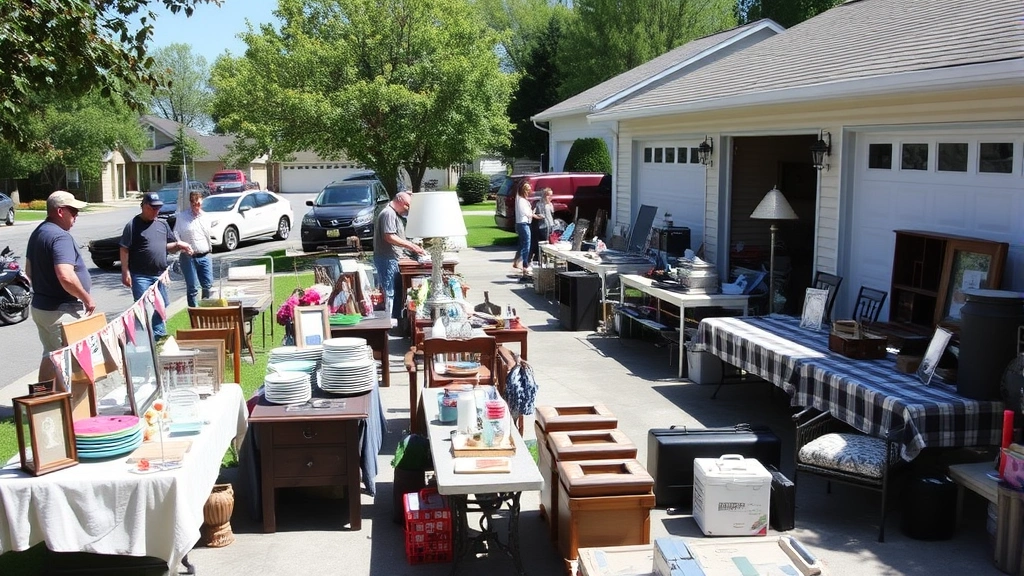
How to Host a Yard Sale: Pro Tips Inside
Hosting a successful yard sale requires more than just placing items on your lawn and hoping customers arrive. Whether you’re clearing out clutter, funding a project, or simply decluttering your home, a well-organized yard sale can generate significant income while serving your community. The difference between a mediocre yard sale and a thriving one often comes down to preparation, pricing strategy, and marketing—principles that align closely with fundamental B2B sales methodologies adapted for consumer retail.
This comprehensive guide walks you through every aspect of hosting a yard sale, from initial planning through post-event follow-up. You’ll discover professional strategies that transform your garage or yard into a bustling marketplace, attract serious buyers, and maximize your profits. Whether this is your first yard sale or your tenth, these actionable tips will help you achieve your financial goals while providing value to bargain hunters in your area.
The yard sale industry represents a significant portion of the secondary market economy, with Americans selling over $200 billion worth of used goods annually through various channels including garage and yard sales. Understanding how to position yourself within this marketplace effectively can mean the difference between clearing a few items and generating substantial revenue.
Planning Your Yard Sale Timeline
Successful yard sales don’t happen overnight. The planning phase typically requires 4-6 weeks of preparation to achieve optimal results. Beginning this early allows you to assess inventory, organize items, and build anticipation among potential buyers in your community.
Week 1-2: Assessment and Inventory
Start by conducting a thorough inventory of items you want to sell. Walk through your entire home, attic, basement, garage, and storage areas. Create a spreadsheet or document listing categories of items: furniture, electronics, clothing, books, kitchen items, toys, and décor. This organizational approach mirrors the inventory management practices used in professional e-commerce platform operations, ensuring nothing gets overlooked.
Be realistic about what will actually sell. High-quality items in good condition, popular brands, vintage pieces, and functional electronics attract buyers. Broken items, outdated fashion, and worn-out furniture typically don’t generate sufficient interest to justify shelf space.
Week 3-4: Cleaning and Categorization
Clean and prepare items for display. Wipe down furniture, test electronics, wash clothing, and organize books. Presentation significantly impacts perceived value—a clean item sells faster and at a higher price than an identical item in poor condition. Group similar items together for easier organization and customer browsing.
Week 5-6: Pricing and Marketing Preparation
Develop your pricing strategy and create marketing materials. Research comparable items on sites like eBay or Facebook Marketplace to establish competitive pricing. Design flyers, prepare online listings, and plan your promotional timeline.
Sorting and Pricing Items Strategically
Pricing represents one of the most critical factors determining your yard sale’s success. Price too high and items sit unsold; price too low and you leave money on the table. The strategic approach involves understanding market value while recognizing that yard sale customers expect discounts compared to retail pricing.
Pricing Guidelines by Category
- Furniture: Price at 20-40% of original retail value. A $300 sofa in good condition might sell for $60-90. Larger pieces generally command lower percentages due to buyer concerns about transportation and space.
- Electronics: Price at 30-50% of original retail value depending on age and condition. Newer models command higher percentages; older electronics may need deeper discounts.
- Clothing: Price at $0.50-$3 per item for regular wear, $3-8 for designer or specialty items. Brand recognition significantly impacts pricing power.
- Books: Price at $0.25-$1 for paperbacks, $1-3 for hardcovers. Specialized or collectible books may command premium prices.
- Toys and Games: Price at 25-40% of original retail value. Complete sets with all pieces sell better than incomplete items.
- Kitchen Items: Price at 20-30% of original retail value. Small appliances and gadgets typically range from $3-15.
Psychological Pricing Tactics
Use price points strategically. Items priced at $0.99, $1.99, or $4.99 appear more attractive than round numbers like $1, $2, or $5. This pricing psychology, borrowed from retail and e-commerce plugin strategies, encourages impulse purchases and increases transaction volume.
Consider bundle pricing for related items. Offering three books for $5 instead of $2 each encourages larger purchases. Similarly, pricing a complete bedroom set at a discount versus individual pieces often generates better results.
Creating an Effective Marketing Strategy
Marketing determines how many potential customers learn about your yard sale. Even the best selection of items won’t generate sales if people don’t know where to find you. A multi-channel marketing approach maximizes visibility and attracts diverse buyer segments.
Digital Marketing Channels
Facebook Marketplace and Craigslist remain the most effective digital platforms for yard sale promotion. Create detailed listings with multiple high-quality photos showing items from different angles. Include your address, date, time, and a brief description of major items available. Posts should go live 7-10 days before your sale to allow adequate time for discovery.
Nextdoor, a neighborhood-focused social platform, provides excellent reach within your local community. Residents actively use Nextdoor to find local services and items, making it ideal for yard sale promotion. Your post will reach neighbors within walking or short driving distance.
Traditional Marketing Methods
Don’t underestimate traditional marketing despite digital dominance. Printed flyers distributed in your neighborhood, posted at local community centers, coffee shops, and grocery stores still drive significant foot traffic. Include a simple map showing your location, making it easy for customers to find you.
Yard signs positioned at strategic locations—neighborhood entrances, busy intersections, and main roads—serve as directional guides for passing traffic. Large, bright signs with clear lettering and directional arrows maximize effectiveness. Position signs 3-5 days before your sale.
Timing Your Marketing Rollout
Begin digital marketing 7-10 days before your sale. Post flyers and yard signs 3-5 days prior. This staggered approach builds awareness gradually while keeping your sale top-of-mind as the event approaches. Research shows that multiple exposures to marketing messages increase attendance significantly compared to single-exposure campaigns.
Setting Up Your Sale Space
Physical layout directly impacts browsing experience and sales volume. A well-organized space encourages customers to spend more time and money, while a chaotic setup frustrates shoppers and reduces purchases. Professional merchandising principles apply equally to yard sales and retail environments.
Space Organization
Arrange items by category with clear signage. Designate separate areas for furniture, clothing, books, electronics, kitchen items, and miscellaneous goods. This organizational structure, similar to garage sales near me that attract consistent traffic, helps customers locate specific items quickly.
Create clear pathways through your sale space. Customers should be able to move freely without feeling cramped or blocked. Adequate spacing also reduces theft risk by maintaining visibility across your entire setup.
Display Best Practices
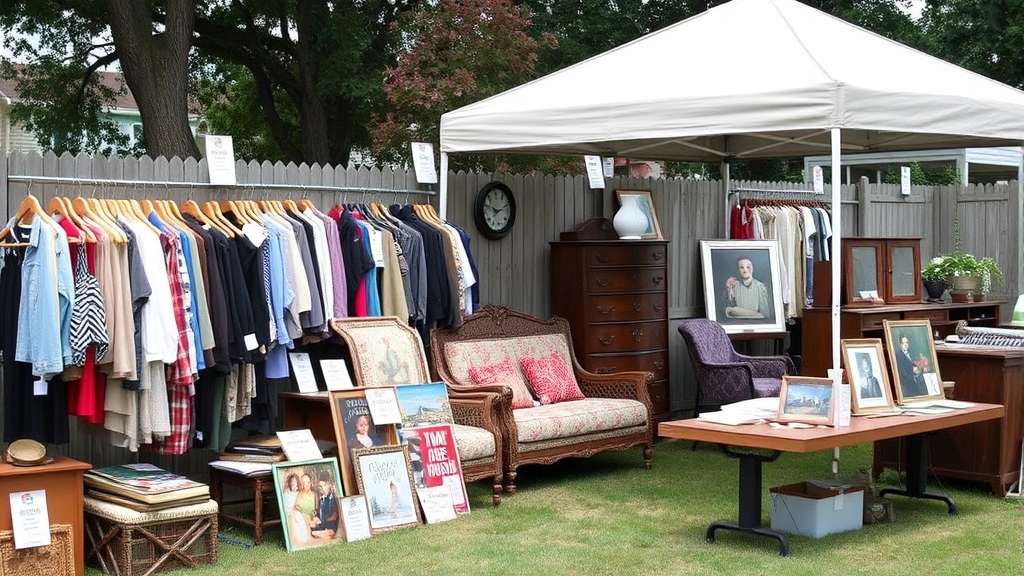
Display items at eye level when possible. Clothing racks, tables at varying heights, and wall space create visual interest and make browsing comfortable. Avoid stacking items too high, which makes selection difficult and appears disorganized.
Group complementary items together. Place lamps near furniture, kitchen utensils near small appliances, and matching dishware together. This cross-merchandising approach encourages bundle purchases and increases average transaction value.
Price every single item clearly. Use stickers, tags, or markers to mark prices visibly. Customers shouldn’t need to ask about pricing for most items. For higher-value items, clearly marked prices prevent awkward negotiations and reduce time spent per transaction.
Weather Protection
Set up tables and canopies to protect merchandise from weather and provide shade for customers. Weather significantly impacts yard sale success—rain or excessive heat reduces attendance and damages items. Canopies create a more professional appearance and encourage longer browsing sessions.
Managing Sales and Customer Service
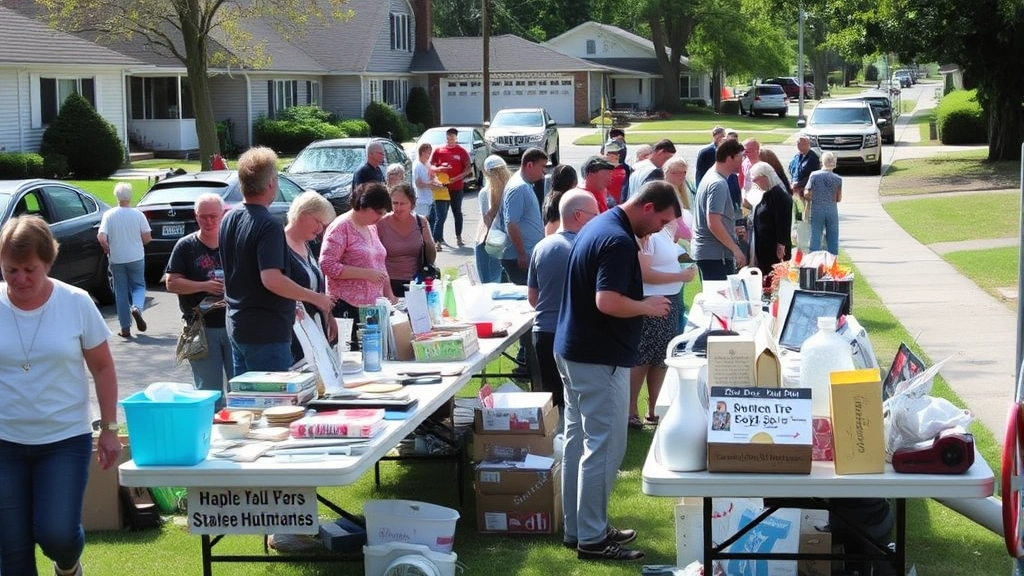
Excellent customer service during your yard sale directly impacts both immediate sales and potential repeat business if you decide to host future events. Professional customer interactions increase customer satisfaction and encourage larger purchases.
Payment Processing and Change Management
Bring adequate cash for making change. Customers often pay with bills larger than their purchase price. Have a well-organized cash box with multiple denominations: $100, $50, $20, $10, $5, and $1 bills, plus coins. Start with $150-200 in change to ensure smooth transactions throughout the day.
Consider accepting digital payments through services like PayPal or Square. Many younger buyers prefer contactless payments and may skip purchases if cash-only options exist. Digital payment acceptance expands your customer base and provides safer transaction records.
Negotiation Strategy
Expect negotiation, particularly for higher-priced items. Price items 10-15% above your minimum acceptable price to allow room for negotiation. This approach, common in retail and business for sale by owner transactions, creates psychological satisfaction when customers successfully negotiate.
For multiple purchases, offer discounts. “Buy three items and get 15% off” encourages customers to purchase more and increases your total transaction value. Bundle deals create win-win situations where customers feel they’ve obtained good value and you move more inventory.
Customer Service Excellence
Greet every customer warmly and offer assistance. Train any helpers to answer questions about item condition, functionality, and pricing. Knowledgeable staff creates confidence in your merchandise and reduces buyer’s remorse after purchase.
Demonstrate functionality for electronics and appliances. Test items before customers arrive so you can confidently show that everything works. Non-functional items should be clearly marked as such or removed from sale.
Maximizing Profits and Minimizing Losses
The ultimate goal of hosting a yard sale involves maximizing profit while minimizing unsold inventory. Strategic planning throughout the process directly impacts your bottom line and determines whether your yard sale achieves financial objectives.
End-of-Day Pricing Strategy
As closing time approaches, consider reducing prices on remaining items. Unsold inventory represents lost opportunity and requires storage space. Offering 50% discounts in the final hour often moves items that otherwise would remain unsold. The incremental revenue from discounted sales typically exceeds zero revenue from items you keep.
Donation Planning
Arrange pickup with charitable organizations for unsold items. Many nonprofits provide tax deductions for donations, which may offset your lost revenue. Contact organizations like Goodwill, Salvation Army, or local charities 1-2 weeks before your sale to schedule post-event pickup. This eliminates the burden of storing unsold items and provides tax benefits.
Expense Tracking
Track all yard sale expenses including supplies (tables, signs, price stickers), marketing costs (flyer printing), and refreshments. Knowing your total expenses helps you assess profitability accurately. Many yard sale hosts forget to account for supplies and overestimate actual profit.
Repeat Event Planning
If your yard sale succeeds financially, consider hosting quarterly or semi-annual events. Building a reputation as a reliable yard sale host attracts returning customers who know your quality standards. Over time, consistent hosting creates a sustainable income stream that requires minimal ongoing investment.
FAQ
What time should I start my yard sale?
Starting at 7:00 or 8:00 AM captures early-bird shoppers who actively hunt for yard sales. Early risers tend to be serious buyers with specific shopping lists. Most successful yard sales run from 7:00 AM to 2:00 PM, though this varies by region and season.
How do I prevent theft during my yard sale?
Maintain clear sightlines across your entire setup by positioning yourself strategically. Recruit helpers to monitor different sections. Avoid displaying extremely valuable items or cash prominently. Use a closed cash box rather than an open jar. Most yard sale theft involves small items, so focus on larger valuable pieces.
Should I offer delivery for large items?
Offering delivery for a reasonable fee ($20-50 depending on distance and item size) increases sales of furniture and large items. Many buyers lack transportation for bulky pieces but would purchase if delivery were available. Alternatively, clearly state that buyers are responsible for pickup and transportation.
What items should I avoid selling?
Avoid selling items that are broken, stained, or missing pieces unless clearly marked and deeply discounted. Don’t sell recalled items, items with missing safety equipment, or anything potentially hazardous. Avoid selling items you’re uncertain about—if you’re unsure of its value or condition, research before pricing.
How can I attract serious buyers instead of browsers?
Highlight high-value items in your marketing materials and online listings. Include specific details and photos of premium merchandise. Price items competitively to signal quality. Market to specific buyer segments—furniture enthusiasts, vintage collectors, book lovers—rather than generic promotion.
What weather conditions prevent yard sales?
Heavy rain significantly reduces attendance and damages merchandise. Extreme heat over 95°F makes shopping uncomfortable for customers. Snow or ice creates safety hazards. Light rain or overcast conditions don’t necessarily require cancellation if you have adequate canopy coverage. Check forecasts 3-5 days before your sale and have contingency plans.
Can I use my driveway instead of my yard?
Yes, driveways work well for yard sales, particularly in urban or suburban areas with limited yard space. Driveways provide natural traffic flow and create a contained shopping environment. Ensure items don’t block vehicle access and that customers can park safely nearby.
How much profit should I expect from a yard sale?
Average yard sales generate $200-500 in profit, with successful well-promoted events earning $500-1,500 or more. Profit depends on inventory quality, pricing strategy, marketing effectiveness, and customer traffic. High-value items like furniture and electronics significantly increase profitability compared to clothing and books alone.