Where to Find Used Tractors? Trusted Sources for Quality Equipment
Finding reliable used tractors for sale requires knowing where to look and what to evaluate. Whether you’re a farmer expanding your equipment fleet, a small business owner needing specialized machinery, or someone starting agricultural operations, purchasing used tractors can significantly reduce capital expenditure while maintaining operational efficiency. The used farm equipment market has evolved dramatically with digital marketplaces, specialized dealers, and auction platforms now competing alongside traditional local sources.
The agricultural equipment market generates over $150 billion annually in North America alone, with used equipment representing a substantial segment of this economy. Smart buyers understand that purchasing used tractors from verified sources protects their investment while accessing quality machinery at reasonable prices. This comprehensive guide explores trusted channels for finding used tractors, evaluating equipment condition, and making informed purchasing decisions.
Online Marketplaces for Used Tractors
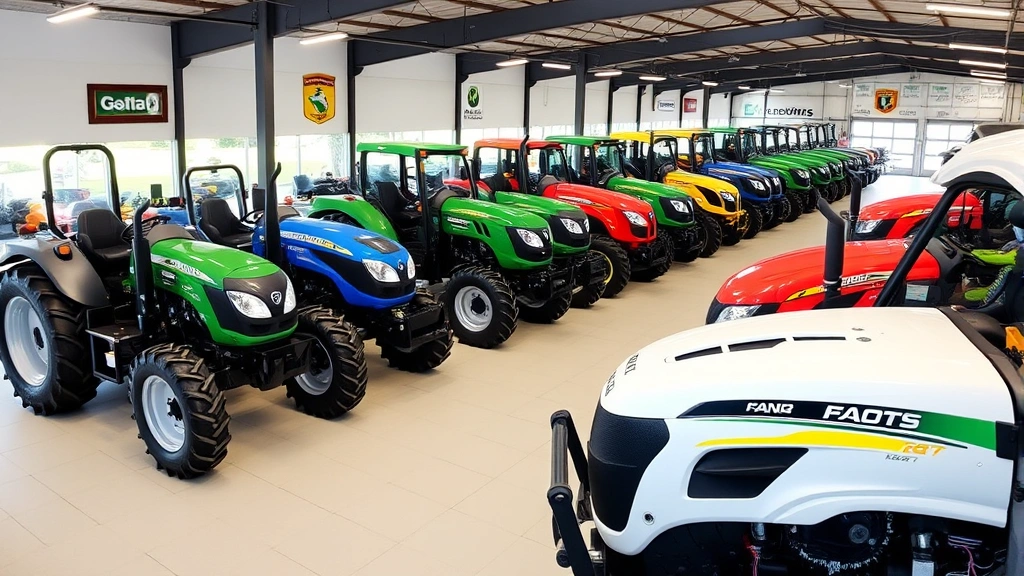
Digital platforms have revolutionized how buyers discover used tractors for sale across regional and national markets. Facebook Marketplace has emerged as a significant player in equipment sales, connecting local buyers directly with sellers and dealers. The platform’s geographic filtering and messaging system make it convenient for evaluating tractors within your area while negotiating directly with owners.
Craigslist remains a traditional yet effective resource for finding used farm equipment. The platform’s classified format allows detailed equipment descriptions, pricing information, and seller contact details. Many agricultural sellers prefer Craigslist for its established user base and straightforward interface. However, buyers should exercise caution regarding payment methods and seller verification when using this platform.
Equipment.com specializes exclusively in agricultural and construction machinery sales. The platform features extensive listings from dealers and private sellers, providing specifications, pricing history, and equipment certifications. This specialized approach ensures more serious buyers and vetted listings compared to general marketplaces.
eBay Motors includes an agricultural equipment section where certified dealers and private sellers list used tractors with detailed photos and auction or fixed-price options. The platform’s buyer protection policies and feedback system provide security for significant equipment purchases. Many dealers use eBay Motors to reach broader audiences beyond their immediate geographic regions.
Machinery Values, operated by the American Society of Agricultural and Biological Engineers, provides valuation data alongside marketplace listings. This resource helps buyers understand fair pricing for specific tractor models, years, and conditions, enabling more informed negotiation and purchase decisions.
Specialized Farm Equipment Dealers
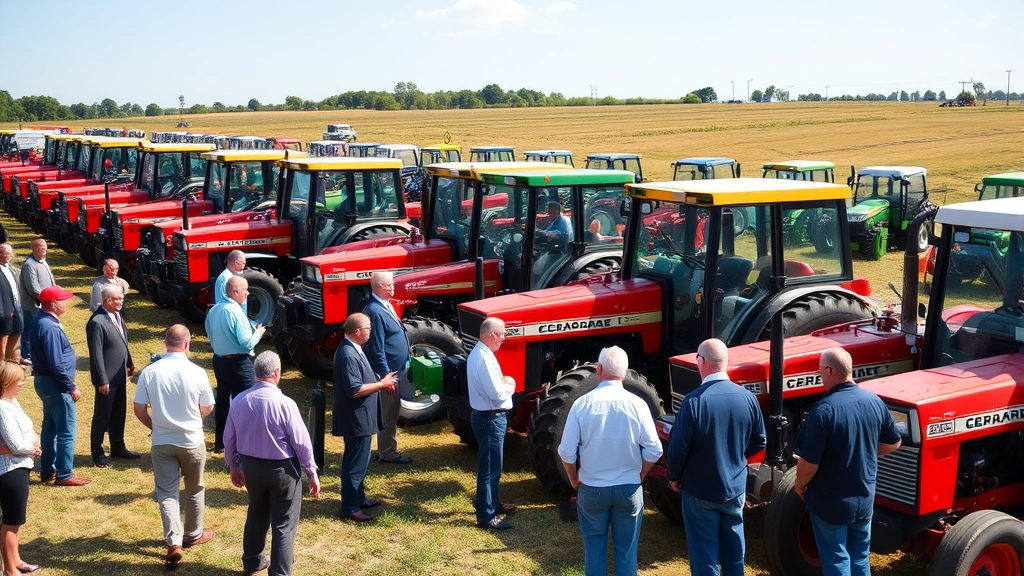
Authorized John Deere, Case IH, AGCO, and Kubota dealers maintain extensive used equipment inventories alongside new sales. These dealers offer several advantages: equipment inspection and reconditioning, warranty options, financing availability, and trade-in credit toward future purchases. Many dealers maintain e-commerce platforms showcasing their used inventory with detailed specifications and pricing.
Regional equipment dealership networks provide personalized service and local market knowledge. These businesses understand regional farming practices, climate conditions, and equipment needs specific to your area. Dealers often maintain relationships with farmers upgrading equipment, ensuring fresher inventory and better condition equipment than general marketplaces.
Used equipment specialists focus exclusively on pre-owned machinery, often offering reconditioning services and extended warranty options. These dealers typically provide transparent maintenance histories, previous owner information, and detailed condition reports. Their specialization in used equipment means staff expertise in evaluating equipment age, wear patterns, and remaining useful life.
Equipment rental companies frequently sell used machinery after completing rental cycles. These businesses maintain detailed maintenance records, perform regular servicing, and know equipment condition thoroughly. Rental fleet equipment often represents excellent value since it’s been professionally maintained and operated under controlled conditions.
When evaluating dealer options, verify business licensing, check Better Business Bureau ratings, and review online customer testimonials. Reputable dealers provide transparent pricing, comprehensive equipment documentation, and fair return policies protecting buyer interests.
Auction Platforms and Equipment Sales
Farm equipment auctions represent significant sourcing opportunities for used tractors. AuctionTime.com aggregates equipment auctions nationwide, allowing buyers to preview lots, place bids, and track auction results. The platform provides pre-auction estimates and historical selling prices, helping establish realistic bidding parameters.
Ritchie Bros. Auctioneers conducts massive equipment sales events throughout North America, featuring thousands of used tractors and farm machinery. Their online bidding platform enables remote participation, detailed equipment descriptions, and transparent pricing. Ritchie Bros. auctions attract professional buyers, dealers, and individual farmers seeking equipment at market rates.
Local farm auctions, often estate or liquidation sales, provide opportunities to find quality used tractors from retiring farmers or estate settlements. These auctions typically feature well-maintained equipment with documented histories. Attending preview days allows hands-on inspection and mechanical assessment before bidding.
Bankruptcy and fleet auctions offer discounted equipment from businesses liquidating assets. Government surplus auctions occasionally feature used agricultural equipment available at significant discounts. These auctions require careful inspection since equipment may have unknown maintenance histories or deferred repairs.
When participating in auctions, establish maximum bid amounts beforehand, account for buyer’s premiums and fees, arrange financing before bidding, and plan transportation logistics. Successful auction bidding requires discipline and realistic budget management to avoid overpaying during competitive bidding situations.
Local Sources and Community Networks
Farmers and agricultural professionals within your community represent valuable resources for locating quality used tractors. Attend local farm shows, agricultural cooperatives, and farming conferences where equipment owners and dealers congregate. These events provide networking opportunities and direct access to equipment owners considering sales.
Agricultural cooperative networks often maintain bulletin boards and notification systems for member equipment sales. Cooperatives may facilitate introductions between buyers and sellers, enabling private sales with trusted community members. This approach provides personal recommendations and transparent transaction handling.
Farm equipment rental and leasing businesses maintain customer networks and know which farmers plan equipment upgrades. Building relationships with local agricultural suppliers, mechanics, and agronomists provides insider knowledge about upcoming sales before equipment appears on public marketplaces.
Local newspapers and agricultural publications advertise used equipment sales. Regional farm publications maintain classified sections dedicated to equipment sales, attracting serious buyers within specific geographic areas. These traditional sources remain effective for reaching local farming communities.
Word-of-mouth networking through family, friends, and professional contacts has facilitated agricultural equipment transactions for generations. Personal referrals provide accountability, equipment history transparency, and opportunities to inspect equipment under real-world operating conditions.
Leverage local community sales networks and agricultural groups to expand your sourcing reach. These community connections often provide better pricing than commercial dealers while ensuring equipment authenticity and condition transparency.
Evaluating Used Tractor Condition
Successful used tractor purchasing requires systematic condition evaluation before committing to purchase. Request complete maintenance records documenting regular servicing, repairs, and component replacements. Detailed service histories indicate owner care quality and identify potential recurring issues requiring attention.
Inspect engine condition by checking oil color and viscosity, examining coolant clarity, and listening for unusual operating sounds. Request engine hour meter readings to verify actual usage—tractor age alone doesn’t indicate remaining useful life. Many tractors operate 1,500-2,000 hours annually; equipment with significantly lower hours may indicate lighter use and better condition.
Examine hydraulic systems for leaks, fluid condition, and hose integrity. Hydraulic repairs represent substantial expenses; deteriorating systems indicate imminent maintenance needs. Test all hydraulic functions including loader operation, three-point hitch engagement, and power steering responsiveness.
Assess tire condition, tread depth, and sidewall integrity. Tire replacement costs represent significant equipment expenses; worn tires may require immediate replacement. Check rim condition for damage or corrosion that might affect tire mounting and performance.
Inspect transmission operation by testing forward and reverse movement, gear shifting smoothness, and clutch engagement. Listen for grinding noises indicating gear damage. Request test driving opportunities to evaluate operational smoothness under realistic conditions.
Examine electrical systems including battery condition, alternator output, and starter functionality. Check lighting, instrumentation, and cab controls for proper operation. Electrical repairs often require specialized diagnostic equipment and expensive component replacement.
Consider hiring independent equipment inspectors for significant purchases. These professionals provide detailed condition assessments, identify hidden damage or deferred maintenance, and estimate repair costs. Inspection expenses typically range from $200-500 but protect investments worth thousands.
Negotiation Strategies and Pricing
Research fair market values using Machinery Values and NADA Guides agricultural equipment pricing databases. Understanding comparable equipment pricing in your region establishes realistic offer parameters and prevents overpaying for similar equipment.
Develop detailed inspection reports documenting condition issues, required repairs, and estimated maintenance costs. Use this information to justify lower offers, requesting sellers reduce prices to offset identified deficiencies. Professional inspection reports carry significant weight in price negotiations.
Bundle multiple purchases when possible, negotiating volume discounts with dealers or sellers. Buying complete equipment packages may yield better pricing than individual tractor purchases. This approach benefits both parties by simplifying transactions and reducing sales friction.
Understand online platform pricing dynamics and how digital marketplaces affect equipment valuation. Equipment listed across multiple platforms may have flexible pricing compared to exclusive dealer listings. Leverage competitive platform listings when negotiating with specific sellers.
Negotiate beyond purchase price by addressing warranty coverage, delivery, financing terms, and trade-in allowances. These variables significantly impact total acquisition costs and may provide flexibility when base pricing reaches seller limits. Creative deal structuring benefits both buyer and seller interests.
Time your purchases strategically—off-season equipment typically features better pricing than peak demand periods. Late fall and winter months often provide better tractor availability and pricing flexibility compared to spring planting season when demand intensifies.
Build relationships with dealers and sellers for repeat transactions. Establishing credibility and transaction history may unlock better pricing, priority inventory access, and favorable terms on future purchases. Long-term dealer relationships provide competitive advantages in equipment sourcing.
FAQ
What’s the best time to buy used tractors?
Off-season periods (late fall through winter) typically offer better pricing and selection. Farmers often sell equipment after harvest when cash flow improves but before spring planting season. Avoid peak season purchases when demand drives prices upward.
How many engine hours indicate tractor age?
Most tractors operate 1,500-2,000 hours annually under normal farming conditions. A tractor with 3,000 hours might be 2-3 years old; 6,000 hours suggests 3-4 years of use. However, usage intensity and maintenance quality matter more than raw hours. Well-maintained equipment with higher hours often outperforms neglected equipment with fewer hours.
Should I buy from dealers or private sellers?
Dealers provide warranty protection, financing options, and recourse if issues arise post-purchase. Private sellers often offer better pricing but less buyer protection. Your choice depends on risk tolerance, available capital, and desired warranty coverage. Dealers suit buyers prioritizing security; private sales benefit experienced buyers confident evaluating equipment.
What documents should I request before purchasing?
Request maintenance records, service history, original purchase documentation, warranty information, and title documentation. Ask for engine hour meter readings, previous owner contact information, and any outstanding liens or financing obligations. Complete documentation protects your interests and verifies equipment legitimacy.
How do I verify equipment hasn’t been stolen?
Check equipment serial numbers against national stolen equipment databases. Request seller identification and proof of ownership. Verify title documentation matches seller information. Many states require title transfers for equipment purchases—this process automatically verifies ownership legitimacy through government records.
What financing options exist for used tractor purchases?
Agricultural lenders, equipment finance companies, and dealer financing programs offer used equipment financing. Equipment-backed loans typically feature favorable interest rates compared to unsecured personal loans. Many dealers arrange financing directly, simplifying purchase transactions. Compare multiple lenders to secure competitive rates and favorable terms.
Can I negotiate prices on auction purchases?
Auction purchases typically feature fixed pricing once bidding concludes. However, preview periods allow inspections before committing to bids. Some auctioneers accept reserve bids or pre-auction offers. Direct dealer auctions sometimes permit negotiation outside formal bidding processes if auctions don’t meet reserve prices.
What warranty protection should I expect?
Dealer-sold equipment typically includes 30-90 day limited warranties covering mechanical defects. Private sales usually occur as-is without warranty protection. Some dealers offer extended warranty options for additional costs. Always clarify warranty terms, coverage scope, and duration before completing purchases.