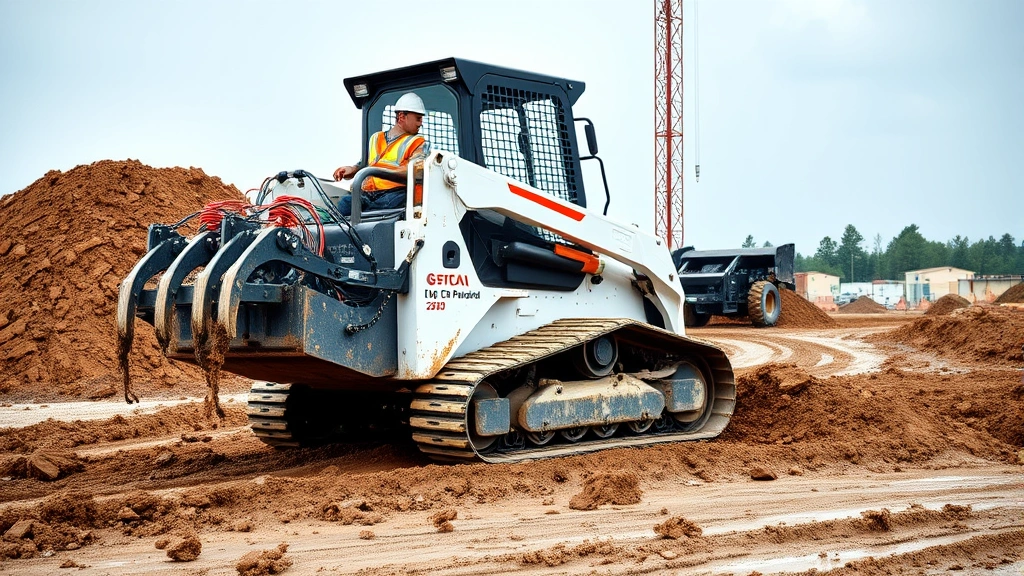
Best Track Skid Steers? 2023 Market Insights
The track skid steer market experienced significant growth in 2023, driven by increased demand from construction, landscaping, and agricultural sectors. These versatile machines have become essential equipment for contractors and business owners seeking efficient solutions for challenging terrain and tight spaces. Understanding the current market landscape helps buyers make informed decisions when evaluating track skid steers for sale and comparing manufacturers’ offerings.
Track skid steers represent a substantial investment for fleet operators and equipment dealers. The 2023 market revealed shifting preferences toward fuel efficiency, operator comfort, and advanced technology integration. This comprehensive guide examines market trends, top manufacturers, pricing strategies, and purchasing considerations that shaped the industry during this period.
Market Overview and Growth Trends
According to Grand View Research, the global skid steer loader market valued at approximately $4.2 billion in 2022 experienced growth momentum into 2023. The compact equipment sector benefited from infrastructure investment initiatives and increased construction activity across North America and Europe.
Several macro factors influenced the track skid steer market trajectory:
- Construction Industry Recovery: Post-pandemic construction activity accelerated, creating higher demand for specialized equipment
- Labor Shortage Solutions: Contractors increasingly relied on mechanized solutions to offset workforce limitations
- Technological Advancement: Integration of telematics, GPS, and autonomous features attracted equipment-savvy operators
- Environmental Regulations: Stricter emissions standards pushed manufacturers toward cleaner engine technologies
- Rental Market Expansion: Equipment rental platforms grew, making track skid steers accessible to smaller contractors
The 2023 market demonstrated that track skid steers outperformed wheeled alternatives in specific applications, particularly in muddy, sandy, and uneven terrain where ground pressure and traction proved critical. Contractors managing business operations in challenging environments increasingly prioritized track systems despite higher initial costs.
Top Manufacturers in 2023
The track skid steer market concentrated around several dominant manufacturers who controlled approximately 70% of market share. These industry leaders differentiated through innovation, dealer networks, and customer support infrastructure.
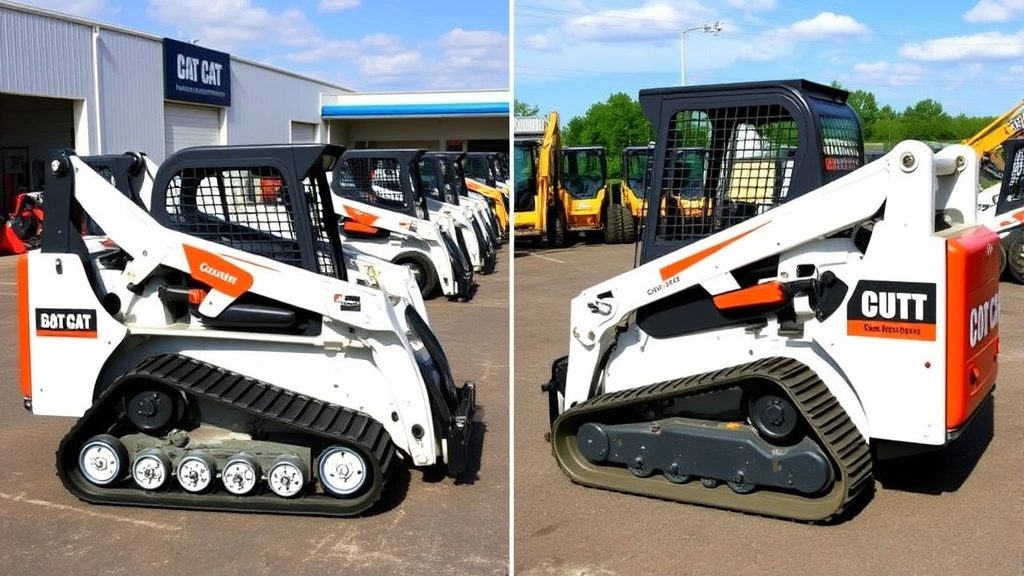
Bobcat Company maintained market leadership with their T-series track loaders, offering models ranging from the compact T450 to the heavy-duty T870. Their extensive dealer network across North America provided competitive advantages in parts availability and service support. Bobcat’s emphasis on operator comfort and cab technology resonated with professional contractors managing multiple machines.
Caterpillar (CAT) expanded their Skid Steer Loader lineup with track variants addressing diverse industry needs. Their integration with dealer networks specializing in B2B sales and commercial equipment strengthened market penetration. CAT’s reputation for durability attracted enterprise buyers managing large fleets.
JCB Loadall competed aggressively in the mid-range segment, offering competitive pricing and innovative features like the telescopic handler design. European manufacturers like JCB gained market share by targeting contractors seeking alternatives to American brands.
ASV (Posi-Track) specialized in high-horsepower track systems, attracting customers in demanding applications like forestry and heavy construction. Their focus on track technology differentiation created loyal customer segments willing to pay premium prices.
Kubota and Takeuchi captured significant market share in the compact and mid-size categories, offering reliable machines at accessible price points. These manufacturers particularly dominated the rental equipment segment where operators valued simplicity and maintenance efficiency.
Key Specifications and Features
Track skid steer specifications in 2023 reflected industry movement toward efficiency and operator-centric design. Successful models shared common technical characteristics that defined competitive positioning.
Engine Power and Efficiency: Leading models featured diesel engines ranging from 50 to 90 horsepower, with fuel consumption becoming increasingly important as diesel prices remained elevated. Manufacturers implemented advanced fuel injection systems and engine management software reducing consumption by 10-15% compared to 2021 models.
Operating Weight: Track skid steers ranged from 5,000 pounds (compact models) to 14,000 pounds (heavy-duty variants). This weight range determined ground pressure characteristics and ground contact area, critical factors for sensitive applications like landscaping and sports field maintenance.
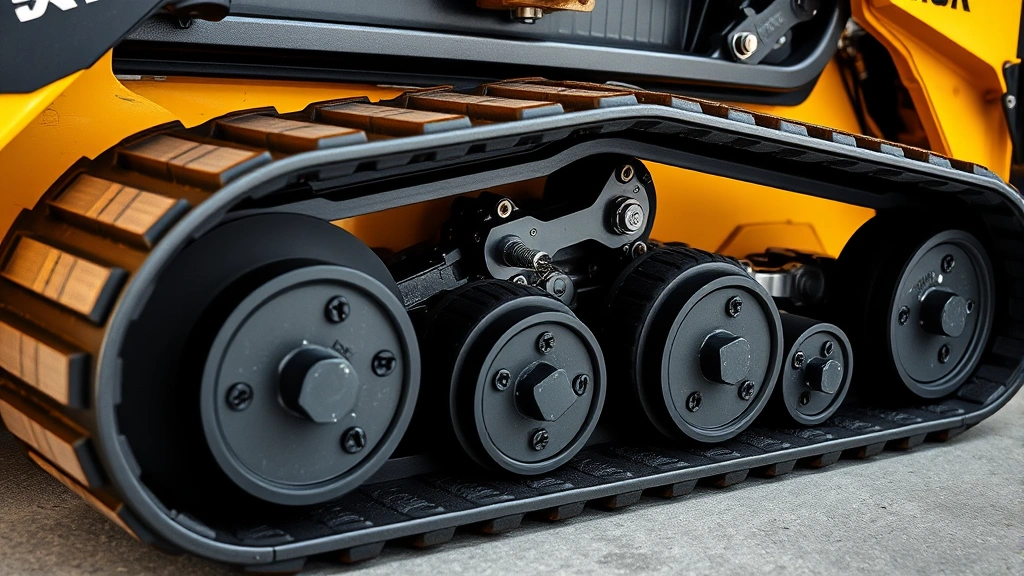
Track Design Evolution: 2023 saw advancement in track materials and design patterns. Rubber track technology matured, offering improved durability and reduced ground damage compared to steel alternatives. Enhanced lugs and track compounds extended service life by 20-30% in abrasive applications.
Hydraulic Systems: Auxiliary hydraulic circuits expanded, enabling operators to power multiple attachments simultaneously. Flow rates increased to 25-35 gallons per minute, supporting larger equipment like augers, mulchers, and specialized implements.
Cab Technology: Premium models incorporated air conditioning, heated seats, and ergonomic controls. Advanced displays provided real-time diagnostics, fuel consumption monitoring, and maintenance alerts. Some manufacturers introduced optional telematics systems enabling remote fleet monitoring.
Attachment Compatibility: Standardized quick-coupler systems (ISO 5679) became industry standard, allowing operators to interchange implements rapidly. This versatility increased machine utilization and justified capital investment across diverse job sites.
Load Capacity: Rated operating capacity ranged from 1,500 to 3,500 pounds, with lift heights varying from 8 to 14 feet depending on model class. Stability and load sensing systems prevented tip-overs and optimized hydraulic pressure automatically.
Pricing Analysis and Market Segments
Track skid steer pricing in 2023 reflected inflationary pressures, supply chain normalization, and competitive segmentation. Understanding price tiers helped buyers align equipment selection with operational budgets and ROI projections.
Compact Segment ($35,000-$55,000): Entry-level track skid steers targeting small contractors, landscapers, and rental fleets. Models like Kubota SVL-75 and Takeuchi TL8 dominated this category, offering reliability and simplicity. Rental companies preferred these models for operational flexibility and predictable maintenance costs.
Mid-Range Segment ($55,000-$85,000): The largest market segment serving professional contractors requiring versatility and power. Bobcat T550 and CAT 239D represented this category, balancing capability with operational efficiency. Buyers in this segment valued dealer support and resale value.
Premium Segment ($85,000-$130,000+): Heavy-duty models appealing to specialized operators in forestry, demolition, and large-scale construction. ASV RT-120 and Bobcat T870 commanded premium pricing justified by power, durability, and advanced features. Enterprise buyers managing large fleets negotiated volume discounts in this segment.
Pricing dynamics shifted throughout 2023 as manufacturers addressed supply constraints from previous years. Used equipment markets became more transparent through Machinery Values and similar pricing databases, enabling more informed purchasing decisions. Depreciation rates stabilized at 8-12% annually, making equipment ownership more predictable for fleet managers.
Dealership markups varied significantly by region and model popularity, ranging from 15-25% above manufacturer costs. Promotional incentives increased in Q4 2023 as manufacturers pursued year-end sales targets, creating buying opportunities for strategic purchasers.
Comprehensive Buying Guide
Selecting appropriate track skid steers requires evaluating operational requirements, financial constraints, and long-term business objectives. Successful purchases aligned equipment specifications with specific job site demands.
Application Assessment: Begin by analyzing primary work tasks and environmental conditions. Landscaping operations benefit from lighter tracks minimizing ground disturbance, while demolition and forestry demand heavy-duty systems handling rocky and uneven terrain. Mixed-use contractors often justified purchasing multiple models optimizing each application.
Terrain Evaluation: Ground conditions dramatically influence track system selection. Wet clay and muddy terrain requires wider tracks distributing weight across greater surface area, reducing ground pressure and improving traction. Sandy applications benefit from aggressive tread patterns, while paved surfaces prefer minimal lugs reducing noise and wear.
Attachment Requirements: Inventory planned attachments and verify compatibility with candidate machines. Multi-function hydraulic systems supporting 25+ gallons per minute enable simultaneous operation of primary and auxiliary functions. Ensure quick-coupler standards match planned attachment inventory, avoiding expensive retrofitting.
Operator Considerations: Assess operator experience and comfort requirements. Experienced equipment operators value advanced controls and high-visibility cabs, justifying premium pricing. Training requirements and operator fatigue in extended shifts influence long-term productivity and safety outcomes.
Total Cost of Ownership (TCO): Extend financial analysis beyond purchase price, incorporating fuel consumption, maintenance intervals, tire/track replacement, and operator wages. Premium machines often justify higher acquisition costs through improved efficiency and reduced downtime. Calculate TCO over 5-10 year ownership periods for accurate comparison.
Dealer Network Evaluation: Proximity to authorized dealers significantly impacts ownership experience. Evaluate dealer inventory, service capacity, parts availability, and customer support reputation. Regional dealership concentration varies substantially, making location critical for equipment support and resale value.
Financing Considerations: Explore equipment financing through manufacturers, specialized equipment lenders, or traditional banks. Equipment-specific lenders often provide favorable terms, though rates fluctuated significantly in 2023 as interest rate environments shifted. Consider business finance platforms offering equipment leasing alternatives.
Resale Value Protection: Purchase models with strong secondary markets and established brand recognition. Bobcat, CAT, and Kubota maintained 60-70% residual value after five years, while less established brands depreciated faster. Maintenance documentation and service records directly impact resale pricing.
Warranty and Service Agreements: Evaluate manufacturer warranty coverage, typically spanning 12-24 months with optional extended protection. Extended service agreements covering preventive maintenance and repairs provide budget predictability and reduce unexpected downtime costs.
Financing and Leasing Options
Equipment financing structures evolved in 2023, offering contractors diverse pathways to acquire track skid steers matching cash flow capabilities and business objectives.
Equipment Finance Leasing: Operating leases transferred equipment ownership to financing companies, reducing upfront capital requirements. Monthly payments typically ranged from 3-5% of equipment value, including maintenance and insurance. Leasing benefited contractors with seasonal operations or uncertain long-term needs, though total lease costs exceeded purchase financing over extended periods.
Manufacturer Financing Programs: Bobcat, CAT, and other major manufacturers offered competitive financing through captive finance subsidiaries. These programs frequently featured promotional rates during product launches and seasonal promotional periods, with qualified buyers securing rates 1-2% below traditional lenders.
Equipment Loans: Banks and specialized equipment lenders provided secured loans against machinery collateral. Loan terms typically extended 5-7 years with interest rates reflecting creditworthiness and economic conditions. Equipment-specific lenders maintained greater flexibility than traditional banks regarding cash flow documentation.
Business Purchase Programs: Contractors operating established business operations accessed equipment financing through comprehensive small business lending platforms. These programs often bundled equipment purchases with working capital, simplifying cash management and operational planning.
Rental-to-Own Programs: Emerging in 2023, rental-to-own structures allowed operators to rent equipment with option to purchase after specified periods. This approach suited contractors testing equipment compatibility before committing capital, though total costs exceeded direct purchase when rent credits applied to purchase price.
Used Equipment Financing: Lenders increasingly financed used track skid steers, enabling budget-conscious buyers to access equipment at reduced capital requirements. Used equipment financing typically required 20-30% down payments compared to 10-15% for new purchases, reflecting higher risk profiles.
Frequently Asked Questions
What is the typical lifespan of a track skid steer?
Well-maintained track skid steers operate 5,000-8,000 hours over 10-15 years depending on application intensity and maintenance adherence. Heavy-use applications experience shorter economic lives, while moderate-use equipment extends operational viability. Regular servicing, track maintenance, and component replacement extend machine longevity substantially.
How much do track skid steers cost in 2023?
Pricing ranged from $35,000 for compact models to $130,000+ for premium heavy-duty variants. Mid-range professional-grade machines typically cost $55,000-$85,000. Regional variations, dealer markups, and promotional incentives created pricing flexibility, with savvy buyers negotiating 10-15% discounts during off-peak seasons.
Are track skid steers better than wheeled alternatives?
Track systems provide superior traction, ground pressure distribution, and terrain capability in muddy, sandy, and uneven conditions. Wheeled systems offer faster travel speeds and lower ground damage on hard surfaces. Application-specific evaluation determines optimal choice; many contractors maintain both types for operational flexibility.
What attachments work with track skid steers?
Standardized ISO 5679 quick-couplers enable compatibility with hundreds of attachments including buckets, forks, augers, mulchers, grapples, and specialized implements. Verify auxiliary hydraulic capacity and flow rates match attachment requirements before purchase. Multi-function control systems enable simultaneous operation of multiple attachments.
How do I calculate total cost of ownership?
Extend financial analysis across 5-10 year periods incorporating purchase price, fuel consumption, maintenance intervals, track replacement (typically $2,000-$5,000), tire costs, insurance, storage, and operator wages. Divide total costs by productive hours to determine hourly equipment costs, enabling accurate job costing and profitability analysis.
What fuel economy should I expect?
Modern track skid steers consume 0.8-1.2 gallons per operating hour depending on load intensity and engine efficiency. Advanced fuel injection systems and engine management improved consumption by 10-15% in 2023 models. Operating costs at $3-$4 per gallon translated to $2.40-$4.80 hourly fuel expenses depending on model and utilization intensity.
Which manufacturer has the best resale value?
Bobcat, CAT, and Kubota maintained strongest resale markets with 60-70% residual value after five years. These brands’ extensive dealer networks and parts availability supported secondary markets. Niche manufacturers experienced faster depreciation, though specialized capabilities commanded premium pricing in targeted segments.
Should I buy new or used equipment?
New equipment offers manufacturer warranties, latest technology, and optimal reliability, justifying premium pricing for contractors seeking operational certainty. Used equipment provides cost savings of 30-50%, though maintenance risks increase. Established brands with documented service histories minimize used equipment risks; certified pre-owned programs through dealers provide additional security.
What maintenance costs should I budget?
Annual maintenance typically costs 8-12% of equipment value for new machines, increasing to 15-20% for used equipment approaching end-of-life. Preventive maintenance schedules including oil changes, filter replacement, and hydraulic servicing cost $1,500-$3,000 annually. Track replacement every 2,000-3,000 hours represents major expense, typically $2,000-$5,000 depending on track type and terrain.
How do I sell my used track skid steer?
Establish market value using Machinery Values and regional dealer pricing. Prepare comprehensive service documentation and maintenance records demonstrating equipment care. List equipment through authorized dealers, online marketplaces like Equipment Trader, or direct sales to contractors. Well-maintained equipment with documented history commands 5-10% premiums versus similar machines lacking service records.
IMAGE_2
IMAGE_3