
Find Townhouses for Sale Near Me: Expert Tips for Smart Buyers
The townhouse market has experienced significant growth over the past five years, with NAR data showing consistent demand among first-time homebuyers and downsizers alike. Finding the right townhouse near you requires a strategic approach that combines online research, local market knowledge, and professional guidance. This comprehensive guide will help you navigate the townhouse buying process with confidence and clarity.
Townhouses offer a unique middle ground between single-family homes and condominiums, providing more affordable entry points into homeownership while maintaining greater autonomy than apartment-style living. Whether you’re searching for townhouses for sale near me in urban centers, suburban communities, or emerging neighborhoods, understanding the market dynamics and search strategies will significantly impact your success.
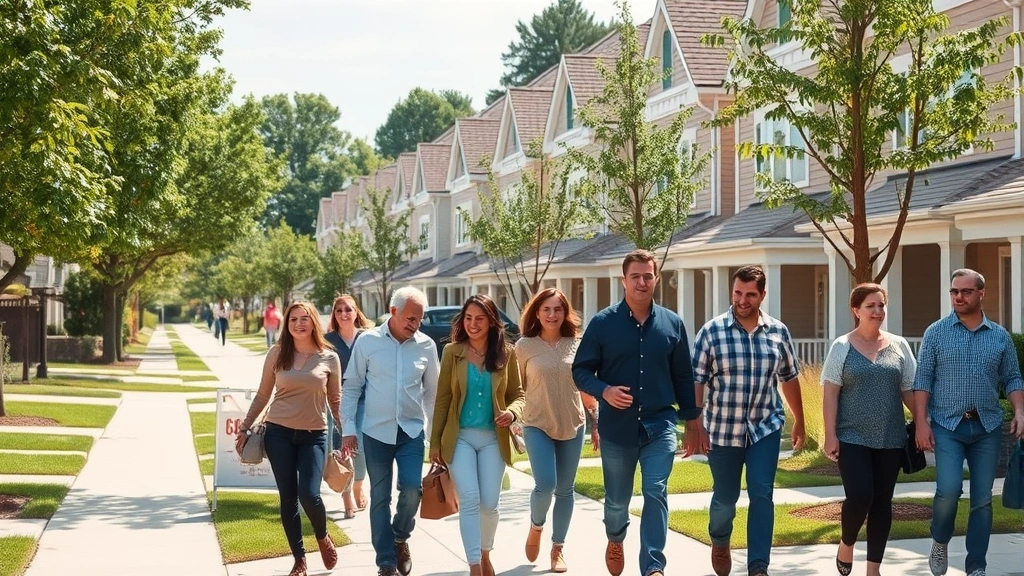
Understanding the Townhouse Market
Before you begin searching for townhouses for sale in your area, it’s essential to understand what distinguishes townhouses from other property types. Townhouses are typically multi-story residential properties with shared walls on one or both sides, individual entrances, and often include private outdoor spaces. Unlike condominiums, townhouse owners usually maintain their own roofs and exterior structures, providing greater control over property modifications.
The townhouse market has shown resilience across various economic cycles. According to Zillow’s housing research, townhouse prices have appreciated steadily, with particular strength in metropolitan areas where land constraints make them economically attractive. Understanding current market conditions in your specific region helps you identify whether it’s a buyer’s or seller’s market, influencing your negotiation strategy and offer structure.
Market trends indicate that millennials and Gen X homebuyers favor townhouses for their lower maintenance requirements compared to single-family homes and greater privacy compared to apartments. This demographic shift has created competitive markets in desirable neighborhoods, making thorough research and quick decision-making critical success factors.

Online Search Platforms and Tools
The digital landscape offers numerous resources for finding townhouses for sale near you. Primary real estate listing platforms like Zillow, Redfin, and Realtor.com provide comprehensive databases with advanced filtering options. These platforms allow you to search by location, price range, number of bedrooms, square footage, and specific amenities that matter to your household.
Zillow’s search filters for townhouses enable you to view virtual tours, neighborhood information, and recent sales data for comparable properties. Redfin distinguishes itself through its real-time listing updates and agent-led video tours, providing transparency that helps you make informed preliminary assessments before scheduling in-person viewings.
Facebook Marketplace has emerged as an alternative channel where some sellers list properties directly, occasionally offering opportunities to negotiate without traditional real estate commissions. However, exercise caution and verify credentials when dealing with private sellers.
Google Maps and neighborhood-specific websites provide valuable contextual information about areas where townhouses are listed. You can identify proximity to schools, public transportation, shopping centers, and parks—factors that significantly influence property value and daily quality of life. Create saved searches on multiple platforms to receive automated alerts when new listings matching your criteria become available.
Consider using Walk Score and similar neighborhood analysis tools to evaluate walkability, transit accessibility, and bike-friendliness of potential locations. These metrics have become increasingly important to modern homebuyers and directly impact property desirability and long-term appreciation potential.
Working with Real Estate Professionals
Engaging a qualified real estate agent significantly enhances your townhouse search experience and outcomes. Professional agents maintain access to Multiple Listing Services (MLS) databases that include all listed properties in your area, often before they appear on public websites. This early access advantage can be crucial in competitive markets where desirable properties receive multiple offers within days of listing.
When selecting a real estate agent, prioritize those with specific experience in townhouse transactions within your target neighborhoods. Ask about their recent sales, client testimonials, and market knowledge. A good agent understands local zoning regulations, HOA requirements, and neighborhood-specific factors that affect townhouse values and desirability.
Your agent serves multiple critical functions: identifying suitable properties, scheduling viewings, researching comparable sales data, preparing competitive offers, and negotiating on your behalf. In most markets, buyer’s agents are compensated through seller-paid commissions, meaning you typically don’t pay directly for their services. This arrangement aligns your agent’s interests with yours—they benefit when you successfully purchase a property.
Real estate professionals can also explain financing options, connect you with mortgage lenders, and recommend inspectors and title companies. Their expertise in navigating the closing process and identifying potential issues protects your interests throughout the transaction.
Evaluating Neighborhoods and Locations
Location represents one of the three fundamental principles of real estate value, alongside condition and property characteristics. When evaluating townhouses for sale near you, thoroughly assess the surrounding neighborhood’s current condition and future trajectory. Visit potential neighborhoods at different times of day and days of the week to get a complete sense of community character, noise levels, and pedestrian activity.
Research crime statistics through local police department websites and crime mapping services. While no neighborhood is entirely crime-free, understanding specific safety patterns helps you make informed decisions. Neighborhoods with declining crime rates present better investment potential than those experiencing increases, even if current rates remain elevated.
School quality significantly impacts property values and appeal, even for buyers without children. Check school ratings on GreatSchools.org and research district performance metrics. Properties in highly-rated school districts command premium prices and maintain stronger appreciation potential. Similarly, proximity to employment centers, shopping, dining, and entertainment venues adds convenience value that influences both purchase price and resale potential.
Evaluate planned development in the area by reviewing municipal planning department websites. Upcoming infrastructure improvements like transit expansion or commercial development can enhance property values, while large commercial projects or industrial zoning changes might negatively impact residential desirability. Understanding the neighborhood’s development trajectory helps you assess whether your investment will appreciate or face headwinds.
Financial Preparation and Budgeting
Before actively searching for townhouses, establish your financial parameters and secure mortgage pre-approval. Pre-approval demonstrates to sellers that you’re a serious buyer with verified financing, significantly strengthening your offers in competitive markets. Work with mortgage lenders to understand your purchasing power based on income, debt levels, credit score, and down payment availability.
Townhouse ownership involves costs beyond mortgage payments. Research typical HOA fees in your target neighborhoods, as these fees vary dramatically based on amenities and maintenance requirements. Some townhouse communities include landscaping, exterior maintenance, and amenities like pools or fitness centers, while others charge minimal fees for basic governance. Factor these recurring costs into your monthly housing budget to ensure affordability.
Property taxes, homeowners insurance, and potential mortgage insurance (if putting down less than 20 percent) must be included in your total cost calculations. Use online mortgage calculators to model different scenarios, varying down payment amounts, interest rates, and loan terms. This analysis helps you understand how different purchase prices impact your monthly obligations.
Reserve funds for closing costs, typically ranging from 2-5 percent of the purchase price, plus immediate post-purchase expenses like inspections, appraisals, and title insurance. Unexpected repairs discovered during inspection can require additional capital, so maintaining financial flexibility throughout the buying process is prudent.
Making Competitive Offers
In markets where demand exceeds supply, your offer strategy determines success. Work closely with your agent to research comparable sales—recent townhouse sales in the same neighborhood with similar characteristics. This analysis establishes a realistic offer price that balances competitiveness with financial prudence.
Beyond price, your offer structure includes important terms that make you an attractive buyer. Offering a substantial earnest money deposit demonstrates commitment and reduces seller risk. Including a reasonable inspection contingency protects you while remaining competitive—overly restrictive contingencies may deter sellers in favor of less conditional offers.
Consider your closing timeline flexibility. If you can close quickly or accommodate the seller’s preferred timeline, this becomes a valuable negotiating point. Sellers often prefer certainty about closing dates, making flexibility a competitive advantage. Clear, professional communication through your agent establishes credibility and helps sellers view your offer favorably even if the price is slightly lower than competing bids.
In multiple-offer situations, limit contingencies where possible while protecting your interests. Some buyers waive inspection contingencies in hot markets, though this approach carries significant risk. A middle ground involves offering a short inspection period and demonstrating strong financing, signaling serious intent without exposing yourself to purchasing properties requiring substantial repairs.
Inspection and Due Diligence
After an offer is accepted, professional home inspection becomes your primary protection mechanism. Hire a licensed inspector to thoroughly evaluate the townhouse’s structural integrity, mechanical systems, roofing, plumbing, electrical, and HVAC components. Townhouses require special attention to shared wall conditions and any signs of water intrusion, as problems can originate from neighboring units.
Review the inspection report carefully and identify items requiring repair or replacement. Work with your agent to prioritize issues—distinguishing between cosmetic concerns and functional deficiencies affecting safety or value. Request seller repairs for significant items or negotiate credits toward closing costs or purchase price reductions.
Beyond the standard home inspection, obtain a professional pest inspection to identify termites, carpenter ants, or other structural threats. Review HOA documentation thoroughly, including financial statements, meeting minutes, reserve fund studies, and architectural guidelines. This due diligence reveals potential special assessments that could dramatically increase your future ownership costs.
Order a professional appraisal to confirm the property value supports your financing. If the appraisal comes in below your offer price, you’ll need to renegotiate or increase your down payment to maintain the agreed-upon financing. Title searches and insurance protect against ownership disputes or liens affecting the property.
Verify property tax assessments and review any pending tax increases or special assessments in the community. Research flood zone designation and obtain flood insurance quotes if necessary. These final verification steps ensure you understand all financial obligations and potential risks before closing.
FAQ
What’s the difference between a townhouse and a condo?
Townhouses typically feature individual exterior walls, separate roofs, and private outdoor spaces, with owners responsible for exterior maintenance. Condos are usually single-story units in multi-unit buildings where the association maintains exteriors. Townhouses offer more autonomy but require greater maintenance responsibility.
How long does the townhouse buying process typically take?
From initial search to closing generally takes 30-45 days, though this varies based on inspection needs, appraisal timelines, and lender requirements. In competitive markets, finding a suitable property and negotiating an acceptable offer may extend the timeline. Working with experienced professionals accelerates the process.
Are townhouses good investments?
Townhouses can be excellent investments in appreciating neighborhoods with strong demand. Their lower entry price compared to single-family homes appeals to investors seeking rental properties or first-time homebuyers building equity. Market conditions, location, and property condition determine specific investment viability.
What should I look for in HOA documentation?
Review financial reserves, special assessment history, monthly fee trends, architectural restrictions, and amenities included. Large reserve funds indicate responsible management, while frequent special assessments suggest deferred maintenance or governance issues. Read restrictions carefully to ensure they align with your lifestyle preferences.
Can I negotiate after the inspection?
Yes, inspection results often trigger renegotiation. You can request repairs, price reductions, or credits toward closing costs. Sellers may refuse, accept your terms, or counter with alternative solutions. This negotiation phase requires flexibility and clear communication through your agent.
How important is location when buying a townhouse?
Location is critically important, influencing property value, appreciation potential, quality of life, and resale prospects. Excellent townhouses in declining neighborhoods appreciate slowly, while modest townhouses in vibrant, appreciating areas build wealth more effectively. Prioritize location alongside property condition.


