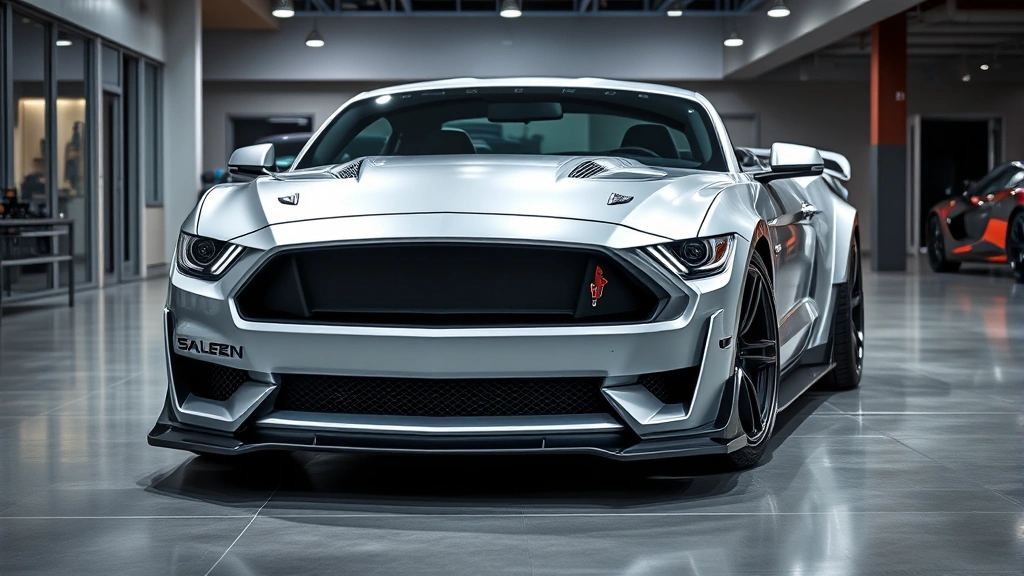
The Saleen Mustang represents one of the most intriguing segments in the high-performance automotive market. As a modified variant of Ford’s iconic muscle car, Saleen Mustangs command premium prices that often exceed standard Mustang values by significant margins. For collectors, enthusiasts, and investors considering this specialty vehicle, understanding whether the investment justifies the cost requires comprehensive analysis of performance metrics, market dynamics, historical appreciation, and practical ownership considerations.
The Saleen brand carries substantial weight in automotive circles, known for engineering excellence and exclusive production runs. However, the question of value extends beyond raw performance specifications. This guide examines whether purchasing a Saleen Mustang represents a sound investment or luxury spending that may not deliver proportional returns, drawing on market data, collector insights, and financial analysis to help prospective buyers make informed decisions.
Understanding Saleen Mustang Heritage and Value Proposition
Saleen Autosport has built its reputation over three decades as a premier modifier of American performance vehicles, particularly Mustangs. The company’s involvement in racing and street vehicle enhancement has created a distinctive brand identity that appeals to collectors seeking exclusivity beyond factory specifications. Each Saleen Mustang undergoes extensive modification, including engine tuning, chassis enhancements, aerodynamic updates, and interior refinements.
The value proposition centers on exclusivity and performance enhancement. Unlike high ticket sales in traditional commerce sectors, automotive collectibles operate within distinct valuation frameworks. Saleen produces limited quantities annually, creating scarcity that supports pricing premiums. A standard Mustang becomes a Saleen through comprehensive engineering work that transforms driving dynamics and aesthetic presentation.
Historical context matters significantly. Saleen Mustangs from the 1980s and 1990s have appreciated considerably, with some models doubling in value over two decades. However, more recent models show less dramatic appreciation patterns, suggesting market saturation and changing collector preferences. The brand’s prestige remains substantial, but contemporary pricing reflects current market conditions rather than guaranteed future appreciation.

Performance Specifications and Engineering Advantages
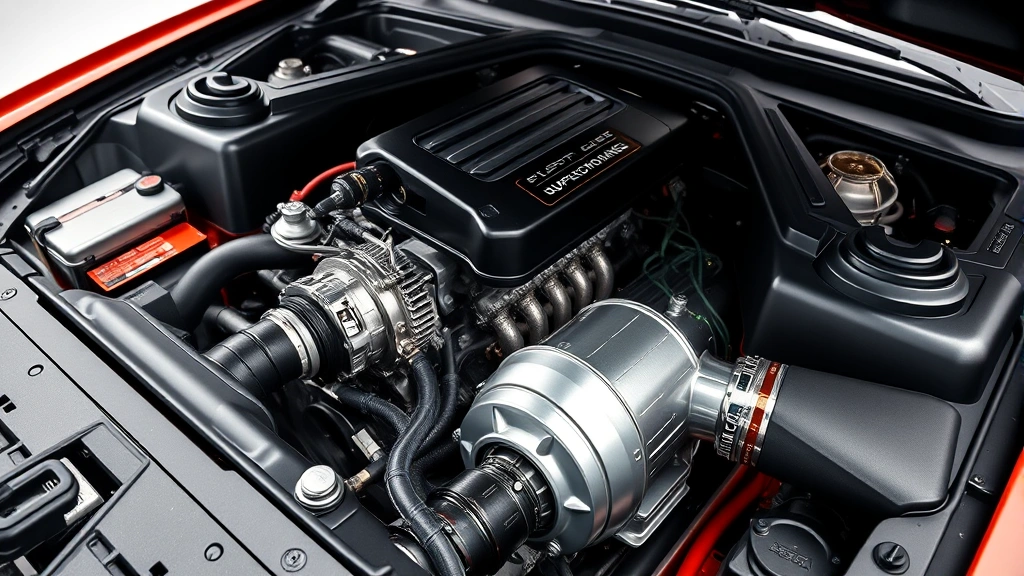
Modern Saleen Mustangs typically feature horsepower increases ranging from 50 to 150 additional horses, depending on the generation and modification package selected. For example, contemporary models might upgrade from 480 horsepower to 630 horsepower through supercharger installation, precision engine tuning, and exhaust system modifications. Acceleration times improve correspondingly, with zero-to-sixty times dropping from approximately 3.8 seconds to under 3.2 seconds.
Beyond raw horsepower, Saleen engineers suspension systems for improved handling characteristics. Upgraded spring rates, damper tuning, and anti-roll bar modifications enhance cornering performance and driver feedback. Braking systems receive attention through larger rotors and performance-grade friction materials, ensuring stopping power matches acceleration capabilities. These comprehensive modifications create vehicles that perform measurably better than stock Mustangs across multiple performance dimensions.
However, performance advantages come with tradeoffs. Increased engine output reduces component lifespan, particularly transmission durability under sustained performance driving. Upgraded suspension systems may compromise ride comfort on daily commutes. More aggressive tuning can affect fuel economy, reliability, and warranty coverage. Prospective buyers must honestly assess whether performance gains align with intended usage patterns.
Market Pricing and Investment Potential
Current Saleen Mustang pricing typically ranges from $80,000 to $150,000 for contemporary models, representing approximately 40-60% premiums over comparable stock Mustangs. This pricing differential reflects modification costs, exclusivity, brand prestige, and market demand among collectors. Automotive market analysis indicates that specialty vehicles like Saleen Mustangs occupy distinct market segments with different appreciation dynamics than mass-market vehicles.
Investment potential depends heavily on generation, mileage, maintenance history, and market trends. First-generation Saleen Mustangs from the 1980s have demonstrated strong appreciation, with examples selling for $100,000-$200,000 at specialty auctions. Conversely, 2010-2014 generation models show more modest appreciation, with many examples trading near original purchase prices after accounting for inflation. This generational variance suggests that investment thesis depends on acquiring older, rarer examples rather than current production vehicles.
The muscle car market demonstrates cyclical patterns influenced by economic conditions, interest rates, and collector preferences. During strong economic periods, specialty vehicle prices appreciate. Conversely, economic downturns pressure valuations as collectors liquidate assets. Buyers seeking investment returns should consider broader market conditions rather than assuming steady appreciation.
Ownership Costs and Maintenance Considerations
Beyond purchase price, Saleen Mustang ownership involves substantial ongoing expenses. Insurance premiums for modified performance vehicles typically exceed standard Mustang coverage by 30-50%, reflecting higher replacement costs and perceived risk. Specialty insurance providers understand modified vehicle valuations, but quotes vary significantly based on driving record, usage patterns, and coverage selections.
Maintenance costs escalate with performance modifications. Supercharged engines require more frequent oil changes using synthetic formulations. Brake system upgrades demand premium friction materials and more frequent service. Suspension components wearing faster due to stiffer setup specifications. Tire replacement becomes more expensive with high-performance compounds specified for optimal handling. Annual maintenance on a Saleen Mustang might reasonably cost $2,000-$4,000, compared to $1,000-$1,500 for stock Mustangs.
Fuel consumption increases measurably with modified engines. While EPA ratings for stock Mustangs show 16-17 mpg combined, Saleen variants often achieve 12-14 mpg under typical driving conditions. For owners covering 12,000 annual miles at $3.50 per gallon, this difference represents approximately $1,200 additional annual fuel expense. Storage and insurance considerations apply particularly to collectors who drive seasonally, adding further ownership complexity.
Comparing Saleen to Competitor Performance Vehicles
The performance vehicle market offers numerous alternatives at similar price points. Dodge Challenger Hellcats provide comparable horsepower (707 hp) at lower base prices, though without Saleen’s exclusivity. Chevrolet Corvettes deliver superb performance-per-dollar value with mid-engine layouts and track-focused engineering. Porsche 911 variants offer European prestige and advanced technology at comparable pricing. BMW M440i and Mercedes-AMG C63 provide luxury features with strong performance credentials.
When evaluating alternative investment vehicles, Saleen Mustangs compete on brand heritage, American muscle car authenticity, and exclusive production numbers rather than objective performance metrics. A Challenger Hellcat delivers faster acceleration at lower cost, but lacks Saleen’s engineering pedigree and collector appeal. This distinction matters significantly for investment thesis development—buyers seeking pure performance value find better options, while collectors prioritizing exclusivity and brand heritage find Saleen compelling.
The specialty automotive market demonstrates that brand prestige and exclusivity command pricing premiums independent of performance specifications. Collector car market reports show that vehicles with strong brand heritage, limited production numbers, and documented provenance appreciate faster than mass-market alternatives. Saleen Mustangs benefit from these dynamics, though recent model appreciation lags historical performance.
Resale Value and Long-Term Appreciation
Resale value analysis reveals important patterns about Saleen Mustang investments. Vehicles from the 1980s and early 1990s appreciate consistently, with many examples doubling in value over 20-30 year periods. These older models benefit from rarity, historical significance, and growing collector interest in early Saleen examples. However, 2000-2010 generation models show more modest appreciation, often selling for 10-20% less than original purchase prices when adjusted for inflation.
Contemporary Saleen Mustangs face uncertain appreciation prospects. Current production vehicles compete in a crowded specialty vehicle market with numerous alternatives. Depreciation patterns suggest that new Saleen Mustangs lose 15-25% of purchase value during the first three years, similar to other specialty vehicles. Long-term appreciation depends on factors outside owner control: manufacturer brand reputation, collector demand evolution, and market conditions affecting discretionary spending.
Documentation and maintenance history substantially influence resale value. Saleen Mustangs with complete service records, original receipts, and low mileage command premiums of 10-20% over examples lacking documentation. Conversely, vehicles showing modifications beyond Saleen specifications, accident history, or deferred maintenance face significant valuation discounts. Buyers considering future resale should maintain meticulous records and resist aftermarket modifications that deviate from factory Saleen specifications.
Who Should Buy a Saleen Mustang
Saleen Mustang ownership makes sense for specific buyer profiles rather than general consumers. Collectors with established automotive portfolios seeking exclusivity and brand heritage find compelling value. Enthusiasts who drive performance vehicles frequently appreciate engineering enhancements and track-capable dynamics. Individuals with substantial discretionary income viewing the purchase as lifestyle expression rather than investment vehicle find satisfaction in ownership.
Conversely, buyers should reconsider Saleen Mustang purchases under certain circumstances. First-time performance vehicle owners might better serve themselves with more affordable alternatives to develop driving skills. Budget-conscious buyers seeking maximum performance value find better options in base-model Challengers or Corvettes. Investors seeking guaranteed appreciation should examine alternative asset classes or focus on older, rarer Saleen examples rather than contemporary production vehicles.
The B2B sales market for specialty vehicles demonstrates that business applications differ from personal ownership considerations. Fleet operators, rental companies, and driving experience providers rarely justify Saleen Mustang purchases due to high acquisition and maintenance costs. These vehicles serve niche markets focused on personal passion and lifestyle rather than commercial utility.
Practical ownership considerations deserve emphasis. Saleen Mustangs require competent maintenance from technicians experienced with modified vehicles. Parts availability, while generally good for Mustang platforms, becomes more specialized for Saleen-specific components. Storage, insurance, and seasonal usage patterns should align with ownership plans. Buyers with limited garage space, high annual mileage requirements, or need for reliability should carefully weigh whether Saleen Mustangs match practical requirements.
Geographic considerations influence ownership satisfaction. Owners in climates supporting year-round driving enjoy greater utility from performance vehicles. Conversely, owners in regions with harsh winters or extreme conditions may find limited driving seasons, reducing value realization. Access to quality roads supporting performance driving matters significantly—owners in urban environments with congestion face limited opportunities to utilize engineering enhancements.
FAQ
How much does a Saleen Mustang cost?
Contemporary Saleen Mustangs typically range from $80,000 to $150,000, representing 40-60% premiums over comparable stock Mustangs. Pricing varies based on generation, mileage, specification level, and market conditions. Older examples from the 1980s and 1990s command significantly higher prices due to rarity and collector demand.
Do Saleen Mustangs hold their value?
Value retention depends heavily on generation and market conditions. Early Saleen Mustangs (1980s-1990s) appreciate consistently, with many doubling in value over decades. Contemporary models show more modest appreciation, often depreciating 15-25% during initial ownership periods. Long-term appreciation prospects remain uncertain for current production vehicles.
Are Saleen Mustangs reliable?
Saleen Mustangs demonstrate good reliability when maintained properly by qualified technicians. However, increased engine output stresses components more than stock specifications, potentially reducing lifespan. Supercharged engines require quality fuel, synthetic oil, and meticulous maintenance to ensure durability. Owners should budget accordingly for higher maintenance costs and component replacement intervals.
What’s the difference between a Saleen Mustang and a stock Mustang?
Saleen Mustangs receive comprehensive engineering modifications including supercharger installation, engine tuning, suspension upgrades, brake system enhancements, and aerodynamic refinements. These modifications increase horsepower by 50-150 horses, improve handling dynamics, and enhance visual presentation. Stock Mustangs lack these enhancements but offer lower acquisition costs and reduced maintenance requirements.
Should I buy a Saleen Mustang as an investment?
Investment thesis depends on acquisition strategy and time horizon. Older, rarer examples demonstrate solid appreciation potential, making them suitable for collectors. Contemporary production vehicles show uncertain appreciation prospects, making them better suited for enthusiasts seeking performance and exclusivity rather than investment returns. Buyers should honestly assess whether purchase motivations align with lifestyle expression or financial returns.
What are the insurance costs for a Saleen Mustang?
Insurance premiums typically exceed standard Mustang coverage by 30-50%, reflecting higher replacement costs and perceived risk. Specialty insurance providers familiar with modified vehicles offer competitive rates, but quotes vary significantly based on driving record, age, location, and coverage selections. Obtaining insurance quotes before purchase ensures understanding of true ownership costs.
Can I modify a Saleen Mustang further?
Yes, additional modifications are possible, though deviating from factory Saleen specifications can negatively impact resale value and warranty coverage. Buyers considering future modifications should consult with qualified technicians about compatibility and preservation of original Saleen engineering. Maintaining original specifications typically supports better resale prospects.
What maintenance does a Saleen Mustang require?
Saleen Mustangs require more frequent maintenance than stock vehicles due to increased performance demands. Synthetic oil changes occur every 5,000-7,500 miles, brake fluid replacement becomes more frequent, suspension components need periodic inspection, and tire replacement happens more often. Annual maintenance typically costs $2,000-$4,000 compared to $1,000-$1,500 for stock Mustangs.