Where to Buy Rubies? A Gemologist’s Comprehensive Buying Guide
Rubies represent one of the world’s most coveted precious gemstones, commanding premium prices in the global luxury market. Whether you’re seeking investment-grade stones, heirloom pieces, or stunning jewelry, understanding where and how to purchase authentic rubies is essential for making informed decisions. This guide draws from gemological expertise to help you navigate the ruby market with confidence and secure genuine stones at fair prices.
The ruby market has evolved significantly in recent years, with buyers now having access to diverse purchasing channels ranging from traditional brick-and-mortar jewelers to online platforms and direct gemstone dealers. Each channel offers distinct advantages and considerations, requiring buyers to understand quality metrics, authentication processes, and pricing structures before committing to a purchase.
Understanding Ruby Quality and Value
Before identifying where to buy rubies for sale, you must understand the fundamental quality factors that determine pricing and authenticity. The Gemological Institute of America (GIA) establishes the industry standard for ruby grading, utilizing the four Cs: color, clarity, cut, and carat weight.
Color represents the most critical factor in ruby valuation. The most desirable rubies display a vivid, pure red hue often described as “pigeon’s blood” red—a term originating from Myanmar’s finest stones. Rubies with secondary orange or purple undertones command significantly lower prices than those exhibiting pure red coloration. Treatment and origin also influence color perception and market value substantially.
Clarity in rubies differs from diamond grading standards. Most natural rubies contain visible inclusions, and completely inclusion-free stones are exceptionally rare and expensive. Gemologists evaluate whether inclusions affect transparency and brilliance rather than applying strict clarity grades. Some inclusions, such as silk-like rutile needles, can actually enhance value by creating the desirable asterism effect (star ruby phenomenon).
Cut quality affects how light travels through the stone, influencing brilliance and color saturation. Well-cut rubies maximize color depth while minimizing dark zones. Precision cutting requires expertise, as rubies’ crystalline structure makes them challenging to cut compared to diamonds.
Carat weight increases exponentially in value. A 5-carat ruby costs substantially more per carat than a 1-carat stone of equivalent quality, as larger fine rubies are rarer. This pricing structure differs from many other gemstones and represents a crucial consideration for investment buyers.
Certified Gemstone Dealers and Laboratories
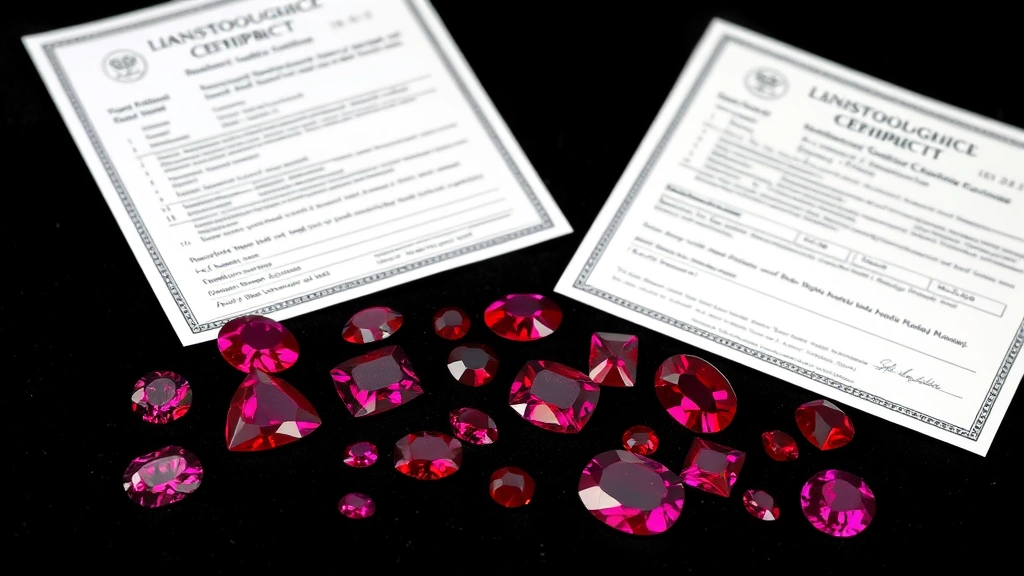
Purchasing rubies from certified dealers affiliated with recognized gemological laboratories provides the highest assurance of authenticity and quality. The Gemological Institute of America (GIA), American Gem Society (AGS), and International Gemological Institute (IGI) offer rigorous certification processes that document a ruby’s characteristics and treatments.
When working with certified dealers, request documentation that includes treatment disclosures. Heat treatment—the most common ruby enhancement—is considered acceptable by the industry when properly disclosed. However, glass-filled, diffusion-treated, or lead-glass-filled rubies command significantly lower prices and require explicit disclosure. Understanding these distinctions prevents overpaying for treated stones marketed as natural rubies.
Many established gemstone dealers operate both retail locations and online platforms, allowing buyers to examine stones in person before purchasing or access detailed photography and documentation for remote transactions. These dealers typically offer guarantees, return policies, and authentication certificates with each purchase. The investment in purchasing from certified sources protects against counterfeit stones and misrepresented quality grades.
Professional gemstone dealers often specialize in specific ruby origins, such as Burmese, Thai, or Sri Lankan stones, and can provide expertise regarding geographic sourcing’s impact on value. Some dealers focus exclusively on investment-grade rubies, while others maintain diverse inventory serving jewelry designers and collectors.
Online Ruby Marketplaces
The digital revolution has democratized ruby purchasing, enabling buyers to access global inventory from their homes. Established online gemstone marketplaces like Etsy, eBay, and specialized platforms connect individual sellers with international buyers. However, online purchases require heightened diligence regarding authenticity and quality verification.
When purchasing rubies online, prioritize sellers offering detailed certification from recognized laboratories. Request high-resolution photography under various lighting conditions, including UV light exposure, which reveals treatment and synthetic stones. Reputable online sellers provide 360-degree imagery, gemological reports, and detailed specifications including origin, treatment status, and measured dimensions.
Understanding return policies becomes critical in online transactions. Legitimate ruby sellers offer 14-30 day return periods allowing buyers to have stones independently evaluated by a gemologist before committing to purchase. Avoid sellers refusing returns or offering non-refundable sales on high-value rubies, as this structure increases fraud risk.
Price comparison across multiple platforms helps identify fair market values. However, exercise caution regarding unusually low prices, which often indicate treated stones, synthetic rubies, or misrepresented quality grades. The adage “if it seems too good to be true” applies directly to ruby purchasing, where significant pricing disparities signal potential authenticity issues.
Luxury Jewelry Retailers
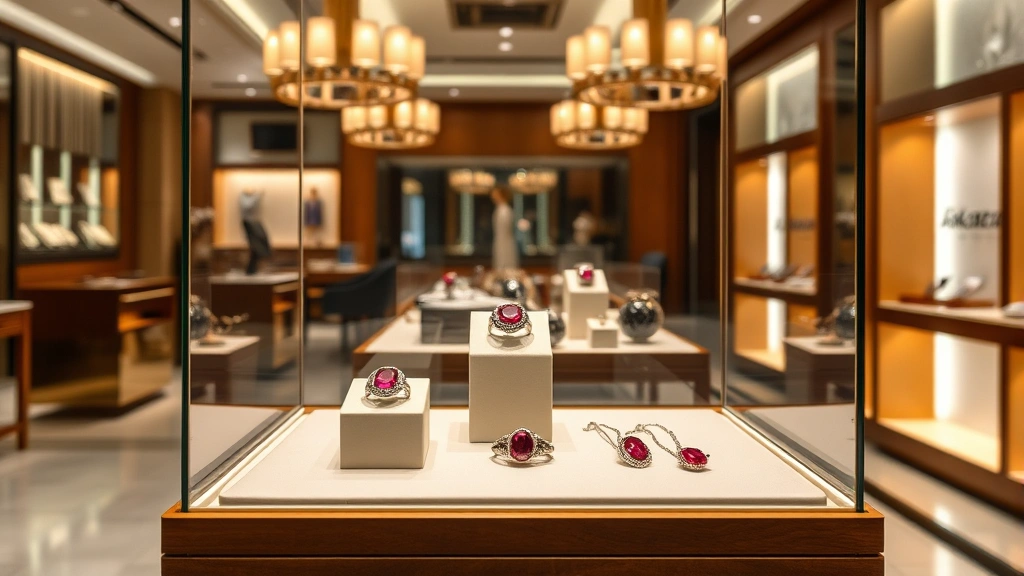
High-end jewelry retailers including Cartier, Van Cleef & Arpels, Graff, and other luxury brands offer authenticated rubies set in exquisite jewelry designs. These retailers combine gemstone quality assurance with exceptional craftsmanship, justifying premium pricing beyond raw gemstone value. When purchasing from luxury retailers, you invest in both the ruby and the designer’s reputation and warranty.
Luxury retailers maintain rigorous supplier relationships, sourcing only certified stones meeting strict quality standards. Their gemological teams evaluate every ruby, and most provide lifetime warranties covering workmanship and authenticity. This assurance provides peace of mind for significant investments.
However, luxury retail markups typically exceed 100-300% above wholesale gemstone cost, reflecting brand prestige, retail overhead, and design value. Buyers seeking pure gemstone investment returns may find better value through certified dealers specializing in loose stones rather than finished jewelry.
Many luxury retailers offer custom design services, allowing clients to specify ruby characteristics for bespoke pieces. This personalization appeals to collectors seeking unique items with documented provenance and professional authentication.
Auction Houses and Estate Sales
Prestigious auction houses like Sotheby’s and Christie’s conduct specialized jewelry auctions featuring exceptional rubies, including historic pieces and investment-grade stones. Auction purchases offer opportunities to acquire rare rubies with documented provenance and celebrity ownership histories, factors that enhance collectibility and potential appreciation.
Auction catalogs provide detailed gemological descriptions, including treatment disclosures and estimated values. However, final auction prices often exceed pre-sale estimates significantly, particularly for exceptional stones or pieces with compelling historical narratives. Buyers should establish maximum bid limits before auctions commence to avoid emotionally-driven overpaying.
Estate sales and local auction houses sometimes feature quality rubies at lower price points than major auction houses, though authentication requires independent gemological evaluation. These venues offer opportunities for knowledgeable buyers to identify undervalued stones, though they demand expertise distinguishing genuine quality from misrepresented merchandise.
Auction participation requires understanding buyer’s premiums (typically 15-25% above hammer price), payment terms, and authentication processes. Pre-auction inspection periods allow hands-on evaluation, an advantage over some online purchasing methods.
Direct Sourcing from Producing Countries
Myanmar, Thailand, Sri Lanka, and increasingly, Mozambique supply the world’s finest rubies. Direct sourcing from producing countries can yield competitive pricing but demands extensive expertise and carries elevated fraud risks. Traveling to ruby-producing regions allows personal evaluation and negotiation with local dealers and miners.
Direct sourcing advantages include eliminating middleman markups and accessing stones unavailable through conventional retail channels. Experienced buyers can negotiate significant discounts compared to Western retail pricing. However, this approach requires gemological knowledge, understanding of local market conditions, currency considerations, and international shipping logistics.
The primary risk involves purchasing untreated or minimally treated stones represented as natural, only discovering treatments upon independent laboratory evaluation. Additionally, importing rubies requires understanding customs regulations and international jewelry laws specific to your country.
For most buyers, direct sourcing makes sense only when combined with immediate independent laboratory certification. Partnering with established import companies specializing in gemstone sourcing reduces risks while maintaining direct-sourcing advantages.
Investment Considerations
Fine rubies have appreciated significantly over recent decades, with investment-grade stones (typically 3+ carats, vivid color, minimal treatment) demonstrating consistent value growth. Understanding ruby investment fundamentals helps distinguish between speculative purchases and legitimate investment vehicles.
Investment-grade rubies require impeccable documentation including laboratory certification, treatment disclosures, and preferably, photographic provenance. Liquidity considerations matter for investment purchases—extremely rare or unusual rubies may appreciate substantially but prove difficult to sell quickly if circumstances require liquidation.
Market research through GIA price guides and Rapaport gemstone pricing databases provides benchmarking data for comparative valuations. These resources track market trends, treatment prevalence, and price movements, enabling informed investment decisions.
Insurance becomes essential for valuable ruby purchases. Obtain independent appraisals from certified gemologists for insurance documentation, ensuring coverage reflects current market values. Insurance policies should specify treatment status and authentication requirements for claims processing.
Similar to understanding e-commerce platform dynamics in retail contexts, grasping ruby market structures—including supply chains, certification standards, and pricing mechanisms—enhances purchasing power and investment outcomes.
Diversification across ruby origins, sizes, and qualities reduces portfolio risk. Rather than investing entirely in a single exceptional stone, spreading investment across multiple rubies of varying characteristics provides flexibility and reduces catastrophic loss risk if any single stone’s authenticity or value is questioned.
FAQ
What should I look for in ruby certification?
Prioritize certification from GIA, AGS, or IGI laboratories. The certificate should document color grade, clarity characteristics, treatment status (heat treatment disclosure is standard), origin when determinable, and carat weight with dimensions. Certificates should include photographic documentation and the lab’s authentication seal.
Are heat-treated rubies worth buying?
Yes, heat-treated rubies represent the majority of the market and are acceptable for most purchases when treatment is disclosed and documented. However, untreated or minimally treated stones command premium prices. Always compare pricing between treated and untreated stones to ensure fair value.
How much should I expect to spend on quality rubies?
Fine quality rubies range from $100-500+ per carat for smaller stones (under 1 carat) to $5,000-15,000+ per carat for exceptional investment-grade stones. Exceptional rubies exceeding 5 carats with vivid color and minimal treatment can exceed $20,000 per carat at auction.
Can I purchase rubies internationally without concerns?
International ruby purchases require understanding customs regulations, import duties, and authentication protocols specific to your country. Many countries require gemological documentation for imports exceeding specific values. Utilize established international dealers familiar with import procedures to navigate regulatory requirements.
What’s the difference between Burmese and other origin rubies?
Burmese (Myanmar) rubies historically commanded premium prices due to their vivid pigeon’s blood color and fine clarity. However, Thai and Sri Lankan rubies offer excellent quality at lower price points. Origin influences value but shouldn’t be the sole purchasing criterion—evaluate individual stone quality independent of geographic origin.
How do I verify a ruby’s authenticity independently?
Seek evaluation from certified gemologists affiliated with recognized laboratories. Independent appraisals cost $100-300 but provide authoritative authentication and valuation documentation essential for insurance and resale purposes. Never rely solely on seller representations for significant purchases.