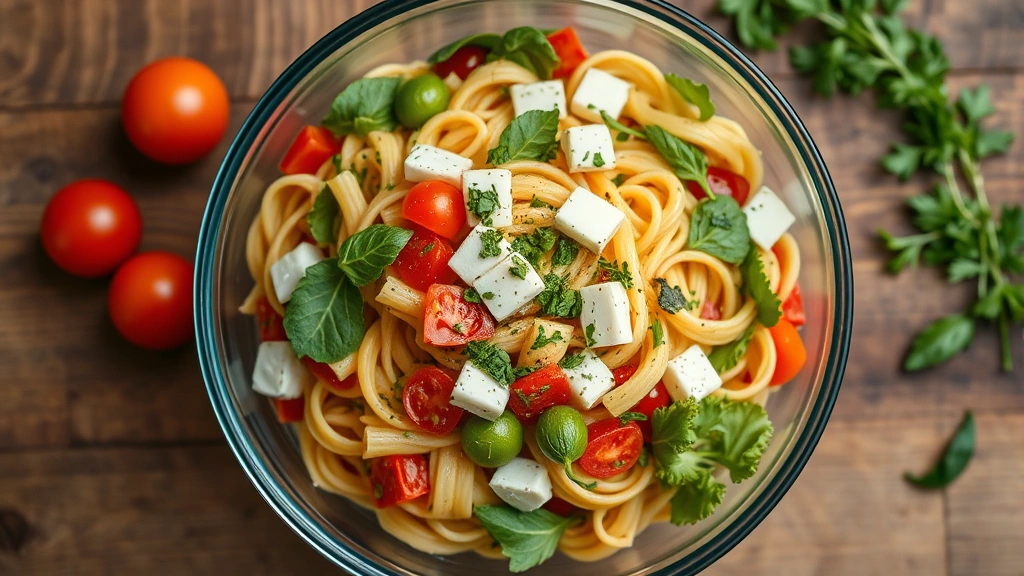
Best Pasta Salad Recipe: Chef’s Italian Dressing Tips for Perfect Results
Pasta salad has become a staple at summer gatherings, potlucks, and casual dining occasions across North America. The beauty of this versatile dish lies in its simplicity and adaptability, yet achieving restaurant-quality results requires understanding the fundamental principles of flavor development, ingredient selection, and preparation timing. Italian dressing serves as the backbone of traditional pasta salad, transforming simple cooked pasta into a vibrant, flavorful dish that appeals to diverse palates.
Whether you’re preparing a meal for a family barbecue or stocking inventory for a food service operation, mastering the art of pasta salad preparation directly impacts customer satisfaction and repeat business. The intersection of culinary technique and ingredient quality creates opportunities for differentiation in competitive food markets. Understanding how to properly balance acidity, oil, and seasonings in Italian dressing elevates pasta salad from a mundane side dish to a memorable culinary experience.
This comprehensive guide explores professional-grade techniques for crafting exceptional pasta salad, examines the critical role of quality Italian dressing, and provides actionable strategies for scaling recipes to meet commercial demands. Whether you’re operating a specialty food shop, catering business, or restaurant, these insights will enhance your product quality and customer retention.
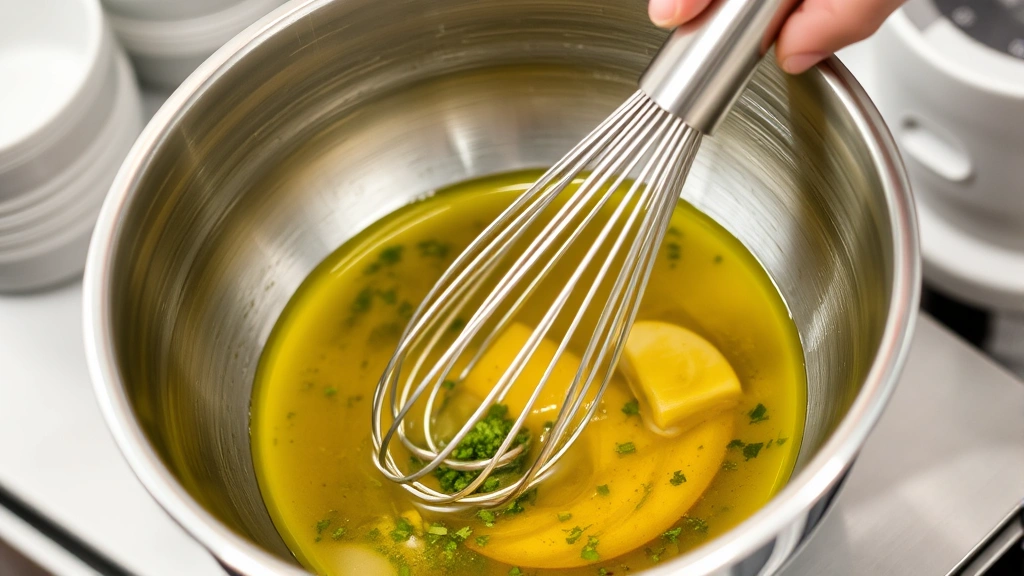
Understanding Italian Dressing Fundamentals
Italian dressing represents far more than a simple vinaigrette poured over pasta. The emulsion of oil and acidic components creates a foundation upon which all other flavors build. Traditional Italian dressing follows a classical ratio of three parts oil to one part acid, though variations exist based on regional influences and culinary preferences. The acid component—typically vinegar or lemon juice—serves critical functions: it brightens flavors, tenderizes ingredients, and acts as a natural preservative that extends shelf life.
The quality of oil significantly impacts the final product’s character and nutritional profile. Extra virgin olive oil contributes robust, fruity notes that define authentic Italian dressing, while refined vegetable oils provide neutral backgrounds that allow other ingredients to shine. For commercial operations managing e-commerce analytics and inventory tracking, understanding oil costs versus perceived value becomes essential for pricing strategy and profit margin optimization.
Professional chefs distinguish between fresh Italian dressing prepared immediately before service and compound dressings prepared in advance. Fresh dressings deliver superior flavor intensity and textural quality, while advance preparation allows for flavor integration and convenient batch production. The choice depends on operational capacity, storage capabilities, and target market expectations. High-volume food service operations often prepare dressing bases that are finished with fresh herbs and seasonings at service time.
Emulsification science plays a crucial role in dressing stability. The incorporation of mustard powder, egg yolk, or other emulsifying agents prevents separation and creates smooth, cohesive texture. Temperature fluctuations affect emulsion stability, making proper storage conditions essential for maintaining product consistency across multiple service days.

Selecting Premium Pasta Varieties
Pasta selection dramatically influences the final dish’s texture, mouthfeel, and ability to absorb dressing. Durum wheat semolina pasta, the gold standard for quality production, contains higher protein levels and creates superior texture retention compared to soft wheat alternatives. The pasta’s shape determines dressing distribution and ingredient interaction patterns. Short pasta shapes like fusilli, penne, and farfalle create numerous surface areas and pockets that trap dressing and ingredients, creating more flavorful bites throughout the dish.
Artisanal pasta producers often employ bronze dies during extrusion, creating rougher surfaces that hold dressing more effectively than smooth, industrial alternatives. This seemingly minor detail impacts perceived quality and customer satisfaction metrics. Brands utilizing traditional Italian production methods command premium pricing, reflecting both production costs and consumer willingness to pay for superior products.
Cooking pasta to proper doneness—typically al dente or slightly firm—prevents mushiness when combined with dressing. Overcooked pasta absorbs excessive liquid and becomes pasty, while undercooked pasta provides inadequate flavor absorption. The starch content in cooking water should be preserved and incorporated into the dressing, as it naturally emulsifies and enhances binding properties. This technique, familiar to pasta-making professionals, transforms a good dish into an exceptional one.
For operations exploring diverse market channels, including those examining high-ticket sales strategies, premium pasta selection becomes part of premium product positioning. Specialty retailers and upscale food service venues command higher margins on products featuring recognizable quality indicators like Italian origin, artisanal production methods, or organic certification.
Building Flavor Layers in Your Dressing
Professional dressing preparation employs a systematic approach to flavor building, incorporating multiple components that create complexity and depth. Begin with acid and salt, which form the flavor foundation and activate taste receptors. Red wine vinegar provides robust, slightly tannic notes, while white wine vinegar offers brighter, more delicate characteristics. Balsamic vinegar adds subtle sweetness and complexity, though it should be used sparingly to avoid overpowering other flavors.
Garlic represents an essential dressing component, though preparation method significantly affects its impact. Fresh minced garlic delivers pungent, sharp characteristics, while roasted garlic contributes mellow, sweet notes. Garlic powder offers consistency and convenience for large-batch production, though it lacks the freshness of fresh preparations. The balance between these options depends on production scale, storage capacity, and desired flavor profile.
Herbs create the distinctive Italian character that defines this dressing category. Dried oregano, basil, and thyme are foundational selections, with fresh herbs added immediately before service for maximum aroma and flavor intensity. Professional kitchens often maintain both dried and fresh versions, using dried herbs in advance preparations and fresh herbs as finishing elements. This layered approach maximizes flavor while accommodating operational constraints.
Secondary flavor components elevate dressing from functional to memorable. Dijon mustard adds complexity and natural emulsification properties, while red pepper flakes introduce subtle heat that awakens the palate. Finely minced shallots or red onion contribute textural interest and sharp flavor notes that balance richness from oils. Some preparations incorporate sun-dried tomatoes, capers, or anchovies for umami depth and savory character.
The sequence of component addition impacts final flavor development. Combine acids and salt first, allowing salt to fully dissolve and activate flavor compounds. Add mustard and other emulsifying agents next, whisking thoroughly to create stable base. Finally, incorporate oil slowly while whisking continuously, creating emulsion that traps liquid and fat molecules in balanced suspension. This classical technique ensures dressing consistency and prevents separation during storage.
Fresh Ingredient Selection and Preparation
Beyond dressing, ingredient quality determines overall dish success. Cherry tomatoes, selected at peak ripeness, provide concentrated flavor and appealing visual presentation. Cucumber varieties offer different textural characteristics—seedless English cucumbers provide tender flesh with minimal water content, while traditional varieties contribute satisfying crunch and pleasant seed texture. Vegetable selection should balance visual appeal, textural contrast, and flavor compatibility with the Italian dressing base.
Fresh mozzarella, if incorporated, should be added immediately before service to prevent moisture absorption and texture degradation. Pre-shredded cheeses contain anti-caking agents that affect melting properties and textural perception. Whole milk mozzarella provides superior flavor and mouthfeel compared to low-fat alternatives. For commercial operations, understanding ingredient shelf life and rotation protocols prevents waste while maintaining consistent quality standards.
Protein additions—including grilled chicken, Italian sausage, or cured meats like prosciutto—transform pasta salad into complete meals. Proteins should be properly seasoned and cooled before incorporation to prevent dressing separation from residual heat. Cured meats add salt and umami depth, while fresh proteins require careful seasoning and cooking technique to avoid drying during preparation.
Leafy greens, if included, should be added immediately before service to prevent wilting and preserve textural contrast. Spinach, arugula, or mixed greens provide nutritional value and visual sophistication. Tender lettuces work better than robust varieties, which can overpower delicate dressing flavors.
Nuts and seeds—including pine nuts, walnuts, or sunflower seeds—introduce textural contrast and nutritional density. Toasting these components before incorporation intensifies their flavors and improves shelf stability. Proper storage in cool, dry conditions prevents rancidity that can compromise product quality and customer satisfaction.
Assembly and Timing Strategies
The timing of ingredient combination significantly impacts flavor development and textural quality. Professional preparation involves several distinct phases: dressing preparation, pasta cooking and cooling, initial dressing incorporation, and final assembly with fresh components. This staged approach allows flavor integration while maintaining textural contrast and visual appeal.
Immediately after cooking, hot pasta should be dressed while still warm. This timing allows maximum dressing absorption and flavor penetration. The residual heat activates herb compounds and helps distribute flavors throughout the dish. Once dressed, pasta should cool to room temperature before refrigeration, preventing condensation that can create watery, unappetizing results.
The duration between initial dressing and service impacts flavor development. Overnight refrigeration allows flavors to meld and intensify, though extended storage can result in dressing absorption that requires adjustment before service. Professional operations often prepare pasta salad the day before service, tasting and adjusting seasonings immediately before presentation. This approach balances flavor development with operational efficiency.
Fresh components—including tender vegetables, fresh herbs, and delicate proteins—should be incorporated within two to four hours of service. This timing preserves textural contrast and prevents vegetable degradation from excessive dressing absorption. For operations managing multiple service periods, this staged assembly approach optimizes quality while accommodating production schedules.
Temperature management affects both safety and flavor perception. Pasta salad served chilled presents flavors differently than room-temperature preparations. Cold temperatures suppress volatile flavor compounds, requiring stronger seasoning adjustments. Professional chefs often taste pasta salad after removing it from refrigeration, making final seasoning adjustments to compensate for temperature-related flavor suppression.
Commercial-Scale Production Considerations
Scaling pasta salad production from home kitchen to commercial operation introduces complexity around equipment, ingredient sourcing, and quality control. Batch cooking equipment, including tilt-kettles or tilting skillets, enables efficient large-volume dressing preparation. These commercial appliances distribute heat evenly and facilitate thorough mixing of components, ensuring consistency across multiple batches.
Ingredient sourcing directly impacts cost structure and product differentiation. Establishing relationships with specialty food distributors provides access to premium Italian imports, organic produce, and artisanal components that justify premium pricing. Bulk purchasing agreements reduce per-unit costs while ensuring consistent supply of signature ingredients. Understanding supplier capabilities and reliability becomes essential for maintaining production schedules and meeting customer expectations.
For businesses exploring diverse sales channels and market opportunities, similar principles apply to other high-value product categories. Just as understanding used SUVs for sale requires knowledge of market segments and customer preferences, pasta salad production benefits from clear understanding of target market demographics, price sensitivity, and quality expectations. Premium positioning requires consistent delivery of superior products that justify higher price points.
Quality control protocols ensure consistency across production batches and service dates. Standardized recipes with precise measurements prevent variation that confuses customers and damages brand reputation. Regular tasting panels, conducted by trained personnel, identify drift from established standards and facilitate corrective action before products reach consumers. Documentation of tasting results creates audit trails that demonstrate commitment to quality assurance.
Yield management—calculating how much finished product results from measured ingredient quantities—affects pricing accuracy and profit margin optimization. Pasta expands during cooking, increasing volume and weight. Vegetable chopping generates trim waste, reducing usable yield. Understanding these factors enables accurate cost calculations and pricing strategies that maintain profitability while remaining competitive.
Storage and Food Safety Protocols
Proper storage directly impacts product safety, shelf life, and quality maintenance. Pasta salad containing mayonnaise-based dressings requires refrigeration below 41°F and has limited shelf life of three to four days. Oil-based dressings like traditional Italian preparations extend shelf life to five to seven days when properly stored in covered containers that prevent oxidation and moisture absorption.
Container selection affects product quality and customer perception. Glass containers preserve appearance and allow quality assessment, though they increase shipping costs and breakage risk. Food-grade plastic provides lightweight alternatives with excellent moisture barrier properties. Vacuum-sealed packaging extends shelf life by preventing oxidation while creating premium presentation suitable for specialty retail environments.
Cross-contamination prevention requires careful attention to ingredient handling, particularly when incorporating proteins or items prepared on shared equipment with common allergens. Documented allergen protocols protect vulnerable customers while reducing liability exposure. Clear labeling of ingredients and potential allergens demonstrates commitment to customer safety and builds trust with health-conscious consumers.
Temperature control during distribution and retail display significantly impacts product safety and shelf life. Cold chain maintenance from production facility through consumer receipt ensures food safety and optimal flavor preservation. Retailers should monitor display temperatures regularly, documenting compliance with food safety standards. Temperature excursions require immediate product removal to prevent safety risks.
Staff training in proper handling, storage, and serving procedures ensures consistent quality delivery and food safety compliance. Regular refresher training maintains awareness of protocols and provides opportunities to address questions or concerns. Documentation of training completion creates accountability and demonstrates due diligence in food safety management.
For food service operations interested in exploring complementary product categories, understanding distribution and retail logistics applies across diverse markets. Similar inventory management, quality control, and food safety principles apply whether managing specialty pasta products or exploring opportunities like Lexus RX 350 for sale through alternative business models. Attention to detail and commitment to customer satisfaction drive success across product categories.
FAQ
What’s the ideal ratio of oil to vinegar in Italian dressing?
The classical ratio is three parts oil to one part acid (vinegar or lemon juice). However, personal preference and specific ingredients may warrant adjustment. Some preparations use a 2:1 ratio for brighter acidity or 4:1 for richer, more mellow character. Professional chefs taste and adjust ratios based on the specific oils and vinegars used, as these vary significantly in intensity and character.
Can I prepare pasta salad the night before serving?
Yes, preparing pasta salad overnight allows flavors to meld and intensify. However, avoid adding delicate fresh vegetables until closer to service time. Prepare the pasta base, cool thoroughly, refrigerate overnight, then add fresh vegetables, tender herbs, and proteins within a few hours of service. This staged approach maintains textural contrast while allowing flavor development.
How long does homemade Italian dressing last in the refrigerator?
Oil-based Italian dressing typically lasts seven to ten days when stored in sealed containers away from light and heat. Dressings containing fresh garlic or other perishable ingredients may have shorter shelf lives. Always inspect dressing for off-odors or discoloration before use. Proper storage in glass bottles or opaque containers extends shelf life by preventing oxidation.
What’s the best pasta shape for salad?
Short pasta shapes like fusilli, penne rigate, and farfalle work best because they trap dressing and ingredients in their curves and pockets, creating more flavorful bites. Avoid long thin pastas like spaghetti or linguine, which don’t hold dressing effectively and create inconsistent texture throughout the dish.
Should I rinse cooked pasta before adding dressing?
No. Rinsing pasta removes surface starch that helps dressing adhere and creates emulsion. Instead, immediately dress hot pasta while it’s still warm, allowing maximum dressing absorption. The starch from cooking water, if incorporated into the dressing, naturally enhances binding and creates silkier texture.
Can I use store-bought Italian dressing?
While convenient, store-bought dressings often contain preservatives, thickeners, and excessive sodium that don’t deliver the fresh flavor profile of homemade preparations. For commercial operations emphasizing quality and differentiation, homemade dressing justifies the additional preparation time and cost through superior flavor and customer satisfaction. Some retailers successfully blend store-bought bases with fresh components to balance convenience and quality.
How can I prevent my pasta salad from becoming watery?
Watery pasta salad typically results from water released by vegetables or improper cooling procedures. After cooking, cool pasta to room temperature before refrigeration to prevent condensation. Add vegetables that release moisture—like tomatoes and cucumbers—closer to service time. If preparing ahead, reserve these vegetables separately and combine immediately before serving.