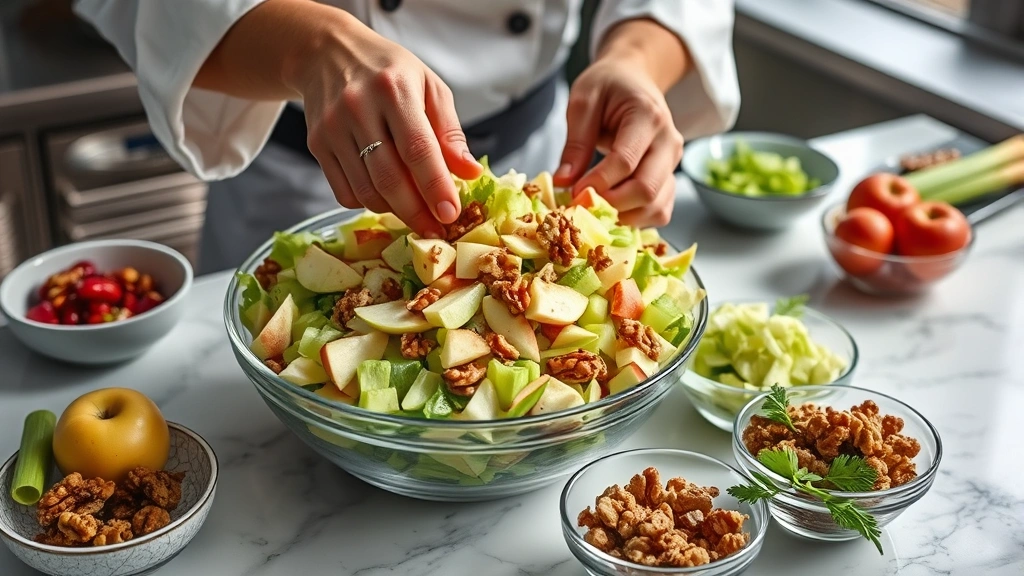
Easy Waldorf Salad Recipe: Chef’s Secret Tips for Perfect Results
The Waldorf salad represents one of culinary history’s most elegant yet approachable dishes, originating from the prestigious Waldorf Astoria Hotel in New York City during the 1890s. This classic recipe combines crisp apples, tender celery, crunchy walnuts, and creamy mayonnaise into a harmonious blend that delights the palate and impresses dinner guests. Whether you’re preparing a casual lunch, hosting a sophisticated dinner party, or managing food service operations, understanding the fundamentals of Waldorf salad preparation ensures consistent, restaurant-quality results every single time.
Modern food service professionals and home cooks alike recognize the Waldorf salad as a versatile menu staple that appeals to diverse audiences. The recipe’s simplicity belies its sophisticated flavor profile, making it an ideal choice for establishments looking to expand their offerings without requiring extensive culinary expertise. This comprehensive guide explores professional techniques, ingredient selection strategies, and insider tips that transform a basic salad into an exceptional dining experience.
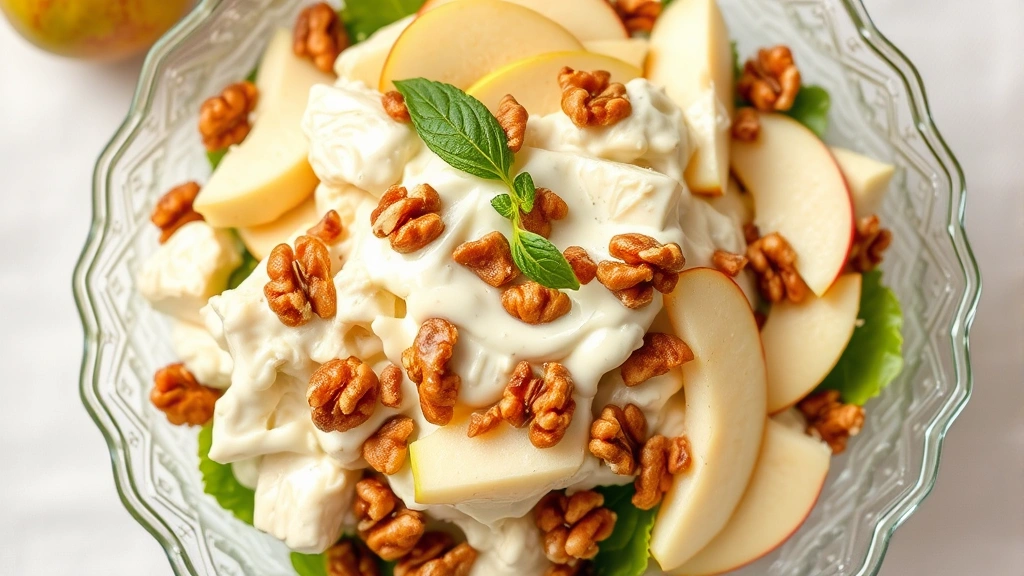
Essential Ingredients for Authentic Waldorf Salad
Creating an exceptional Waldorf salad begins with selecting premium ingredients that provide both flavor and texture contrast. The foundation of this classic recipe rests upon four primary components, each contributing distinct characteristics to the final dish. Understanding ingredient quality and sourcing directly impacts the salad’s success, particularly in commercial food service environments where consistency remains paramount.
Apples serve as the salad’s flavor anchor, providing natural sweetness and refreshing crispness. Professional chefs recommend using Granny Smith apples for their firm texture and tart-sweet balance, though Honeycrisp and Pink Lady varieties offer excellent alternatives. The key consideration involves selecting apples with minimal browning tendency; tossing sliced apples immediately with lemon juice prevents oxidation and maintains visual appeal. For food service inventory management, establishing relationships with produce suppliers ensures consistent apple quality throughout seasons.
Celery contributes essential textural contrast and subtle herbaceous notes that balance the salad’s creaminess. Select celery stalks that display firm structure and bright color, avoiding wilted or yellowed specimens. Slicing celery into uniform pieces ensures even flavor distribution and professional presentation. The quality of celery directly influences overall texture, making supplier selection critical for commercial operations.
Walnuts provide the salad’s signature crunch and contribute healthy unsaturated fats that enhance satiety. Toasting walnuts lightly before incorporating them intensifies their flavor and deepens their natural earthiness. Freshness proves essential, as rancid nuts compromise the entire dish. For establishments managing multiple locations or high-volume production, evaluating specialized food service businesses can streamline ingredient procurement.
Mayonnaise binds the salad’s components into a cohesive whole while providing creamy richness. Premium mayonnaise made with quality eggs and oil delivers superior flavor compared to commercial alternatives. Some chefs employ Greek yogurt or crème fraîche to reduce fat content while maintaining creaminess, adapting the classic recipe for contemporary dietary preferences.
Step-by-Step Preparation Method
Professional preparation follows a systematic approach that ensures ingredient freshness and optimal flavor development. This methodical process works equally well for individual servings and large-batch production.
- Prepare the apples: Wash apples thoroughly under cold running water. Cut apples into quarters, remove cores, and slice into uniform pieces approximately ¼-inch thick. Immediately place sliced apples into a bowl containing fresh lemon juice (approximately 2 tablespoons per apple). This step prevents enzymatic browning and adds subtle citrus brightness to the finished salad.
- Prepare the celery: Rinse celery stalks and pat dry with clean kitchen towels. Slice celery at a slight angle into pieces approximately ½-inch thick. This angled cut increases surface area and creates visual interest on the plate.
- Toast the walnuts: Spread raw walnuts on a baking sheet and toast at 350°F for approximately 8-10 minutes, stirring halfway through. Remove from heat when fragrant and allow to cool completely before chopping into bite-sized pieces. Proper toasting enhances flavor complexity significantly.
- Combine wet ingredients: In a separate bowl, combine mayonnaise with a pinch of salt, white pepper, and optional ingredients such as Dijon mustard or fresh tarragon. Mix until completely smooth and homogeneous. This base provides the salad’s binding agent and flavor foundation.
- Assemble the salad: Remove apples from lemon juice using a slotted spoon, reserving the liquid. Combine drained apples, celery, toasted walnuts, and grapes (if using) in a large mixing bowl. Pour the mayonnaise mixture over the ingredients and fold gently until all components achieve even coating. Avoid aggressive mixing, which bruises delicate ingredients.
- Taste and adjust: Sample the salad and adjust seasoning as needed. A squeeze of reserved lemon juice brightens flavors, while additional salt and pepper fine-tune the balance.
Professional Techniques and Chef Secrets
Experienced culinary professionals employ specific techniques that elevate Waldorf salad from ordinary to exceptional. These insider methods reflect decades of refinement and experimentation.
Temperature management significantly influences the eating experience. Serving Waldorf salad thoroughly chilled maintains crispness and enhances refreshment. Pre-chill all components, bowls, and serving plates at least two hours before assembly. Cold ingredients maintain texture integrity longer and provide superior mouthfeel.
Ingredient layering creates visual appeal and prevents the salad from appearing homogeneous. Professional plating arranges walnuts, apple slices, and celery pieces in distinct sections before drizzling with the mayonnaise mixture. This presentation style appeals to contemporary diners and demonstrates culinary expertise.
Acid-fat balance represents the most critical flavor consideration. The lemon juice’s acidity cuts through the mayonnaise’s richness, preventing the salad from becoming cloying. Professional chefs taste continuously and adjust this balance based on ingredient freshness and personal preference. Some establishments add white wine vinegar or champagne vinegar for additional complexity.
Textural contrast distinguishes exceptional Waldorf salad from mediocre versions. Ensuring walnuts remain crunchy requires adding them just before serving or storing them separately until the final moment. For high-volume operations, this timing consideration becomes critical to maintaining quality across multiple seatings.
Customization for dietary preferences expands market appeal. Substituting mayonnaise with Greek yogurt reduces calories by approximately 30% while maintaining creamy texture. Incorporating additional vegetables such as grapes, pomegranate seeds, or dried cranberries adds color, nutrition, and flavor complexity. These variations align with contemporary health-conscious consumer trends documented in McKinsey’s consumer behavior research.
Variations and Modern Adaptations
Contemporary chefs continually reinterpret the classic Waldorf formula, creating innovative variations that honor tradition while embracing modern culinary trends. These adaptations maintain the salad’s essential character while appealing to diverse palates and dietary requirements.
The Chicken Waldorf transforms the salad into a complete protein-rich entrée by incorporating diced roasted chicken breast. This variation appeals to diners seeking substantial lunch or dinner options. Professional establishments often prepare this variation in individual portions, controlling portion sizes and ensuring consistent protein quantities.
The Vegetarian Waldorf emphasizes plant-based proteins through the addition of crispy chickpeas, tofu cubes, or tempeh. These substitutions maintain the salad’s nutritional profile while accommodating plant-forward dietary preferences increasingly common among contemporary consumers.
The Asian-Inspired Waldorf incorporates sesame oil, soy sauce, and ginger into the dressing while adding water chestnuts and mandarin orange segments. This adaptation demonstrates how classical recipes adapt to fusion cuisine trends, expanding market appeal without sacrificing the original recipe’s integrity.
The Herb-Forward Waldorf integrates fresh tarragon, chervil, and dill into both the dressing and as garnish elements. Fresh herbs elevate the salad’s sophistication and align with contemporary farm-to-table dining trends that emphasize ingredient quality and seasonal availability.
Scaling for Food Service Operations
Food service establishments must adapt Waldorf salad recipes for high-volume production while maintaining consistency and quality. This scaling process requires systematic planning and proper equipment investment.
For operations managing inventory across multiple locations, establishing standardized recipes proves essential. Documenting exact measurements, ingredient specifications, and preparation procedures ensures every location produces identical products. This consistency builds customer loyalty and streamlines staff training.
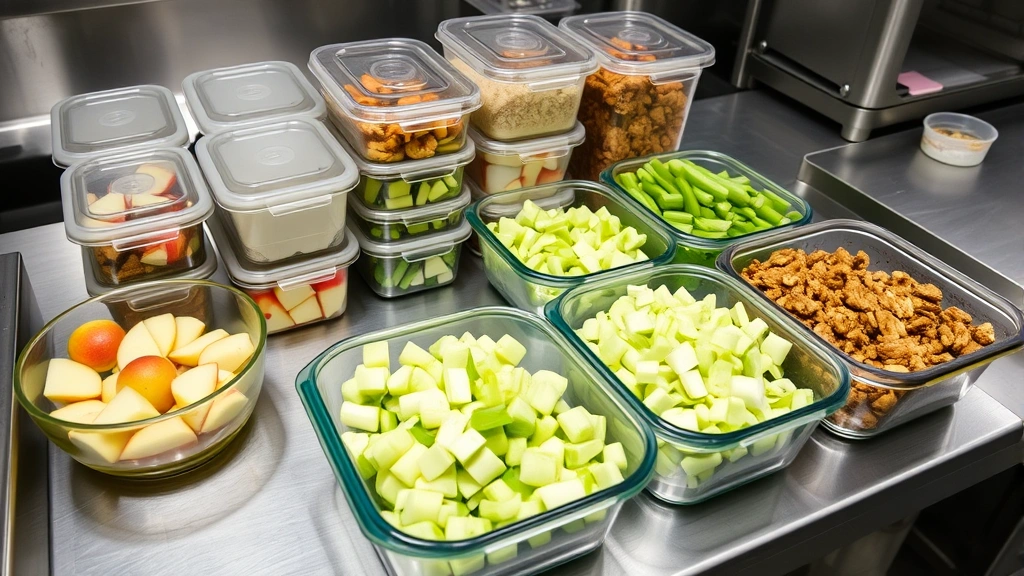
Batch preparation strategies optimize labor efficiency without compromising quality. Professional kitchens prepare individual components separately, combining them only immediately before service. This approach maintains ingredient freshness and allows flexibility in responding to unexpected demand fluctuations. Pre-portioned ingredients stored in sealed containers maintain quality for up to 24 hours under proper refrigeration.
Equipment considerations impact production efficiency significantly. Commercial mandolines slice apples and celery uniformly, reducing labor time while ensuring consistent product quality. Food processors chop walnuts efficiently for large batches, though some establishments prefer hand-chopping for superior texture control.
Yield calculations guide purchasing decisions and pricing strategies. A typical Waldorf salad recipe yields approximately four servings from one pound of apples, three celery stalks, and one cup of walnuts. Understanding these ratios enables accurate forecasting and cost control across multiple service periods.
Storage and Food Safety Guidelines
Proper storage techniques preserve ingredient quality and ensure food safety compliance. These guidelines protect both consumer health and product integrity.
Component storage maintains individual ingredient freshness before assembly. Sliced apples stored in lemon juice remain fresh for up to four hours. Diced celery maintains crispness in sealed containers for up to two days. Toasted walnuts stored in airtight containers remain fresh for up to one week. Mayonnaise-based dressing remains stable for up to three days when stored at temperatures below 40°F.
Assembled salad storage presents timing challenges due to ingredient interaction. Once combined, Waldorf salad maintains optimal quality for approximately two hours before the mayonnaise begins absorbing moisture from celery and apples. For establishments requiring longer hold times, storing components separately and assembling to order ensures superior quality.
Temperature control proves critical throughout handling and service. All components should maintain temperatures below 40°F from preparation through service. Using refrigerated serving bowls and ice beds during buffet service preserves food safety while maintaining optimal temperature.
Cross-contamination prevention requires dedicated preparation areas and proper sanitization. Since Waldorf salad contains tree nuts, establishments must implement allergen protocols to prevent cross-contact with other ingredients. Clearly labeling prepared salads with allergen information protects vulnerable consumers and demonstrates regulatory compliance.
Frequently Asked Questions
Can I prepare Waldorf salad in advance?
Preparing components in advance works well, but assembled salad maintains optimal quality for only two hours. For best results, store the mayonnaise dressing separately and combine with other ingredients immediately before serving. This approach preserves crispness and prevents the salad from becoming soggy.
What apple varieties work best for this recipe?
Granny Smith apples remain the traditional choice due to their firm texture and tart-sweet balance. However, Honeycrisp, Pink Lady, and Braeburn varieties offer excellent alternatives. Avoid soft varieties like Red Delicious, which become mushy and compromise texture.
Can I substitute the mayonnaise?
Greek yogurt, crème fraîche, or sour cream provide excellent alternatives that reduce fat content while maintaining creaminess. Some chefs create hybrid dressings combining mayonnaise with yogurt for balanced flavor and texture. Experiment to find the combination that best suits your preferences.
How long does Waldorf salad keep in the refrigerator?
Properly stored components maintain quality for up to three days. However, assembled salad degrades after two hours as ingredients release moisture and the mayonnaise absorbs liquids. For optimal quality, assemble immediately before serving.
Is Waldorf salad suitable for commercial food service?
Absolutely. The recipe scales efficiently for high-volume production and appeals to diverse diners. Its versatility accommodates numerous dietary adaptations, making it an excellent menu staple for restaurants, catering operations, and institutional food service. Understanding contemporary food service trends helps establishments position Waldorf salad effectively within their overall menu strategy.
What nutritional value does Waldorf salad provide?
A typical serving contains approximately 300-350 calories, with significant contributions from healthy unsaturated fats in walnuts and mayonnaise. Apples and celery provide dietary fiber and essential micronutrients. The recipe’s nutritional profile aligns well with contemporary wellness trends, particularly when modified with Greek yogurt substitutions.
How can I add protein to Waldorf salad?
Incorporating roasted chicken breast, grilled shrimp, or crispy chickpeas transforms the salad into a complete meal. These additions appeal to diners seeking substantial lunch or dinner options while maintaining the recipe’s essential character and flavor balance.
What beverages pair well with Waldorf salad?
Crisp white wines such as Sauvignon Blanc or Pinot Grigio complement the salad’s creamy richness while their acidity cleanses the palate. Sparkling water with lemon provides a refreshing non-alcoholic option. Herbal teas served chilled offer an elegant accompaniment that emphasizes the salad’s sophisticated character.