Buying Used Ford Bronco? Essential Tips Inside
The Ford Bronco has made a triumphant return to the automotive market, capturing the hearts of adventure seekers and off-road enthusiasts worldwide. Whether you’re drawn to the iconic two-door classic or the modern four-door variant, purchasing a used Ford Bronco requires strategic planning and thorough evaluation. This comprehensive guide walks you through everything you need to know before making this significant investment.
The used vehicle market has become increasingly competitive, with popular models like the Bronco commanding premium prices. Understanding market dynamics, inspection protocols, and negotiation strategies can save you thousands of dollars while ensuring you acquire a reliable vehicle that meets your lifestyle needs. From evaluating mechanical condition to assessing market value, we’ll cover the essential factors that separate smart buyers from those who overpay.
Understanding the Used Ford Bronco Market
The Ford Bronco’s resurgence has created a dynamic secondary market with strong demand and competitive pricing. When searching for used Ford Bronco for sale, you’ll encounter various model years, configurations, and condition levels. The market value fluctuates based on mileage, generation, features, and regional demand. According to Kelley Blue Book, used Broncos consistently maintain strong residual values, reflecting their desirability among buyers.
The first-generation Broncos (1966-1977) represent collector’s items with prices reflecting their vintage appeal, while second-generation models (1978-1996) offer more affordable entry points. The modern generation Broncos launched in 2021 command premium prices due to their recent technology and design innovations. Understanding which generation aligns with your budget and requirements is crucial. Consider whether you prioritize modern amenities and warranty coverage or prefer classic styling and lower acquisition costs.
Regional variations significantly impact pricing. Markets with strong outdoor recreation communities tend to have higher Bronco prices, while regions with less off-road culture may offer better deals. Seasonal demand also affects availability and pricing—spring and summer typically see increased competition among buyers. Researching comparable listings across multiple platforms provides baseline pricing data essential for informed decision-making.
Pre-Purchase Inspection Checklist
A comprehensive pre-purchase inspection separates confident buyers from those vulnerable to costly repairs. Begin with exterior evaluation, examining paint consistency, body panel alignment, and rust indicators. The Bronco’s off-road heritage means many vehicles carry cosmetic battle scars. Minor dents and scratches are acceptable, but structural rust around the frame, undercarriage, or door jambs signals serious problems requiring professional assessment.
Check all weatherstripping, rubber seals, and window mechanisms. These components deteriorate with age and harsh weather exposure. Examine lights, wipers, and trim pieces for functionality and replacement availability. Document any missing or damaged components for negotiation leverage. Interior inspection should evaluate seat condition, dashboard integrity, carpet wear, and electronics functionality.
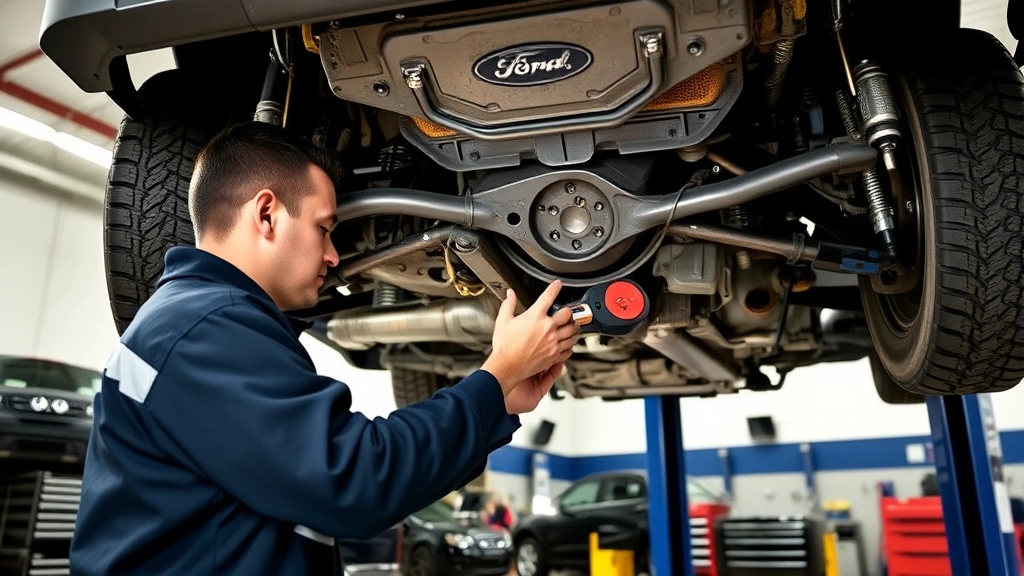
The undercarriage deserves careful attention. Request the seller place the vehicle on a lift or use a creeper to inspect the frame, suspension components, and exhaust system. Look for welding repairs, which may indicate previous damage or rust treatment. Examine differential covers and transmission pans for seepage indicating internal issues. Check shock absorbers for leaking fluid and suspension bushings for deterioration.
Tire condition reveals much about vehicle maintenance history. Uneven wear patterns suggest alignment problems or suspension issues. Check brake pad thickness and rotor condition. Request documentation of recent service work, as meticulous maintenance records indicate responsible ownership. Ask about service intervals and whether fluid changes were performed on schedule.
Evaluating Mechanical Condition
Engine condition assessment requires more than a visual inspection. Start the engine from cold and listen for unusual noises—knocking, grinding, or excessive valve train noise indicates internal problems. Observe exhaust color; white smoke suggests coolant burning, while blue indicates oil consumption. Black smoke points to running too rich. Acceleration should be smooth without hesitation or stumbling.
Transmission behavior is critical. Automatic transmissions should shift smoothly without delays or harsh engagement. Manual transmissions should have clean, positive shifts with a predictable clutch bite point. Slipping, grinding, or delayed engagement suggests expensive repairs ahead. Fluid condition provides diagnostic information—dark, burnt-smelling fluid indicates overheating or excessive wear.
Test drive evaluation should include highway driving, steep hill climbing, and off-road sections if accessible. Pay attention to steering response, brake feel, and suspension compliance. Excessive body roll, nose-diving under braking, or bottoming out over bumps indicates suspension wear. Listen for brake noise, steering creaks, or drivetrain sounds that shouldn’t exist.
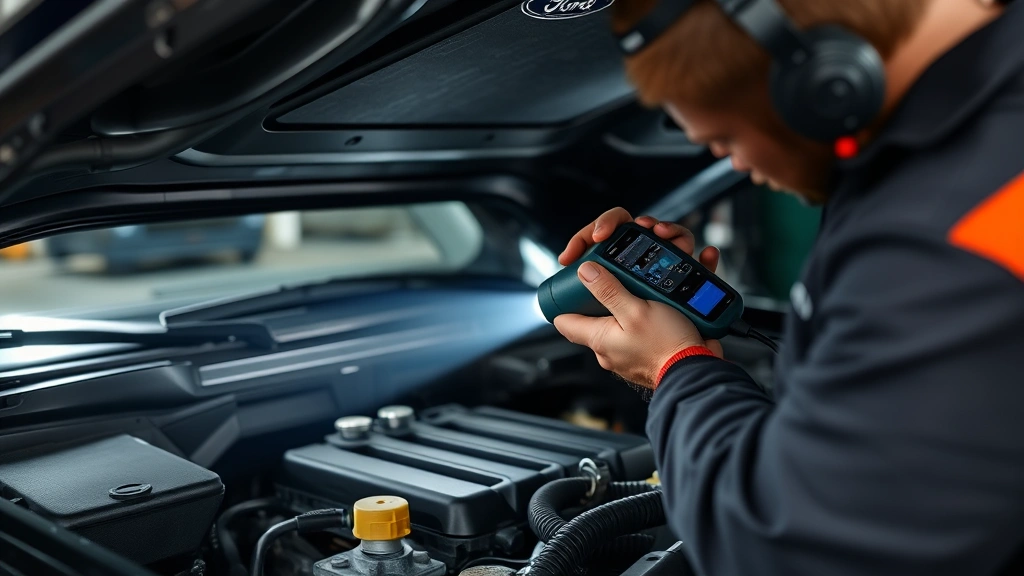
Request a pre-purchase inspection from an independent mechanic specializing in Ford vehicles. This investment, typically $150-300, can reveal hidden problems that negotiation leverage or walk-away decisions justify. Professional mechanics have diagnostic equipment and experience identifying issues invisible to untrained eyes. They provide written reports documenting findings, creating objective negotiation foundations.
Check the vehicle history report through CARFAX or AutoCheck. These reports reveal accident history, title status, service records, and mileage consistency. Title brands like “salvage” or “flood” indicate serious problems. Multiple ownership changes in short timeframes may suggest recurring issues. Consistent service records at reputable dealerships indicate better maintenance than sporadic independent shop visits.
Pricing Strategy and Negotiation
Establishing target pricing requires researching comparable sales across multiple platforms. Check Edmunds for pricing guides, local classified listings, dealer inventory, and auction results. Document pricing variations based on mileage, condition, features, and location. Create a spreadsheet comparing similar vehicles to identify whether a listing represents fair value, overpricing, or an exceptional deal.
Factor mileage into pricing calculations. Generally, 12,000-15,000 miles annually represents average usage. Higher mileage reduces value proportionally, though well-maintained high-mileage vehicles often perform better than neglected low-mileage examples. Condition matters more than mileage alone. A 100,000-mile Bronco with meticulous service records often outperforms a 60,000-mile vehicle with spotty maintenance.
Identify negotiation leverage points discovered during inspection. Document needed repairs or maintenance items. Obtain repair quotes from local shops for leverage. However, avoid nitpicking minor cosmetic issues—focus on substantive mechanical concerns. Approach negotiation professionally; sellers respond better to data-driven discussions than emotional arguments.
Make initial offers 10-15% below asking price, providing documented inspection findings as justification. This creates negotiation room while signaling serious intent. Be prepared to walk away from overpriced vehicles; another Bronco will appear. Patience is your greatest negotiation advantage. Desperate sellers make better deals; desperate buyers overpay significantly.
Consider timing strategically. End-of-month or end-of-quarter purchases often yield better deals as dealers seek sales targets. Bad weather seasons reduce competition. Private sellers with life changes (relocations, job changes, family situations) often price vehicles more reasonably than casual sellers.
Documentation and Title Verification
Title verification ensures the vehicle is legitimately available for purchase without liens or ownership disputes. Request the title from sellers before committing to purchase. Verify the seller’s name matches title documentation. Check for title brands indicating salvage, flood damage, or lemon law buybacks. These vehicles are generally poor investments despite lower prices.
Lien searches reveal outstanding loans against the vehicle. Contact your state’s DMV or use online title search services to confirm no liens exist. Sellers should discharge any outstanding loans before sale completion. Never accept promises to pay off loans after purchase; always require proof of payoff before transferring funds.
Obtain the vehicle identification number (VIN) and verify it matches documentation across title, registration, and vehicle itself. The VIN contains production information revealing manufacture date, factory options, and engine specifications. Decode the VIN through Ford resources to confirm stated specifications match actual factory configurations.
Request service records, warranties, and maintenance documentation. These records prove proper care and may transfer to new owners, adding value. Original owner documentation, warranty information, and service receipts demonstrate transparency and careful ownership. Missing records don’t necessarily indicate poor maintenance, but comprehensive documentation strengthens purchase confidence.
Understand your state’s lemon law protections. Some jurisdictions provide short-term warranties on used vehicle purchases, while others require “as-is” acceptance. Knowing your legal protections influences negotiation strategy and purchase decisions. Consult local regulations before finalizing purchases.
Finding Reliable Sellers
Seller reliability significantly impacts purchase experience and post-sale satisfaction. Reputable dealerships offer limited warranties, vehicle history transparency, and recourse if undisclosed problems emerge. However, dealer markups are typically 15-25% higher than private sales. Dealership purchases provide consumer protections but cost more.
Private sellers offer lower prices but require careful vetting. Request references from previous buyers if available. Ask detailed questions about ownership history, maintenance practices, and reasons for selling. Legitimate sellers answer transparently; evasive responses warrant caution. Meet in public locations with adequate lighting. Bring someone to the inspection. Trust your instincts—uncomfortable feelings often precede problems.
Certified pre-owned (CPO) Broncos from Ford dealerships provide manufacturer-backed warranties and thorough inspections. These vehicles cost more than non-certified options but offer peace of mind through warranty coverage and professional preparation. CPO programs typically include roadside assistance, free scheduled maintenance, and extended powertrain warranties.
Online platforms like Facebook Marketplace, Craigslist, and specialized automotive sites provide access to diverse inventory but require increased diligence. Verify seller legitimacy through multiple communication channels. Request additional photos from different angles. Video calls allow real-time vehicle inspection. Never wire funds to unknown parties or send deposits without verifying legitimacy.
Auction sites like Copart and IAA offer vehicles at below-market prices but require in-person inspection before purchase. Auction vehicles often have mechanical issues justifying lower prices. These venues suit experienced buyers comfortable diagnosing problems but challenge first-time used vehicle purchasers.
Financing Your Purchase
Financing options significantly impact total purchase cost. Pre-approval from banks or credit unions before shopping establishes budget boundaries and provides negotiation leverage. Dealership financing often carries higher interest rates but offers convenience. Shop financing independently to compare rates and terms.
Interest rates depend on credit score, loan term, and vehicle age. Excellent credit scores (750+) qualify for rates under 5%, while fair credit (650-700) may face 8-12% rates. Longer loan terms reduce monthly payments but increase total interest costs. A 36-month loan typically costs less interest than 72-month financing despite higher monthly payments.
Calculate total cost of ownership including insurance, maintenance, and fuel. Older Broncos may require more frequent repairs, increasing ownership costs despite lower purchase prices. Newer models offer warranty coverage and modern efficiency but command premium acquisition costs. Analyze five-year ownership costs rather than purchase price alone.
Consider gap insurance protecting against loan balance exceeding vehicle value if totaled. This coverage is essential for financed vehicles, particularly those with extended loan terms or high mileage. Gap insurance costs $200-400 but prevents financial disaster if accidents occur.
Explore manufacturer incentives or special financing programs. Ford occasionally offers promotional rates on certified pre-owned vehicles. Timing purchases around promotional periods can reduce financing costs significantly. Ask dealerships about available incentives before finalizing negotiations.

FAQ
What mileage is acceptable for a used Ford Bronco?
Mileage acceptability depends on age and maintenance history. Generally, under 100,000 miles is considered low-mileage for vehicles over five years old. However, a well-maintained 150,000-mile Bronco often outperforms a neglected 80,000-mile example. Prioritize maintenance records over absolute mileage figures.
Should I buy from a dealership or private seller?
Dealerships offer warranties and consumer protections but charge higher markups. Private sellers provide lower prices but require careful vetting and increased due diligence. Your comfort level with risk and negotiation skills should guide this decision. First-time buyers often benefit from dealership purchases despite higher costs.
What’s the most common problem with used Ford Broncos?
Transmission issues, particularly in automatic models, represent the most frequent concern. Suspension wear affects older models, while newer vehicles may experience electronics glitches. Rust affects vehicles from regions with harsh winters. Professional pre-purchase inspections identify these issues before purchase.
How much should I budget for repairs on a used Bronco?
Budget 1-2% of vehicle value annually for maintenance and repairs. A $20,000 Bronco should have $200-400 monthly repair reserves. Older vehicles require higher reserves. Comprehensive insurance is essential, costing $100-200 monthly depending on coverage and location.
Can I negotiate prices on certified pre-owned Broncos?
Limited negotiation typically applies to CPO vehicles due to fixed dealer pricing. However, discussing trade-in values, extended warranties, or maintenance packages may yield savings. Private sales and non-certified dealer inventory offer greater negotiation flexibility.
What paperwork is necessary to complete a purchase?
Essential documents include the title, bill of sale, odometer disclosure, and any applicable warranties. Verify the seller’s identity matches title documentation. Obtain all service records and maintenance documentation. Complete title transfer through your state’s DMV within required timeframes.
Should I get an extended warranty?
Extended warranties provide peace of mind but add 5-10% to purchase costs. Older vehicles benefit more from extended coverage than newer models. Review warranty terms carefully—some exclude major components or require dealership service. Self-insure by maintaining repair reserves if comfortable with risk.
What’s the best time to buy a used Bronco?
End-of-month, end-of-quarter, and off-season periods typically offer better deals. Winter months see reduced competition. New model year releases increase used inventory as owners trade up. Patience and flexibility regarding timing yield better pricing than urgency.
When searching for used SUVs for sale, apply these principles to evaluate any vehicle comprehensively. Understanding marketplace dynamics, conducting thorough inspections, and negotiating strategically ensures you acquire a reliable Ford Bronco at fair market value. This investment in due diligence protects your finances and provides confidence in your purchase decision.
The used Ford Bronco market offers exceptional vehicles for buyers willing to invest time in proper evaluation. Whether selecting a classic two-door or modern four-door variant, following these essential guidelines ensures successful ownership experiences. Your careful preparation and methodical approach transform vehicle purchasing from stressful uncertainty into confident decision-making backed by data and professional assessment.