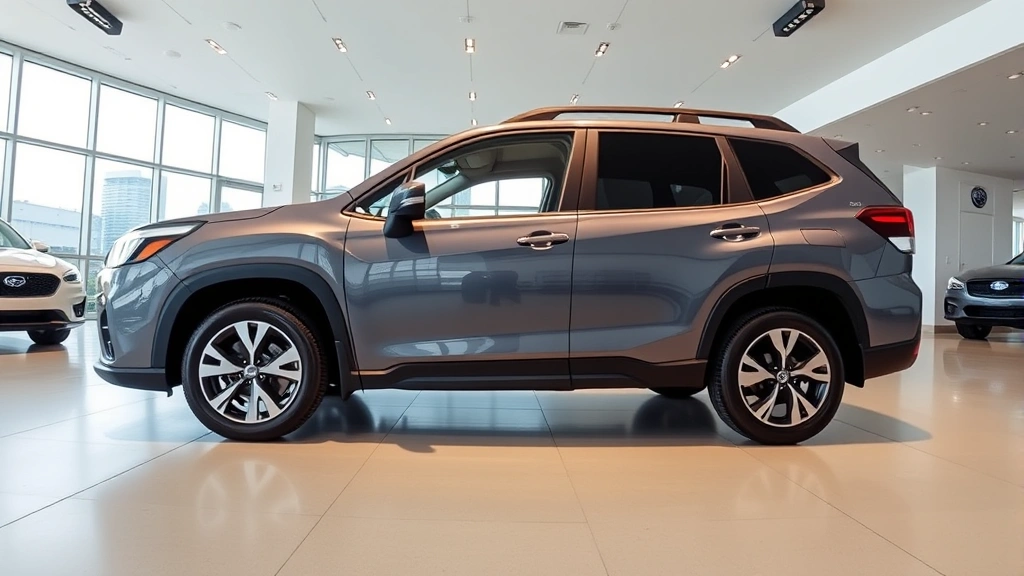
Subaru Forester for Sale? Complete Buyer’s Guide 2023
The Subaru Forester remains one of the most sought-after compact SUVs in the market, combining reliability, safety features, and practicality that appeal to families and adventure seekers alike. Whether you’re searching for a new model or considering a pre-owned option, understanding the current market landscape is essential to making an informed purchase decision. This comprehensive guide walks you through everything you need to know about buying a Subaru Forester in 2023, from pricing trends to model comparisons and negotiation strategies.
With inventory levels stabilizing after pandemic-related shortages and manufacturer incentives becoming more competitive, 2023 presents a favorable window for Forester buyers. The automotive market has shifted in ways that benefit consumers, and understanding these dynamics can help you secure the best possible deal on your next vehicle.
2023 Subaru Forester Pricing and Market Trends
The 2023 Subaru Forester pricing landscape reflects broader automotive market conditions. Base model Foresters start around $28,000 to $30,000 for new vehicles, with prices escalating based on trim level and optional features. Higher trim levels like the Limited and Touring variants can reach $38,000 to $42,000 before taxes and fees.
According to Edmunds automotive pricing data, used 2022 and 2021 Foresters typically range from $25,000 to $35,000 depending on mileage and condition. The used market has become increasingly transparent, with pricing tools available to help buyers understand fair market value in their specific regions.
Market trends indicate that consumer demand for compact SUVs remains strong. The Forester’s reputation for reliability and all-wheel drive capability positions it favorably against economic headwinds. Manufacturer incentives have become more generous as inventory stabilizes, with many dealerships offering cash rebates, low APR financing, and lease deals to attract buyers.
Regional pricing variations exist based on local market conditions. Coastal areas and regions with harsh winters typically see higher Forester prices due to increased demand for all-wheel drive vehicles. Understanding your local market dynamics can help you identify better deals and negotiate more effectively.
Trim Levels and Feature Comparison
The 2023 Subaru Forester lineup includes several distinct trim levels, each offering progressively enhanced features and amenities. Understanding these variations helps you determine which configuration aligns with your budget and lifestyle needs.
Base Model (Standard): The entry-level Forester includes essential features like a 6-speed manual or continuously variable transmission (CVT), all-wheel drive standard, and an 8-inch touchscreen infotainment system. Safety features include EyeSight Driver Assist Technology, adaptive cruise control, and pre-collision warning systems.
Premium Trim: This mid-range option adds heated front seats, a power driver’s seat, keyless entry with push-button start, and upgraded interior materials. The audio system receives an upgrade with improved speaker quality and smartphone integration.
Sport Trim: Designed for drivers seeking more dynamic performance, the Sport trim includes a turbocharged engine option, upgraded suspension tuning, and distinctive exterior styling. Aluminum roof rails and a more aggressive front grille distinguish the Sport from other trims.
Limited and Touring Trims: The premium tiers offer leather upholstery, panoramic sunroof options, heated rear seats, and advanced navigation systems with voice recognition. These models include premium audio systems, often featuring Harman Kardon speakers, and enhanced safety technology packages.
When comparing trims, consider your actual usage patterns. If you primarily drive in urban environments with occasional road trips, a Premium or Sport trim may provide sufficient features at a lower price point. Conversely, families planning frequent long-distance travel might justify the investment in Limited or Touring models for increased comfort and technology.
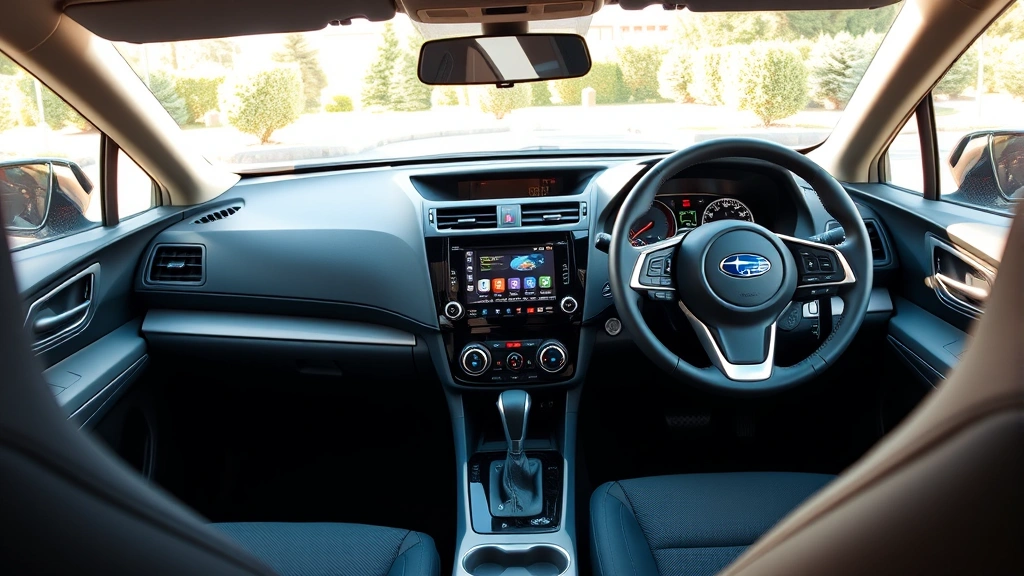
” alt=”Subaru Forester interior dashboard showing infotainment system and steering wheel in modern showroom setting”/>
New vs. Used Forester: Which Is Right for You
The decision between purchasing a new or used Subaru Forester involves weighing several factors including budget, warranty coverage, mileage tolerance, and vehicle history transparency.
Advantages of New Foresters: New vehicles come with comprehensive manufacturer warranties, typically covering 3 years or 36,000 miles for basic coverage and 5 years or 60,000 miles for powertrain protection. You’ll have the latest technology, fuel efficiency improvements, and safety features. New purchases also qualify for manufacturer incentives and financing rates that may be unavailable for used vehicles.
Advantages of Used Foresters: Used vehicles offer significant cost savings, often 20-40% less than new equivalents. Depreciation hits new cars hardest in the first three years, meaning used Foresters represent better long-term value for budget-conscious buyers. Insurance premiums are typically lower for used vehicles, and you have access to detailed service histories and accident reports through resources like CarFax.
If you’re interested in used SUVs for sale, certified pre-owned (CPO) Foresters offer a middle ground. These vehicles have been inspected, reconditioned, and come with extended warranty coverage, providing peace of mind at a lower price point than new models.
Consider your driving patterns when making this decision. If you drive fewer than 12,000 miles annually, a used Forester with 40,000-60,000 miles might provide 5-7 years of ownership before major maintenance concerns emerge. High-mileage drivers should lean toward newer vehicles with lower mileage to maximize the vehicle’s useful lifespan.
Where to Find Subaru Forester Inventory
Locating available Subaru Forester inventory requires understanding the various channels through which vehicles are sold and marketed in today’s retail environment.
Authorized Subaru Dealerships: Official dealerships remain the primary source for both new and certified pre-owned Foresters. They offer factory incentives, manufacturer warranties, and professional service departments. Most dealerships now provide online inventory searches, allowing you to browse available vehicles before visiting in person.
Online Automotive Marketplaces: Platforms like Cars.com, AutoTrader, and Craigslist aggregate inventory from multiple dealers and private sellers. These platforms allow filtering by price, mileage, color, and features, streamlining your search across broader geographic areas.
Private Sellers: Direct purchases from private owners can yield better prices but require additional diligence regarding vehicle history verification and mechanical inspection. Always request maintenance records and consider having an independent mechanic perform a pre-purchase inspection.
Auction Platforms: For budget-conscious buyers, auction sites like Copart and IAA offer vehicles at below-market prices, though these typically come without warranties and may have been salvage or flood-damaged.
Expanding your search radius increases available inventory. If you’re willing to travel 100+ miles or arrange delivery, you’ll have access to significantly more options and potentially better pricing.
Comparing the Forester to Competitor Models
Understanding how the Subaru Forester stacks up against competing compact SUVs helps you make an informed decision about whether it’s the best choice for your needs.
The RAV4 for sale represents Subaru’s primary competitor, offering similar size, capability, and pricing. The RAV4 typically achieves slightly better fuel economy and offers a hybrid option, though the Forester provides more interior space and a more engaging driving experience. The RAV4’s resale value is marginally higher, but the Forester’s EyeSight technology is arguably more advanced than Toyota’s safety systems.
The Honda CR-V is another strong alternative, offering slightly more cargo space and a more spacious rear seat. However, the CR-V lacks standard all-wheel drive on base models, and Subaru’s symmetrical all-wheel drive system provides better snow and off-road performance. The Toyota Corolla sedan offers better fuel economy but doesn’t provide the versatility of an SUV.
Mazda CX-5 buyers appreciate the CX-5’s upscale interior and responsive handling, though it commands a slight price premium over the Forester. The Jeep Cherokee appeals to buyers prioritizing off-road capability, but it lacks the Forester’s reliability reputation and all-weather performance.
When comparing models, prioritize your specific needs. If fuel economy is paramount, the RAV4 hybrid offers advantages. For best-in-class safety technology, the Forester’s EyeSight system is difficult to beat. For cargo space and interior volume, the CR-V edges ahead. Most buyers find the Forester offers the best balance of reliability, features, and value across the compact SUV segment.
Financing and Incentive Options
Securing favorable financing terms significantly impacts your total cost of ownership. Multiple avenues exist for obtaining competitive rates and manufacturer incentives on Subaru Foresters.
Manufacturer Incentives: Subaru regularly offers cash rebates, low APR financing, and lease deals that vary by season and market conditions. These incentives typically range from $1,000 to $4,000 in cash rebates, with APR rates as low as 0-2% for well-qualified buyers. Check Subaru’s official website for current offers in your region.
Dealership Financing: Authorized dealers can arrange financing through Subaru’s captive finance company or third-party lenders. Dealership financing often includes extended warranty options and gap insurance, providing additional protection beyond manufacturer coverage.
Third-Party Lenders: Banks, credit unions, and online lenders frequently offer competitive rates independent of dealership financing. Pre-approval from your bank establishes a maximum purchase price and strengthens your negotiating position.
Lease Options: For drivers who prefer new vehicles every 2-3 years without long-term ownership commitment, leasing provides lower monthly payments and comprehensive warranty coverage. Lease terms typically include 10,000-12,000 miles annually, with mileage overages charged at $0.25 per mile.
Timing your purchase strategically can enhance incentive opportunities. End-of-month, end-of-quarter, and end-of-year periods typically see more aggressive dealer incentives as salespeople work to meet quotas. New model year releases also trigger incentives on outgoing inventory.
Inspection and Test Drive Essentials
Whether purchasing new or used, thorough inspection and test driving are critical steps that prevent costly mistakes and ensure satisfaction with your purchase.
Pre-Purchase Inspection Checklist: For used Foresters, hire an independent ASE-certified mechanic to inspect the vehicle comprehensively. Key areas include checking transmission fluid condition, inspecting brake pads and rotors, verifying all electrical systems function properly, and examining the undercarriage for rust or previous accident damage. Request a detailed written report documenting findings and estimated repair costs for any issues identified.
Test Drive Protocol: Spend at least 30 minutes test driving the vehicle across varied road conditions including highways, city streets, and residential areas. Test acceleration, braking responsiveness, steering feel, and transmission smoothness. Listen for unusual noises from the engine, transmission, or suspension. Verify that all controls, buttons, and features function as expected. Test the heating and air conditioning systems at full capacity.
Vehicle History Review: Use Carfax or AutoCheck to review maintenance records, accident history, and title status. Watch for red flags including branded titles (salvage, flood, lemon law), multiple owners in short timeframes, or service records indicating major repairs. Regular maintenance intervals suggest responsible ownership and typically indicate better vehicle condition.
Documentation Verification: Confirm that the vehicle’s identification number (VIN) matches all documentation, titles, and registration. Verify that the seller has clear title authority and that no liens encumber the vehicle. Request service records, warranty documentation, and any extended coverage papers from the original owner.

” alt=”Professional mechanic inspecting vehicle undercarriage using hydraulic lift in well-lit service bay”/>
Negotiation Strategies for Best Value
Effective negotiation requires preparation, market knowledge, and strategic positioning. These tactics help you secure the best possible price on your Subaru Forester purchase.
Research Market Pricing: Before negotiating, understand fair market value using resources like Kelley Blue Book and NADA Guides. These platforms provide pricing based on vehicle condition, mileage, location, and market conditions. Knowing fair market value prevents overpaying and provides objective data during negotiations.
Get Pre-Approved Financing: Securing pre-approval from your bank or credit union before visiting dealerships strengthens your negotiating position. Dealers are more motivated to negotiate when they know you have alternative financing options. Pre-approval also prevents dealers from inflating interest rates through their financing arrangements.
Time Your Purchase Strategically: As mentioned, end-of-period timing increases dealer flexibility. Rainy weather, weekdays, and slower traffic periods also correlate with more motivated salespeople. Avoid peak buying seasons when dealer inventory is high and customer demand is strong.
Make a Reasonable Opening Offer: Start negotiations 8-12% below asking price for used vehicles. This establishes negotiating room while remaining credible. Unreasonably low offers signal you’re not a serious buyer and may end negotiations prematurely. Support your offer with market data and vehicle condition documentation.
Separate Price from Trade-In Value: Negotiate the new vehicle’s price independently from your trade-in valuation. Dealers often use trade-in valuations to obscure actual vehicle pricing. Obtain independent trade-in valuations from multiple sources to ensure fair treatment.
Focus on Total Cost of Ownership: Beyond purchase price, negotiate extended warranties, service plans, and maintenance packages. These add-ons carry high profit margins for dealers and offer negotiating opportunities. Bundling warranty coverage with price negotiations often yields better overall value.
Walk Away When Appropriate: Your willingness to leave negotiations if terms become unfavorable provides leverage. Dealers recognize that losing a sale is worse than accepting reasonable offers. Patience and alternatives create negotiating power that translates to better pricing.
FAQ
What is the average price for a 2023 Subaru Forester?
New 2023 Subaru Foresters start around $28,000-$30,000 for base models, with premium trims reaching $38,000-$42,000. Used 2022-2021 models typically range $25,000-$35,000 depending on mileage and condition. Prices vary significantly by region and current market incentives.
Is the Subaru Forester reliable for long-term ownership?
Yes, the Subaru Forester has an excellent reliability reputation. J.D. Power reliability ratings consistently rank it above-average for the compact SUV segment. With proper maintenance, Foresters regularly exceed 200,000 miles. Regular oil changes, transmission fluid checks, and brake inspections maximize longevity.
Should I buy new or used?
New vehicles offer latest technology and comprehensive warranties, while used models provide significant cost savings. If you drive fewer than 12,000 miles annually and plan to keep the vehicle 5+ years, used models offer better value. High-mileage drivers should consider new vehicles to maximize useful lifespan.
What are the best competing models to the Forester?
Primary competitors include the Toyota RAV4, Honda CR-V, and Mazda CX-5. Each offers different strengths—RAV4 offers hybrid options, CR-V provides more cargo space, and CX-5 emphasizes luxury. The Forester excels in all-wheel drive capability and safety technology through EyeSight systems.
Are there current incentives available?
Yes, Subaru regularly offers cash rebates ($1,000-$4,000), low APR financing (0-2%), and lease deals. Incentives vary by season, region, and model year. Check Subaru’s official website and contact local dealerships for current offers applicable to your purchase timing.
What mileage is acceptable for a used Forester?
Under 100,000 miles is generally considered low mileage for used vehicles. Foresters with 40,000-80,000 miles typically offer 5-7 years of remaining useful life. Higher-mileage examples (120,000+ miles) require more thorough inspection and cost less but may need repairs sooner.
How much should I negotiate off the asking price?
Start with 8-12% below asking price for used vehicles. New vehicles have less negotiating room due to manufacturer pricing, typically 3-8% below sticker. Use market data and vehicle condition documentation to support your offers.