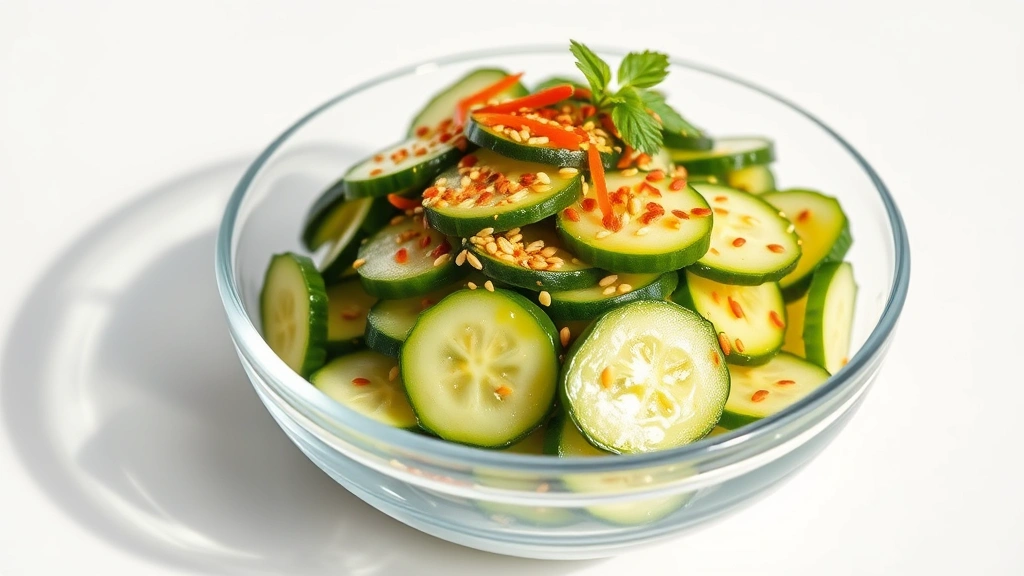
Korean Cucumber Salad Recipe: Chef’s Tips for Perfect Flavor
Korean cuisine has experienced unprecedented growth in global markets, with the fermented foods and banchan (side dishes) segment expanding at double-digit rates annually. Among these beloved accompaniments, Korean cucumber salad—known as oi-sobagi or oiji—represents a cornerstone of authentic Korean dining. This crisp, refreshing side dish combines simplicity with sophisticated flavor layering, making it accessible to home cooks while impressing even the most discerning palates.
The beauty of Korean cucumber salad lies in its versatility and minimal ingredient requirements. Whether you’re running a food-focused e-commerce business or simply exploring Korean culinary traditions, mastering this recipe opens doors to deeper cultural appreciation and potential commercial applications. According to Statista’s market research on Korean condiments, the global demand for authentic Korean side dishes has increased by 23% over the past three years, creating opportunities for both home chefs and entrepreneurs.
This comprehensive guide walks you through every step of creating restaurant-quality Korean cucumber salad, from ingredient selection through advanced flavor techniques that professional chefs employ.
Essential Ingredients for Authentic Flavor
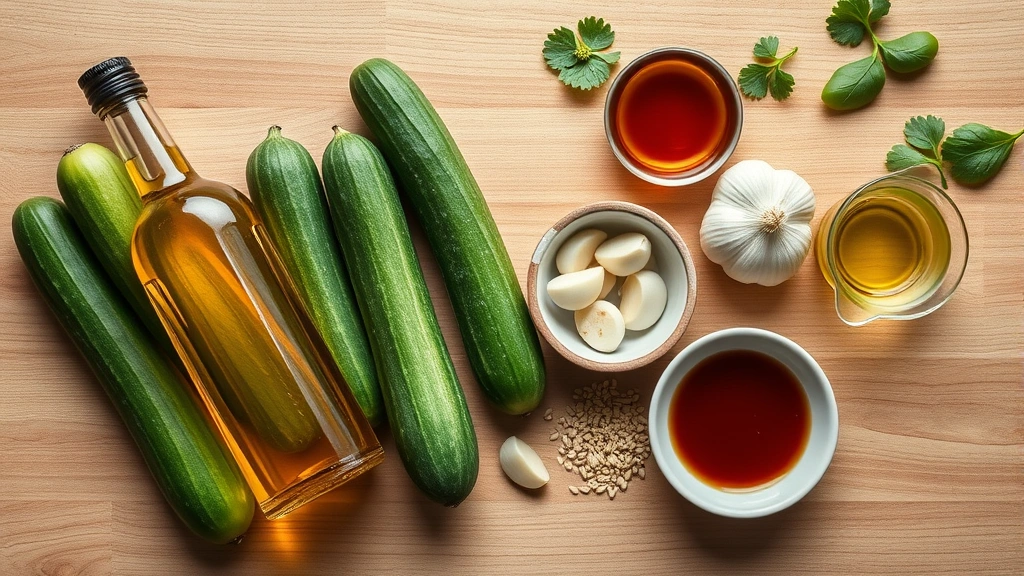
Creating authentic Korean cucumber salad requires understanding each ingredient’s role in the final composition. The foundation begins with selecting appropriate cucumbers—ideally Korean varieties like dae-jae-bae or Japanese cucumbers, which offer thinner skin, fewer seeds, and superior texture compared to standard American varieties. These cucumbers maintain crispness throughout the brining process and absorb seasonings more effectively.
The core seasoning trinity consists of gochugaru (Korean red chili flakes), sesame oil, and soy sauce. Gochugaru provides fruity heat without overwhelming bitterness—select premium grades from reputable suppliers for superior color and flavor complexity. Sesame oil acts as both flavor carrier and preservation agent, contributing nutty undertones that balance the salad’s acidic components. High-quality Korean sesame oil contains higher lignans and antioxidants than standard varieties.
Additional essential components include:
- Rice vinegar or distilled vinegar: Provides acidity without overpowering intensity
- Garlic: Fresh, minced fine to distribute evenly—aged garlic develops sweeter notes
- Salt: Kosher salt or sea salt draws moisture from cucumbers while developing osmotic flavor concentration
- Sugar: Just enough to balance heat and acidity—typically 1-2 teaspoons per batch
- Sesame seeds: Toasted varieties add textural contrast and enhance aroma
- Optional aromatics: Scallions, dried shiitake, or kombu add umami depth
According to Grand View Research’s fermented food market analysis, consumers increasingly value transparency in ingredient sourcing and traditional preparation methods, making quality ingredient selection a competitive advantage in food-focused e-commerce ventures.
Step-by-Step Preparation Method
Proper cucumber preparation determines whether your salad achieves optimal texture and flavor absorption. Begin by selecting firm cucumbers without soft spots or yellowing. Rinse thoroughly under cold running water, using a vegetable brush to remove surface debris. Pat completely dry—excess moisture dilutes seasoning intensity and promotes spoilage.
Cutting technique significantly impacts final texture. Professional chefs employ two primary methods: thin slicing (1/8-inch thickness) for quick-pickle versions consumed within days, or spear-cutting for longer preservation. For this traditional recipe, slice cucumbers diagonally at 45-degree angles, creating maximum surface area for seasoning absorption while maintaining structural integrity.
The salting process—known as osmotic dehydration—requires careful timing:
- Combine sliced cucumbers with 1-2 tablespoons kosher salt per pound of cucumber
- Toss gently, ensuring even salt distribution without bruising delicate flesh
- Place in colander over bowl; allow 30-45 minutes for moisture release
- Gently squeeze accumulated liquid without crushing cucumber pieces
- Reserve cucumber liquid for adjusting final seasoning if needed
While cucumbers rest, prepare the seasoning base. Toast sesame seeds in dry skillet over medium heat for 2-3 minutes, stirring constantly until fragrant—toasting develops deeper nutty flavors compared to raw seeds. Crush toasted seeds using mortar and pestle, creating texture variation between whole and crushed seeds.
Combine in mixing bowl: 3 tablespoons sesame oil, 2 tablespoons soy sauce, 1 tablespoon rice vinegar, 1-2 teaspoons sugar, 3-4 minced garlic cloves, 1 tablespoon gochugaru, and half the crushed sesame seeds. Mix thoroughly until gochugaru fully hydrates and disperses evenly. This base seasoning can be prepared up to 24 hours ahead, allowing flavors to meld.
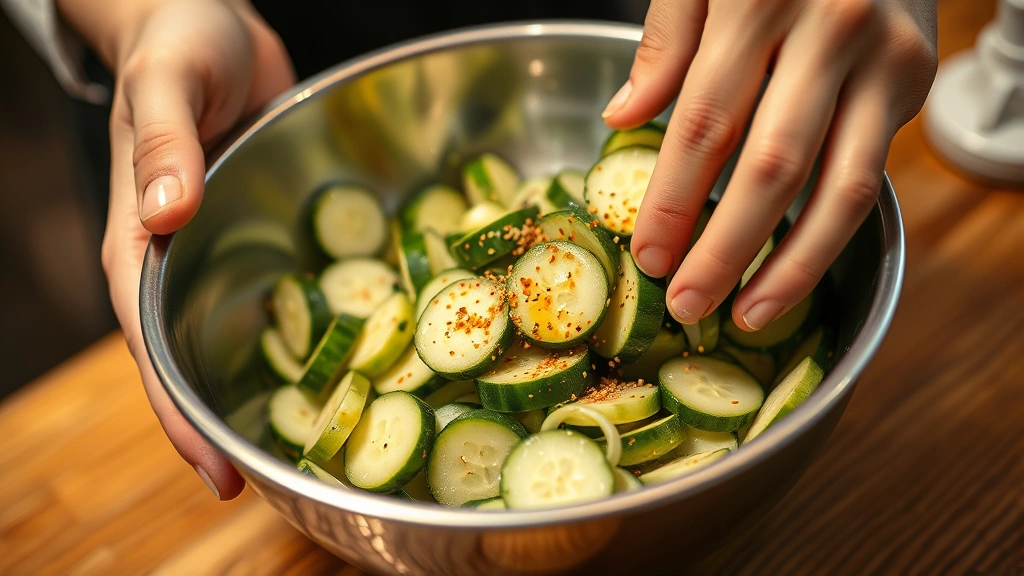
Fold prepared cucumbers into seasoning mixture with gentle motions, ensuring complete coating without breaking pieces. Taste and adjust seasoning—add more soy sauce for depth, vinegar for brightness, or sesame oil for richness. Transfer to serving vessel or storage containers, top with remaining sesame seeds and optional scallion garnish.
Chef’s Advanced Techniques
Professional chefs employ several advanced methods to elevate Korean cucumber salad beyond basic preparations. Temperature manipulation affects flavor development and texture. Briefly blanching cucumbers in boiling water for 15-20 seconds before ice-bath shock enhances color vibrancy and softens skin slightly while maintaining interior crispness—this technique proves invaluable when preparing large batches for selling digital products online like recipe courses or meal planning services.
Umami layering creates complexity that distinguishes professional preparations from standard recipes. Add kombu-infused water instead of plain water when making the seasoning base—steep 2-inch kombu piece in rice vinegar for 2 hours, then strain and use in seasoning mixture. Alternatively, incorporate 1/4 teaspoon dried shiitake powder, which adds savory depth without visible texture changes.
Acid balancing requires understanding vinegar types and their flavor profiles:
- Rice vinegar: Mild, slightly sweet—ideal for delicate flavor profiles
- Distilled vinegar: Sharp, clean—use sparingly for brightness
- Apple cider vinegar: Fruity undertones—complements gochugaru heat
- Plum vinegar (ume-zu): Subtle sweetness—creates complex flavor layers
Cold fermentation represents an advanced technique for developing probiotic benefits and enhanced preservation. After initial mixing, transfer salad to glass jar, seal, and refrigerate for 3-5 days. During this period, naturally occurring lactobacillus species proliferate, creating subtle sourness and improving digestibility. This approach connects to broader food entrepreneurship trends—if you’re considering starting an Etsy shop featuring artisanal food products, fermented Korean side dishes represent high-margin items with strong market demand.
Texture preservation techniques maintain crispness throughout storage. Separate dressing from cucumbers until serving—this prevents osmotic breakdown and maintains textural contrast. Store dressing and cucumbers in individual glass containers, combining just before consumption. For serving at events, prepare components separately and combine in batches throughout the service period.
Garnish strategy elevates visual presentation and flavor complexity. Beyond basic sesame seeds, consider: toasted nori strips for oceanic umami, crispy fried garlic chips for textural contrast, or fresh herb additions like mint or cilantro for brightness. Professional presentations often employ color contrast—reserve portion of gochugaru for final dusting, creating visual depth.
Storage and Shelf Life Optimization
Proper storage determines whether Korean cucumber salad maintains quality or deteriorates. Temperature control proves critical—maintain consistent refrigeration at 35-40°F. Temperature fluctuations encourage bacterial growth and accelerate degradation. Use dedicated shelf space away from freezer vents that create temperature variation.
Container selection impacts preservation duration. Glass containers outperform plastic due to superior oxygen barriers and absence of flavor-absorbing polymers. Use containers with tight-sealing lids, minimizing air exposure. Avoid metal containers—acidic components react with certain metals, creating metallic flavors.
Shelf life depends on preparation method and storage conditions:
- Fresh preparation (no fermentation): 3-5 days maximum
- Cold fermented version: 2-3 weeks, flavor developing over time
- Canned/processed version: 3-6 months at room temperature if properly sterilized
For extended preservation, implement water-bath canning techniques using sterilized jars and precise vinegar ratios. This approach proves valuable for those exploring B2B sales of homemade products to restaurants or specialty retailers. Maintain detailed documentation of preparation dates, ingredients, and storage conditions for food safety compliance and liability protection.
Freezing is generally not recommended for traditional preparations, as frozen-thawed cucumbers develop mushy texture. However, the seasoning base can be frozen separately for up to 3 months, allowing quick preparation of fresh batches when fresh cucumbers become available.
Variations and Creative Adaptations
While honoring traditional preparation methods, creative variations expand appeal and accommodate dietary preferences. Spicy variations increase gochugaru quantity to 2-3 tablespoons per batch, appealing to heat-seeking consumers. Add complementary hot ingredients: sriracha for modern heat, or fresh Thai chilies for fruity spiciness. Balance increased heat with additional sesame oil and slight sugar increases.
Mild adaptations reduce or eliminate gochugaru for those with heat sensitivity or younger consumers. Substitute with equal quantity of finely minced red bell pepper, providing color and slight sweetness without capsaicin heat. Increase garlic quantity slightly for flavor compensation.
Protein-enriched versions transform side dish into light main course. Add diced tofu for vegetarian protein, grilled chicken strips for substantial meals, or anchovy paste for umami intensity. These adaptations create versatility valuable for meal-planning services or meal kit businesses.
Seasonal variations incorporate available produce: summer preparations add thinly shaved zucchini or daikon radish, while winter versions include more robust aromatics like aged garlic or increased sesame oil for warming qualities.
Advanced cooks experiment with fusion approaches: adding miso paste (1 teaspoon) for deeper umami, incorporating fish sauce for Southeast Asian influences, or mixing in crispy shallots for texture variation. Document successful variations—these become signature recipes valuable for content creation on your blog and potential commercial offerings.
Commercial Applications and Scaling
Korean cucumber salad represents significant commercial opportunity within growing Korean food markets. Scaling considerations require understanding food safety regulations, ingredient sourcing, and production efficiency.
For small-batch commercial production, invest in commercial-grade equipment: vegetable slicers for consistency, commercial refrigeration for proper storage, and food-grade containers meeting FDA standards. Understand local health department regulations—most jurisdictions require commercial kitchen certification for home-based food production. Many regions offer licensed shared kitchen spaces, eliminating infrastructure barriers for startup producers.
Ingredient sourcing at scale requires establishing relationships with wholesale suppliers. Purchase Korean specialty items through established distributors like H Mart wholesale division or Korean ingredient importers. Negotiate volume discounts while maintaining quality standards—bulk purchasing reduces per-unit costs significantly while enabling competitive retail pricing.
Shelf-stable versions extend market reach beyond local refrigerated distribution. Implement proper canning protocols using tested recipes from National Center for Home Food Preservation, ensuring food safety and regulatory compliance. Shelf-stable products command premium pricing and enable online distribution through platforms like Amazon Fresh or specialty food retailers.
Packaging design significantly impacts commercial success. Transparent containers showcase product appearance while communicating freshness. Include ingredient lists, preparation instructions, and suggested serving methods. Consider eco-friendly packaging—increasingly important for conscious consumers willing to pay premium prices for sustainable options. Research indicates McKinsey’s consumer sustainability research shows 73% of consumers consider environmental impact in purchasing decisions.
Distribution strategy determines market reach. Direct-to-consumer sales through starting an Etsy shop or dedicated e-commerce site offer highest margins but require marketing investment. Wholesale distribution to Korean restaurants, specialty grocers, or meal kit services provides volume but lower per-unit margins. Hybrid approaches combining direct sales with strategic wholesale partnerships optimize revenue while building brand recognition.
Understanding headless commerce technologies enables sophisticated e-commerce operations—separating front-end customer experience from back-end inventory and fulfillment systems. This architecture allows seamless integration across multiple sales channels while maintaining unified inventory management.
Regulatory considerations include proper labeling with allergen declarations, nutritional information panels, and production facility details. Obtain necessary business licenses, food handling permits, and liability insurance. Budget for third-party lab testing validating food safety and shelf-life claims—this investment builds consumer trust and protects against liability claims.
FAQ
Can I make Korean cucumber salad without gochugaru?
Yes, though flavor profile changes significantly. Substitute with paprika for color and mild flavor, or increase garlic and sesame oil quantities for depth. Some preparations use finely minced red bell pepper or red pepper flakes, though these create different heat characteristics than authentic gochugaru.
How long does Korean cucumber salad last in the refrigerator?
Fresh preparations last 3-5 days maximum, with texture degrading after day three as osmotic breakdown softens cucumbers. Cold fermented versions maintain quality for 2-3 weeks, developing increasingly complex flavors. Always store in glass containers with tight-sealing lids to minimize air exposure and prevent flavor absorption of surrounding foods.
Is Korean cucumber salad safe for freezing?
Traditional preparations don’t freeze well due to cucumber’s high water content—thawing produces mushy texture unsuitable for serving. However, the seasoning base freezes successfully for 3 months, allowing quick preparation of fresh batches. Freeze seasoning in ice cube trays for convenient portioning.
What cucumbers work best for this recipe?
Korean and Japanese cucumber varieties provide optimal results due to thin skin, minimal seeds, and superior texture. Standard American cucumbers contain excessive water and large seeds, resulting in watery final products. Persian or Armenian cucumbers offer acceptable alternatives when Asian varieties are unavailable.
Can I prepare Korean cucumber salad ahead for events?
Yes, but employ component separation strategy. Prepare seasoning base up to 24 hours ahead, slice cucumbers 2-3 hours before service, and combine only 30 minutes before serving. This approach maintains optimal texture and flavor while enabling efficient event preparation. Store separated components in glass containers at consistent refrigeration temperature.
What are suitable side dishes to serve with Korean cucumber salad?
Korean cucumber salad pairs excellently with grilled proteins, rice bowls, and other banchan (traditional side dishes). Serve alongside kimchi, braised vegetables, seasoned spinach, or steamed egg. The salad’s refreshing crispness complements rich, heavy mains while adding nutritional balance and palate cleansing properties.
How do I adjust seasoning if my salad tastes too spicy?
Add sesame oil and sugar incrementally—sesame oil mellows heat while adding richness, while sugar balances spiciness without eliminating it completely. Alternatively, mix in additional sliced cucumbers to dilute overall spice intensity. Document adjustments for future batches, creating consistent results aligned with target flavor profiles.