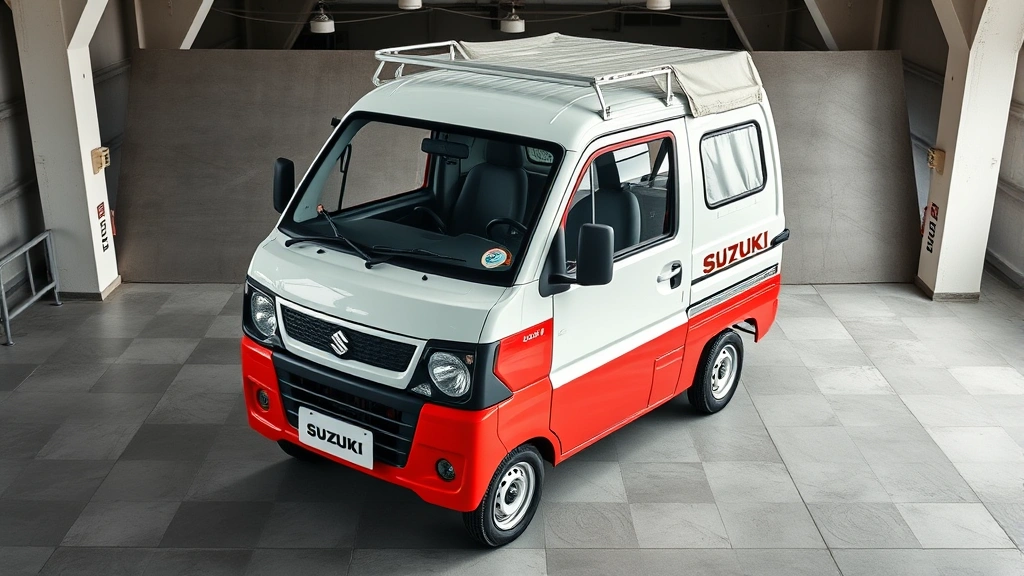
Where to Buy Kei Trucks? Complete Buyer’s Guide 2023
Kei trucks have become increasingly popular in North America over the past decade, offering compact efficiency, affordability, and unique styling that appeals to small business owners, hobbyists, and automotive enthusiasts alike. These Japanese mini trucks, originally designed for Japan’s strict vehicle regulations, pack impressive functionality into a diminutive frame that makes them ideal for urban environments, farm work, and commercial applications. Whether you’re searching for a kei truck for sale for personal use or business purposes, understanding where and how to buy one is crucial for making an informed purchase decision.
The market for kei trucks has expanded significantly, with multiple channels now available for buyers. From specialized importers to online marketplaces and auction sites, the options can feel overwhelming for first-time buyers. This comprehensive guide walks you through every avenue for purchasing a kei truck, helping you navigate pricing, legality, and quality considerations while ensuring you find the perfect vehicle for your needs.
Understanding Kei Truck Regulations and Legality
Before searching for a kei truck for sale, it’s essential to understand the regulatory landscape surrounding these vehicles in your region. In the United States, kei trucks must comply with DOT (Department of Transportation) and EPA regulations, which significantly impacts their legality and road-worthiness. The 25-year rule, established by the National Highway Traffic Safety Administration (NHTSA), allows vehicles that are 25 years or older to be imported without meeting current safety and emissions standards, making older kei trucks more accessible to American buyers.
Different states have varying regulations regarding vehicle modifications, emissions compliance, and registration requirements. Some states are more lenient with imported vehicles, while others impose strict testing and certification requirements. Before committing to a purchase, research your state’s specific regulations by contacting your local Department of Motor Vehicles or visiting NHTSA’s official website for comprehensive guidance on imported vehicle compliance.
Canada has similar but distinct regulations through Transport Canada, and Mexican regulations differ substantially. Understanding these legal frameworks prevents costly mistakes and ensures your kei truck purchase remains valid and insurable long-term. Many reputable dealers specializing in kei trucks can provide documentation proving compliance with relevant regulations, which serves as valuable protection for your investment.
Specialized Kei Truck Importers and Dealers
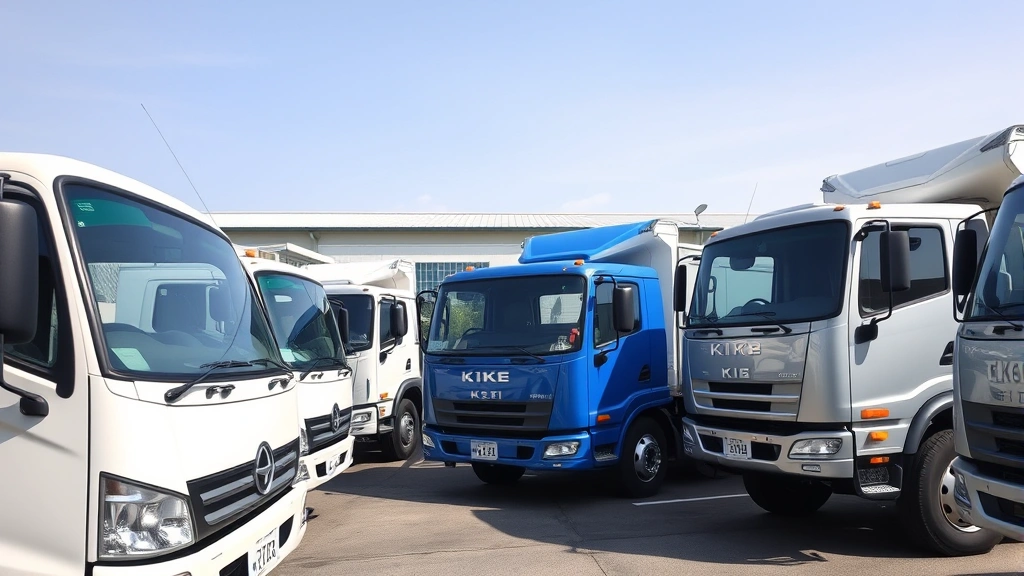
The most reliable source for purchasing a quality kei truck for sale is through specialized importers and dealers who focus exclusively on these vehicles. These businesses have established relationships with Japanese suppliers, understand regulatory requirements intimately, and often provide warranties or guarantees on their inventory. Specialized dealers typically source vehicles directly from Japanese auctions, perform comprehensive inspections, handle all import documentation, and ensure vehicles meet your region’s compliance standards before delivery.
Several reputable importers have built strong reputations in the kei truck market. Companies like Kei Trucks USA, Japan Auto Auctions, and similar specialized dealers maintain updated inventories with detailed photographs, mechanical reports, and history documentation. These dealers often provide pre-purchase inspections, warranty options, and financing assistance, making the buying process significantly more transparent and secure than purchasing through general automotive channels.
When evaluating specialized dealers, request references from previous customers, verify their business licensing and credentials, and ask for detailed vehicle history reports. Legitimate dealers welcome questions about their sourcing practices, inspection procedures, and compliance certifications. Many reputable importers maintain active social media presence and customer review platforms where you can assess their reputation and customer satisfaction levels. The investment in purchasing from established dealers typically results in better vehicle condition, legal compliance, and long-term reliability.
Online Marketplaces and Auction Platforms
Online marketplaces have revolutionized how consumers find vehicles, and kei trucks are no exception. Platforms like eBay Motors, Facebook Marketplace, Craigslist, and specialized automotive sites host thousands of kei truck listings from both dealers and private sellers. These platforms offer advantages including extensive selection, competitive pricing, and the ability to compare multiple vehicles simultaneously from your home.
eBay Motors provides buyer protection policies and seller ratings that offer some security, though you’ll need to conduct thorough due diligence before purchasing. Facebook Marketplace connects you directly with local sellers, allowing you to inspect vehicles in person and negotiate prices, though this approach requires careful verification of seller legitimacy. Specialized automotive sites focusing on imported or classic vehicles often attract knowledgeable sellers and buyers, creating communities where transaction standards are higher.
When shopping online, request comprehensive photographs from multiple angles, detailed mechanical condition reports, and service history documentation. Legitimate sellers expect these requests and provide detailed responses. Video calls or in-person inspections add significant security to online purchases. Be cautious of listings lacking detail, refusing communication, or offering prices substantially below market rates, as these often indicate potential fraud or hidden mechanical issues. Cross-referencing vehicle identification numbers (VINs) through NHTSA’s database helps verify vehicle history and authenticity.
Japanese Auto Auction Sites
Japan’s extensive used vehicle auction system represents an enormous inventory source for kei trucks at competitive prices. Direct participation in Japanese auctions requires understanding complex bidding processes, currency conversion, shipping logistics, and import regulations. However, several online platforms now facilitate access to these auctions for international buyers, effectively democratizing the purchasing process.
Platforms like Japanese Car Trade, Be Forward, and similar auction intermediaries allow you to browse Japanese auction catalogs, place bids, and arrange shipping directly to your location. These platforms handle currency conversion, documentation, and often provide inspection services ensuring vehicle condition meets expectations. Auction prices are typically lower than dealer prices since you’re purchasing directly from auction houses rather than through retail intermediaries.
Participating in Japanese auctions requires patience, research, and understanding auction-specific terminology. Auction grades indicate vehicle condition, with grade A representing excellent condition and lower grades indicating cosmetic or mechanical wear. Auction reports include photographs, mileage, accident history, and mechanical assessments. Shipping costs from Japan typically range from $1,500 to $3,500 depending on vehicle size and destination, which factors into your total purchase price. Factor in import duties, customs fees, and compliance modifications when calculating total acquisition costs.
Local Dealerships and Private Sellers
Traditional vehicle dealerships increasingly stock kei trucks as demand grows, particularly dealers specializing in imported or specialty vehicles. Local dealerships offer advantages including the ability to inspect vehicles in person, test-drive before purchasing, and access to financing options through established lenders. Many dealerships provide post-sale support including maintenance, repairs, and warranty services.
Private sellers often offer lower prices than dealerships since they eliminate middleman markups, though purchasing from private parties requires heightened caution and verification. Private sellers may lack detailed vehicle history, mechanical reports, or compliance documentation. Always request pre-purchase inspections from certified mechanics before committing to private party purchases. Verify seller identity, request proof of ownership, and ensure the title is clear before transferring funds.
Local purchasing offers significant advantages for those concerned about shipping damage, import logistics complexity, or wanting to verify vehicle condition personally. Building relationships with local mechanics familiar with kei trucks ensures ongoing maintenance and support long after purchase. Community forums and local automotive clubs often connect buyers with reputable private sellers and can provide valuable referrals and warnings about problematic sellers.
Pricing and Budget Considerations
Kei truck pricing varies dramatically based on model year, condition, mileage, market demand, and sourcing channel. Generally, expect to invest between $8,000 and $20,000 for quality used kei trucks in North American markets. Older vehicles (25+ years) typically cost $8,000-$12,000, while newer models approaching the 25-year threshold command $15,000-$25,000 or higher. Rare or specially modified trucks can exceed $30,000.
Pricing differences between sourcing channels are substantial. Direct Japanese auction purchases typically cost 20-30% less than dealer prices, though you’ll absorb shipping and import costs. Specialized importers charge moderate markups (typically 15-25%) reflecting their compliance work and customer service. General dealerships may charge premium prices (30-50% markup) since kei trucks represent specialty inventory requiring specialized knowledge.
Budget beyond the purchase price for import-related expenses including shipping ($1,500-$3,500), customs duties (varies by vehicle and location), compliance modifications (potentially $500-$2,000), and registration fees. Insurance costs for kei trucks may be higher than standard vehicles due to their specialty status and limited replacement parts availability. Maintenance costs are generally reasonable since parts sourcing from Japan is straightforward, though labor rates may be higher than for common vehicles.
Financing options for kei trucks are limited compared to mainstream vehicles. Some specialty dealers offer in-house financing or partner with lenders experienced with imported vehicles. Traditional banks and credit unions often hesitate to finance imported specialty vehicles, so exploring financing before purchasing prevents disappointment. Those purchasing through specialized dealers like those offering e-commerce platforms for vehicle sales may find integrated financing options available.
What to Inspect Before Buying
Thorough pre-purchase inspection separates wise investments from costly mistakes. For kei trucks, prioritize inspecting engine condition, transmission functionality, brake system integrity, rust and corrosion (especially critical for Japanese vehicles), electrical systems, interior condition, and alignment. Request or conduct comprehensive mechanical inspections covering compression testing, fluid analysis, and systems diagnostics.
Japanese vehicles are notoriously prone to rust, particularly in undercarriage and door jamb areas. Inspect these areas carefully with a flashlight, looking for surface rust, corrosion, or structural damage. Rust repair costs escalate rapidly, potentially exceeding vehicle value if severe. Verify all mechanical systems including heating, air conditioning, power steering, and electrical components function properly. Test drive the vehicle extensively, listening for unusual noises, vibrations, or performance anomalies.
Request maintenance records documenting service history, repairs, and parts replacements. Vehicles with comprehensive documented maintenance typically indicate careful ownership and mechanical reliability. Verify odometer accuracy by cross-referencing service records and auction reports. Check title status ensuring no liens exist, accident history is minimal, and ownership transfers cleanly. For imported vehicles, verify compliance documentation, import permits, and customs clearance paperwork.
Professional pre-purchase inspections from certified mechanics experienced with kei trucks cost $150-$300 but provide invaluable peace of mind. Reputable dealers welcome independent inspections and often facilitate mechanic access. Private sellers hesitant to allow inspections present significant red flags warranting serious caution. Don’t skip inspection steps regardless of purchase source or pricing attractiveness.
Shipping and Import Logistics
For buyers purchasing from Japan or distant locations, understanding shipping and import logistics prevents costly surprises. International vehicle shipping involves container shipping, customs documentation, port handling, and domestic delivery. Reputable shipping companies specialize in vehicle imports and handle documentation, customs clearance, and regulatory compliance.
Shipping costs depend on origin location, destination address, vehicle size, and delivery urgency. Standard container shipping from Japan to North American ports typically costs $1,500-$3,500. Port handling, customs brokerage, and domestic delivery add $500-$1,500. Total shipping and logistics typically range $2,000-$4,500 for complete door-to-door service. Expedited shipping and specialized handling increase costs substantially.
Upon arrival, vehicles require customs clearance, which involves documenting vehicle specifications, verifying compliance, and paying applicable duties and taxes. Customs brokers handle this process, typically charging $200-$500 for their services. Once cleared, vehicles require registration with your state’s DMV, which involves compliance verification, title transfer, and registration fees. Some states require vehicle inspections before registration, adding time and potential modification costs.
Reputable dealers and import companies manage these logistics transparently, providing detailed cost breakdowns before purchase. Verify that shipping companies carry appropriate insurance covering vehicle damage during transit. Request tracking information and regular updates throughout the shipping process. Upon delivery, inspect vehicles thoroughly for transport damage and document any issues immediately for insurance claims if necessary.
FAQ
Are kei trucks legal to drive in the United States?
Kei trucks manufactured 25 or more years ago can be legally imported and driven in the United States under the NHTSA 25-year rule. Newer vehicles must meet current safety and emissions standards, which is expensive and often impractical. State regulations vary, so verify your specific state’s requirements before purchasing. Some states have stricter vehicle modification and emissions testing requirements than others.
What is the average price for a kei truck for sale?
Prices typically range from $8,000 to $20,000 for quality used kei trucks in North America. Factors affecting price include model year, condition, mileage, rarity, and sourcing channel. Direct Japanese auction purchases cost less but involve shipping and import expenses. Dealer purchases cost more but include compliance assurance and customer service support.
How much does it cost to import a kei truck from Japan?
Import costs including shipping, customs clearance, duties, and compliance modifications typically range $2,500-$5,000. Shipping alone costs $1,500-$3,500 depending on origin and destination. Customs duties and taxes vary by vehicle value and your location. Budget conservatively when calculating total acquisition costs including these import expenses.
Can I finance a kei truck purchase?
Financing options are limited compared to mainstream vehicles. Some specialty dealers offer in-house financing or partner with lenders experienced with imported vehicles. Traditional banks and credit unions often hesitate financing imported specialty vehicles. Explore financing options before purchasing to understand available terms and interest rates.
What should I inspect before buying a kei truck?
Prioritize inspecting engine condition, transmission function, brake system integrity, rust and corrosion, electrical systems, interior condition, and alignment. Request maintenance records and verify odometer accuracy. Professional pre-purchase inspections from certified mechanics cost $150-$300 and provide invaluable verification of mechanical condition. Never skip inspection steps regardless of purchase source.
Where can I find kei trucks for sale online?
Specialized dealers, eBay Motors, Facebook Marketplace, Japanese auto auction platforms, and automotive specialty sites host extensive kei truck listings. Research seller ratings and reputation before purchasing. Request comprehensive photographs, mechanical reports, and detailed vehicle history. Be cautious of listings lacking detail or offering prices substantially below market rates.
What is the best source for purchasing a kei truck?
Specialized importers and dealers focusing on kei trucks offer the best combination of vehicle selection, compliance assurance, and customer support. These dealers understand regulatory requirements, source quality vehicles, and provide documentation proving compliance. Japanese auto auctions offer lowest prices but require managing import logistics independently. Choose sources matching your comfort level with import processes and budget constraints.