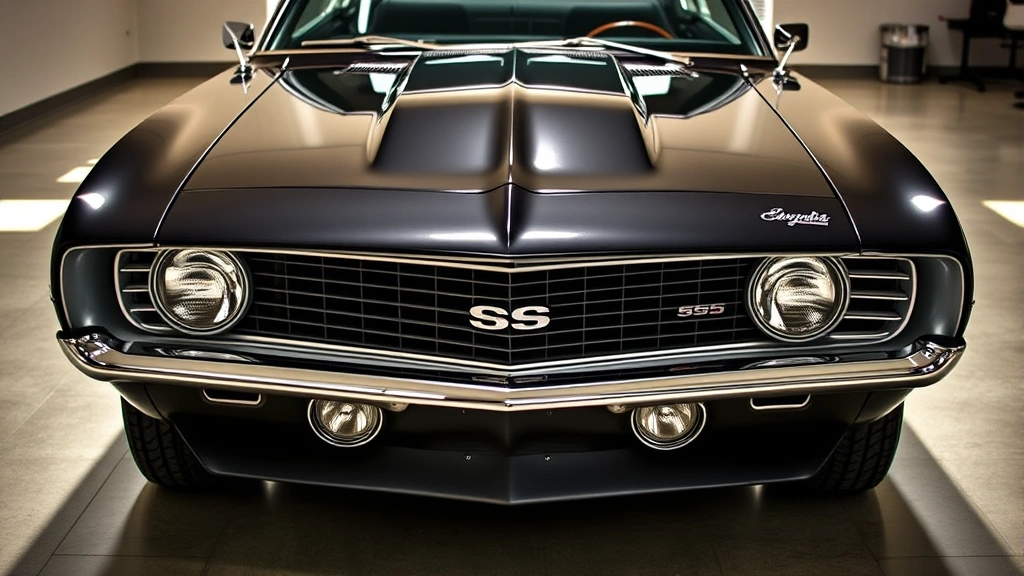
Buy a 1969 Camaro? Collector’s Insight into Classic Car Investment Strategy
The 1969 Chevrolet Camaro represents one of the most coveted collector vehicles in the American automotive market, commanding premium prices and consistent investment returns over the past two decades. Whether you’re a seasoned collector or a first-time classic car buyer, understanding the economics of acquiring a 1969 Camaro for sale requires comprehensive market analysis, authenticity verification, and strategic financial planning. This guide provides actionable insights into the collector car marketplace, pricing dynamics, and investment considerations specific to this iconic muscle car era.
The 1969 model year marked a pivotal moment in Camaro’s history, featuring redesigned styling, enhanced performance options, and the legendary 427 big-block engine that elevated its status among enthusiasts. Today’s market for these vehicles reflects both nostalgia-driven demand and legitimate investment potential, with prices ranging from $25,000 for project cars to over $500,000 for pristine, documented examples. Understanding where your potential purchase falls within this spectrum requires knowledge of market indicators, condition assessment protocols, and authentication standards that separate genuine investments from overpriced curiosities.
Current Market Overview for 1969 Camaro Purchases
The classic car market has experienced significant evolution over the past five years, with collector vehicles increasingly recognized as alternative investment assets alongside traditional equities and real estate. According to Hagerty’s Valuation Tools, the 1969 Camaro consistently ranks among the top 50 most valuable American muscle cars, with appreciation rates averaging 8-12% annually for well-maintained examples. This performance compares favorably to broader market indices, particularly when considering the tangible asset nature and enjoyment factor that distinguishes collector cars from pure financial instruments.
Market data indicates several distinct pricing tiers within the 1969 Camaro category. Project cars requiring substantial restoration typically range from $15,000 to $35,000, offering opportunities for hands-on collectors with restoration expertise. Driver-quality vehicles in good condition command $40,000 to $100,000, representing the sweet spot for most buyers seeking reliable, enjoyable classics. Concours-quality examples with complete documentation and professional restoration work reach $150,000 to $400,000, appealing primarily to serious collectors and museum acquisitions. Rare variants, such as 427 big-block models with original documentation and matching numbers, occasionally exceed $500,000 at specialized auctions.
The market dynamics for classic cars share characteristics with Ford F-150 for sale markets in terms of demand seasonality and buyer psychology, though collector vehicles operate under distinctly different valuation frameworks. Spring and early summer months typically see increased buyer activity, with prices trending upward during peak selling seasons. Geographic variation also significantly impacts availability and pricing, with West Coast and Southern markets generally offering more inventory than Northern regions where winter storage challenges reduce ownership appeal.

Key Pricing Factors That Determine Value
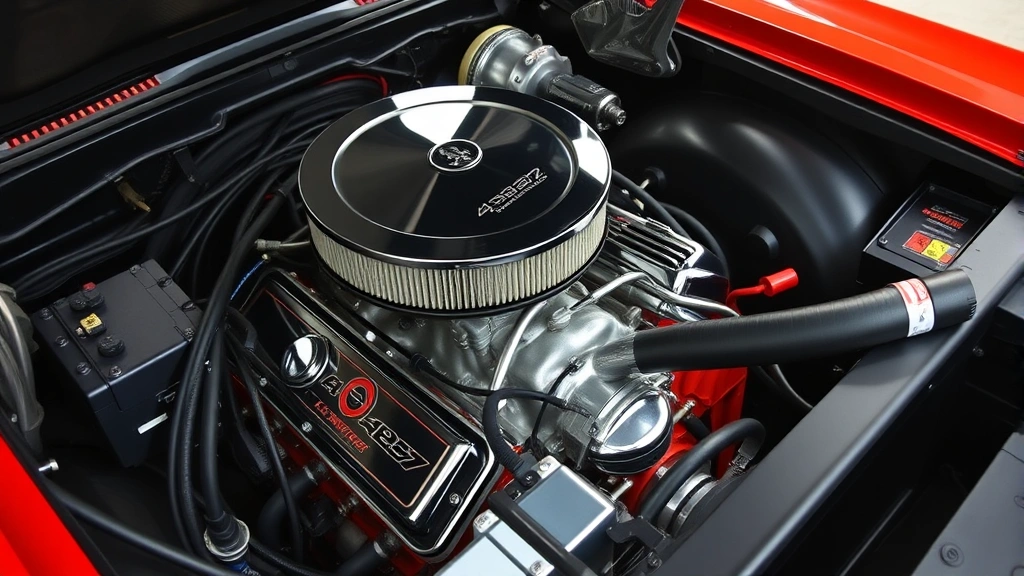
Engine specification and authenticity represent the primary value driver in 1969 Camaro pricing. Original 427 big-block models command substantial premiums over 350 cubic inch variants, with properly documented examples worth 40-60% more than comparable small-block vehicles. The specific engine code, casting numbers, and original block identification significantly influence valuation. Matching numbers—where the engine block, transmission, and frame numbers correspond to factory records—typically add 15-25% to the vehicle’s market value.
Body condition and originality determine the second major pricing component. Vehicles with original paint, unmodified body panels, and minimal rust command premium pricing, while those requiring bodywork or panel replacement experience proportional value reduction. The extent of restoration work becomes critical in valuation; professional, documented restorations typically appreciate better than amateur modifications, which can actually decrease market value despite significant investment. Mecum Auctions data demonstrates that transparent restoration documentation increases buyer confidence and final sale prices by an average of 12-18%.
Documentation and provenance significantly influence investment potential. Original factory paperwork, build sheets, warranty cards, and ownership history create a compelling narrative that collectors actively seek. Vehicles with complete documentation command 20-30% premiums over undocumented examples, even if mechanically and cosmetically identical. This reality emphasizes the importance of requesting and verifying all available documentation during the acquisition process.
Rarity and special features drive pricing for specific variants. RS (Rally Sport) models, convertibles, and vehicles with rare color combinations typically appreciate faster than base coupe models. The combination of multiple desirable features—such as an RS convertible with original 427 engine and factory documentation—creates exponentially higher valuations than the sum of individual components would suggest.
Market demand influenced by media exposure, racing heritage connections, and generational nostalgia cycles affects pricing trends. Recent decades have seen increased interest from younger collectors, broadening the buyer base and supporting sustained price appreciation. Understanding these cyclical demand patterns helps inform timing decisions when buying or selling collector vehicles.
Authentication and Documentation Requirements
Verifying authenticity represents a critical step often overlooked by inexperienced buyers. The classic car market attracts both legitimate sellers and those willing to misrepresent vehicle history or specifications. Professional authentication services, available through organizations like the National Camaro Club, provide comprehensive verification of casting numbers, VIN decoding, and historical research that protects buyers from costly mistakes.
Factory documentation validation begins with VIN interpretation. The 17-character vehicle identification number contains specific codes indicating engine type, transmission, model variant, and manufacturing location. Cross-referencing VIN data with factory build sheets and original window stickers reveals whether the vehicle’s specifications match its current configuration. This process, while technical, proves essential for confirming matching numbers and original specifications that drive investment value.
Build sheets and original documentation provide primary evidence of factory specifications. These documents, when authentic and complete, establish baseline expectations for original equipment, paint color, interior materials, and optional features. Reproduction documentation exists in the marketplace, requiring careful scrutiny to distinguish genuine factory papers from modern reprints. Authentication experts examine paper quality, printing methods, and historical accuracy to confirm legitimacy.
Ownership history research adds credibility to vehicle provenance. Previous owner records, registration documentation, and historical photos establish a clear timeline of custody and care. Vehicles with single or few owners typically command higher valuations than those with numerous ownership changes. Insurance records and maintenance documentation further reinforce authenticity claims and demonstrate consistent care throughout the vehicle’s history.
Comprehensive Condition Assessment Guide
Professional pre-purchase inspections by independent mechanics specializing in classic vehicles provide objective condition evaluations that inform purchase decisions. These inspections extend beyond typical modern vehicle assessments, examining restoration quality, originality verification, and potential hidden issues common to vehicles of this age. A comprehensive inspection typically costs $300-600 but protects against significantly larger losses from undetected mechanical or structural problems.
Paint and body evaluation requires careful examination under various lighting conditions. Original paint, though potentially oxidized or faded, typically holds greater value than quality repaints. Professionals assess paint thickness using specialized gauges to detect bodywork history, identify mismatched panels, and evaluate overall cosmetic condition. Rust assessment proves particularly critical, as hidden corrosion beneath panels or in structural areas can necessitate expensive restoration work.
Mechanical inspection encompasses engine, transmission, cooling, electrical, and brake systems. Original components in running condition typically retain higher value than rebuilt or replaced systems, though modern upgrades for reliability and safety sometimes justify value adjustments. Compression testing, fluid analysis, and operational verification establish baseline mechanical condition. Understanding the distinction between original equipment and modern replacements helps assess both authenticity and actual usability.
Interior assessment evaluates upholstery, dashboard condition, carpeting, and trim components. Original interiors command substantial premiums, particularly when in excellent condition with no modifications. Reproduction materials, while necessary for restoration projects, typically reduce investment value compared to original equipment. The availability and cost of replacement interior components varies significantly, affecting overall restoration economics for project vehicles.
Investment Analysis Framework for Collector Cars
Evaluating a 1969 Camaro as a financial investment requires analytical frameworks similar to those applied in high ticket sales contexts, emphasizing due diligence, market analysis, and strategic positioning. The collector car market operates differently from traditional equity investments, requiring consideration of liquidity, holding costs, and alternative outcome scenarios.
Total cost of ownership includes acquisition price, insurance, storage, maintenance, and appreciation potential. Annual insurance for collector vehicles typically ranges from $300-800, depending on valuation and coverage options. Climate-controlled storage costs $100-300 monthly in most markets, though some collectors utilize home garage space. Maintenance and restoration work, though infrequent for driver-quality vehicles, can exceed $2,000-5,000 annually if needed. These carrying costs must be incorporated into investment return calculations to accurately assess financial performance.
Appreciation modeling should incorporate historical performance data, current market conditions, and forward-looking demand indicators. Conservative models assume 5-8% annual appreciation for well-maintained, documented examples, while optimistic scenarios project 10-15% for rare variants in strong market conditions. Stress-testing these models against economic downturns and market corrections provides realistic return expectations across various scenarios.
Liquidity considerations distinguish collector vehicles from liquid financial assets. Selling a 1969 Camaro typically requires 3-6 months for proper marketing, private sales, or auction placement. This extended liquidity horizon necessitates longer holding periods and reduces suitability for short-term investment strategies. However, the tangible nature and consistent demand for these vehicles generally support eventual sale at reasonable valuations.
Tax implications warrant consultation with accounting professionals familiar with collector car investments. Capital gains treatment, depreciation considerations, and state-specific regulations affect net investment returns. Some states impose sales taxes on collector vehicle purchases, while others offer exemptions or reduced rates. Understanding these implications before acquisition optimizes overall investment economics.
Strategic Acquisition Approach and Negotiation Tactics
Sourcing 1969 Camaro inventory requires engagement with multiple channels including private sellers, dealer networks, auction houses, and online marketplaces. Each channel presents distinct advantages and risks. Private sales often provide better pricing and detailed vehicle history but require more extensive due diligence. Dealer inventory typically includes pre-purchase inspections and warranty provisions but commands higher pricing. Auction purchases offer excitement and potentially competitive pricing but provide limited inspection opportunities and require rapid decision-making.
Establishing realistic purchase parameters before beginning your search prevents emotionally-driven overpayment. Determine maximum acceptable price points for various condition categories, prioritize must-have features versus nice-to-have options, and establish walk-away thresholds. This discipline prevents the common collector car buyer mistake of exceeding budget for marginally superior vehicles.
Negotiation strategies should emphasize documented condition issues as leverage for price reduction. Professional inspection reports identifying needed work provide concrete justification for lower offers. Sellers often expect negotiation, particularly in private sales, where 10-15% price reductions from initial asking prices represent typical outcomes. However, documentation quality and rarity sometimes limit negotiation opportunity, particularly for exceptional examples.
Financing considerations impact acquisition economics significantly. Collector car loans, available through specialized lenders and some traditional banks, typically carry higher interest rates (6-12%) than conventional auto loans but require lower down payments than cash purchases. The opportunity cost of deploying capital in collector vehicles versus alternative investments should inform financing decisions. Some buyers finance purchases to preserve liquidity and maintain investment flexibility.
Purchase agreements should explicitly define condition representations, included documentation, mechanical warranty provisions (if any), and contingencies for inspection completion. Professional purchase agreements, available through collector car clubs or attorneys specializing in automotive transactions, protect both parties and clarify expectations regarding vehicle condition and authenticity claims.
Frequently Asked Questions About 1969 Camaro Investment
What is the average price for a 1969 Camaro in today’s market?
Prices vary significantly based on condition and specifications. Driver-quality examples typically range from $40,000-$100,000, while project cars start around $15,000. Concours-quality restored vehicles command $150,000-$400,000. Rare variants with original 427 engines and complete documentation can exceed $500,000. Consulting recent auction results and classified listings provides current market reference points.
How do I verify that a 1969 Camaro has matching numbers?
Matching numbers verification requires decoding the VIN, examining engine block casting numbers, and comparing these against factory build sheets or documentation. Professional authentication services specialize in this process and provide comprehensive reports. The National Camaro Club offers resources for members conducting this verification independently.
Should I purchase a project car or a restored vehicle?
This decision depends on your expertise, available time, and investment objectives. Project cars offer lower entry prices and customization opportunities but require significant restoration investment and technical knowledge. Restored vehicles provide immediate usability and established value but command premium pricing. First-time buyers typically benefit from purchasing already-restored, driver-quality examples.
What restoration work impacts value most significantly?
Mechanical restoration work, particularly engine rebuilding or transmission overhaul, typically returns 60-80% of costs in increased vehicle value. Cosmetic restoration, including paint and interior work, returns 50-70%. Frame-off restorations, while impressive, often consume costs exceeding the vehicle’s final value. Focus restoration efforts on mechanical reliability and cosmetic presentation rather than pursuing concours-level perfection unless targeting museum-quality vehicles.
How should I store a 1969 Camaro to preserve value?
Climate-controlled storage protects against rust, paint deterioration, and interior damage. Maintain proper tire pressure and battery charge during extended storage periods. Use fuel stabilizer and change oil before long-term storage to prevent internal corrosion. Cover the vehicle with breathable fabric covers that prevent moisture accumulation. Starting and driving the vehicle periodically maintains mechanical systems and identifies developing issues.
What insurance considerations apply to collector vehicle ownership?
Collector car insurance differs from standard auto policies, typically offering agreed-value coverage rather than actual cash value. These policies require lower annual mileage limits (usually 2,500-5,000 miles) but provide superior protection and premium rates. Maintain detailed documentation of vehicle value, condition, and restoration work to support insurance claims if needed.
Are 1969 Camaros appreciating faster than other classic vehicles?
1969 Camaros appreciate at rates competitive with other desirable muscle cars but lag some rarer collectibles. Historical appreciation rates of 8-12% annually compare favorably to broader market indices. However, specific variants, such as RS convertibles with original big-block engines, appreciate faster than base models. Market trends favor vehicles with documented history and originality over modified examples.
What role does paint color play in 1969 Camaro valuation?
Paint color significantly influences value, with certain colors commanding substantial premiums. Hugger Orange, Fathom Green, and other distinctive colors attract strong collector interest and support higher valuations. Conversely, common colors like black or white typically command lower prices. Original paint in authentic colors adds particular value, while repaints in non-original colors may reduce value compared to original specifications.
The decision to purchase a 1969 Camaro requires balancing emotional appeal against financial discipline and investment analysis. These iconic vehicles offer genuine enjoyment, tangible ownership satisfaction, and reasonable investment potential when properly evaluated. By understanding market dynamics, verifying authenticity, assessing condition professionally, and applying strategic acquisition approaches, buyers position themselves to make sound decisions that align with both personal satisfaction and financial objectives. The collector car market continues evolving, but the fundamental principles of thorough due diligence, documented authenticity, and realistic valuation remain constant regardless of market conditions or trends.
Whether you’re purchasing your first collector vehicle or adding to an established collection, the frameworks and insights provided throughout this guide support informed decision-making. Engage with specialist communities, consult professional inspectors, verify documentation meticulously, and approach acquisition decisions with analytical rigor. These practices transform the 1969 Camaro purchase from an emotionally-driven indulgence into a strategic investment that provides both immediate enjoyment and long-term value appreciation. The marketplace for these vehicles remains robust, buyer interest continues growing, and the iconic status of the 1969 model year ensures continued relevance among collectors and enthusiasts for generations to come.